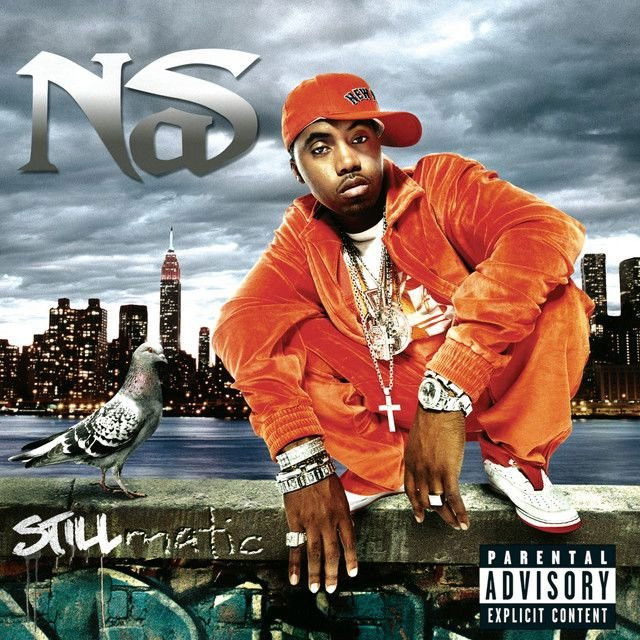
How Nas Turns Time Inside Out on Rewind
Nas built "Rewind" around a simple but brilliant trick: they tell a violent street story backward. That idea is the key to the meaning of Rewind Nas. Instead of moving from cause to effect, the song begins after a shooting and travels in reverse until it reaches the phone message that set everything in motion.
"Rewind" - Nas
Pull up a chair hon' and put it in the air son
Dog, whatever they call you, god, just listen
Loading lyrics...
Unable to load lyrics
We're unable to display the lyrics at this time. Please try again later.
On paper, that could sound like a gimmick. In practice, it becomes a sharp lesson in fate, memory, and storytelling. "Rewind" appeared on Stillmatic, released in 2001, an album widely seen as a major comeback for Nas during a crucial point in their career. Facts about the album and release are well documented by sources such as Columbia Records and AllMusic.
The Big Idea Hidden in Reverse
At the center of the song is a question: what happens when a listener already knows the ending? Nas opens by announcing the concept with story backwards
. That line does more than explain the format. It tells listeners to stop hearing events as random and start hearing them as part of a chain.
The backward movement makes every action feel unavoidable. A dead body becomes a living person again. A fired weapon becomes a weapon not yet used. By undoing each moment, Nas shows how violence often grows from everyday choices, calls, habits, and pride.
Interpretation: The song is not only clever; it is tragic. Reversing the crime does not erase the mentality that caused it. It just lets listeners watch destiny being rebuilt piece by piece.
Watch the official Rewind
music video
A Crime Scene Played Like Film
One reason the song works so well is its cinematic detail. Nas describes physical actions in reverse, making the scene feel visual and immediate. A key image is The bullet goes back
, which instantly flips the rules of rap storytelling.
That image is followed by other reversed actions: smoke returns to the blunt, a woman gets dressed instead of undressed, and a van ride moves backward toward the origin point. The effect is almost like watching a VHS tape spool back, which Nas directly nods to with like a VCR
.
The story, in normal order
If listeners mentally flip the song back around, the plot is straightforward:
- A voicemail says the target has been found.
- Nas gets ready and heads out with others.
- They smoke, drive, and look for the man.
- A confrontation happens.
- Shots are fired.
- The victim dies.
By telling it backward, Nas makes the familiar feel fresh. More important, they expose how a murder can begin long before the trigger is pulled.
Why the Backward Structure Matters
The meaning of Rewind Nas becomes stronger because the structure mirrors regret. Many people replay painful events in their heads, wishing they could undo them. This song turns that feeling into form.
Instead of saying, "I wish I could take it back," Nas actually makes the world move backward. The victim returns to life. The gunshot un-happens. The final image is not death but the voicemail that started the path.
the story begun
with a message about a man
theygotta kill
This small ending is devastating because it points to the true origin: not the gun, but the decision. The call carries peer pressure, revenge, and code-of-the-street thinking. Once that mindset enters, the rest follows.
Sound Design That Sells the Trick
Production matters here. "Rewind" was produced by Rick Rubin, whose work on Stillmatic helped give the album a lean, hard-edged feel, as noted by album credits and AllMusic. The beat is not overloaded. It leaves room for Nas's voice and for the listener's imagination.
That stripped-down approach is important. A busy instrumental could have distracted from the concept. Instead, the track feels tense and controlled, which lets every rewound action land clearly.
Nas's delivery also does subtle work. They rap with steady confidence, never over-explaining the concept. That calm voice makes impossible events sound natural. The style says: accept the rules of this world, and follow closely.
Artist Context Makes It Hit Harder
Nas had already built a reputation as one of rap's best storytellers long before "Rewind." Songs across their catalog showed a gift for scene-setting, character, and street realism. On Stillmatic, that skill became part of a larger statement: they were still an elite writer with ideas others were not attempting.
In that context, "Rewind" feels like proof of mastery. It is technical without being cold. It shows control of rhyme, narrative, and pacing all at once.
Interpretation: The song can also be heard as a response to competition. In an era full of debate about lyrical greatness, Nas uses structure itself as a flex. They are not just telling a story better than others; they are telling it in a way that seems almost impossible to pull off.
Themes Beneath the Cleverness
The song's central themes include:
- inevitability and consequence
- violence as a cycle
- memory and replay
- bravado hiding tragedy
- storytelling as power
The backward form also changes the listener's emotional response. A normal crime narrative can build excitement toward the shooting. "Rewind" does the opposite. It starts with the damage already done, then peels back the layers. That makes the story feel sadder and more reflective.
Even the domestic and party details matter. The drinking, sex, smoke, and phone call are not random. They show how ordinary moments sit right next to deadly choices.
Why "Rewind" Still Stands Out
Many rap songs tell crime stories. Very few change time itself to reveal meaning. That is why "Rewind" still gets discussed as one of Nas's most inventive tracks. Its technique is memorable, but its emotional point is even stronger: once violence starts, people often wish they could reverse more than one moment.
So the meaning of Rewind Nas is not just that life can be replayed. It is that replaying life reveals where the real mistake began.
Final Take on Nas's Reverse Masterpiece
"Rewind" is about more than clever writing. It turns a street shooting into a meditation on cause, consequence, and the false hope of undoing what has already happened.
That is why the song lasts. Listeners remember the reverse gimmick first, but they stay for the deeper truth underneath it.
Disclaimer: This article offers interpretation based on the lyrics, recording context, and public credits. Meanings can vary from listener to listener.







