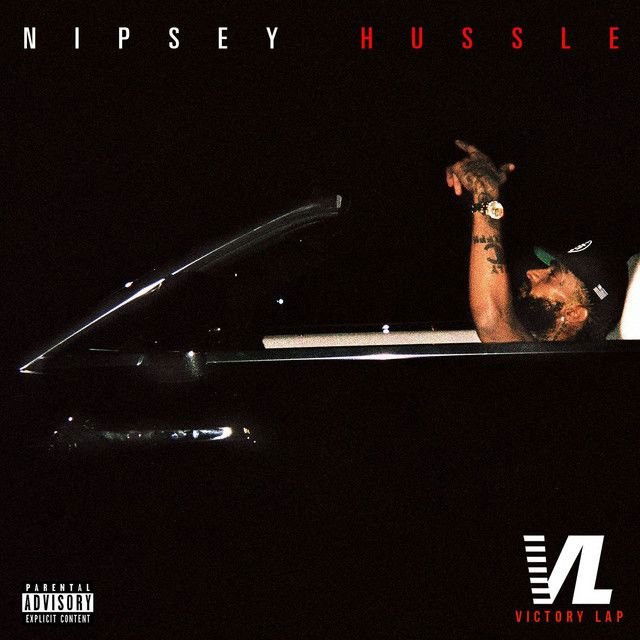
What ‘Rap Niggas’ Says About Nipsey Hussle
A Mission Statement in One Hook
The meaning of Rap Niggas Nipsey Hussle starts with separation. This is a song about drawing a hard line between Nipsey and the rap figures he saw as fake, dependent, or disconnected from real-life stakes. From the first seconds, they frame the track as a blunt statement of identity, not a confession or a moral lesson.
"Rap Niggas" - Nipsey Hussle
Hussle man a shooter that's a fact, nigga
Thirty-two extendos in my MAC, nigga
Loading lyrics...
Unable to load lyrics
We're unable to display the lyrics at this time. Please try again later.
The repeated hook centers on the phrase I ain't nothing like you
. That idea matters more than any one detail in the verses. They use cars, clothes, money, weapons, and business talk to build one message: Nipsey is claiming authenticity, independence, and power at the same time.
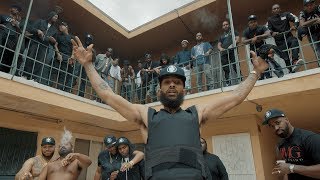
Watch the official Rap Niggas
music video
More Than Flexing: The Core Meaning
On the surface, the song sounds like pure boasting. It is full of luxury details, threats, and status markers. But underneath that, the track works as a manifesto about self-definition.
Interpretation: Nipsey is not just saying he has more than other rappers. They are saying he operates by a different code. When he mentions wealth, it is often tied to control, ownership, or survival. A key line points to this directly with own all the rights
. That short phrase shifts the song from ordinary rap braggadocio into a statement about business independence.
That fits Nipsey Hussle’s larger career story. They became widely known not only as a rapper, but as an entrepreneur who emphasized ownership, direct-to-fan strategy, and community investment. Coverage of their career often highlighted that mindset, including how they approached music and business through the Marathon brand and later ventures in South Los Angeles.
The World of the Song: Street Reality and Luxury Success
One reason the song hits so hard is that it keeps moving between two worlds. In one bar, there is designer spending; in the next, there are warnings about violence and betrayal. That contrast is the point.
Nipsey presents success as something won from danger, not separate from it. The verses move through expensive cars, travel, taxes, legal trouble, and street politics so fast that the listener hears a life built under pressure. The phrase Beat that case
is one example. It is brief, but it suggests survival in a legal system that is always close by.
Another revealing moment is the streets talk
. In plain terms, Nipsey is describing a world where reputation travels, loyalty is tested, and information can become a threat. The song’s aggression is not random; it comes from a worldview where image and credibility can affect safety, money, and standing.
We the No Limit of the West
Percy Miller at his best
That short passage is especially important because it places Nipsey in a lineage. By invoking Master P, they connect themselves to a model of West Coast hustle that mixed music, business, and self-made branding.
How the Lines Connect to Bigger Themes
Ownership over fame
The song’s strongest theme is ownership. In rap, boasting about money is common. Nipsey goes further by stressing control over the product itself. That makes the song feel less like empty flexing and more like a statement against artists who chase visibility without leverage.
Authenticity over performance
The title and chorus attack “rap” personas they see as artificial. When Nipsey says that's a fact
, they are trying to turn every claim into proof of realness. Whether a listener takes every line literally or not, the song’s voice depends on certainty.
Survival over comfort
Even the luxury images do not sound relaxed. Fancy cars and travel are presented beside danger, retaliation, and distrust. Interpretation: the song suggests success does not erase the street mindset; it travels with them.
Why the Production Matters
The production supports that cold, confrontational message. The beat is minimal, heavy, and repetitive, giving the hook room to land like a chant. There is no warm, melodic release. Instead, the instrumental leaves space for Nipsey’s voice to sound forceful and unbothered.
That matters for the meaning of Rap Niggas Nipsey Hussle because the track is built like a warning. The drums feel rigid. The low end adds weight. The repetition of the chorus turns the song into a slogan, almost like branding through intimidation.
Their delivery also does key interpretive work. Nipsey raps with control rather than panic. They do not sound like someone trying to prove something in real time. They sound like someone announcing terms that are already settled.
Artist Context Sharpens the Song
Nipsey Hussle, born Ermias Asghedom, built a reputation as an independent-minded Los Angeles rapper before their Grammy-nominated album Victory Lap. That broader history matters here because this song captures a worldview they carried throughout their career: ownership, neighborhood loyalty, and disciplined ambition.
References to business accounts, taxes, and rights are not random details. They line up with the public image Nipsey later became famous for. Interviews and profiles often described their focus on entrepreneurship as central, not secondary, to the music.
So while the song includes violent and confrontational language, its most lasting idea may be economic self-rule. The threats get attention, but the ownership talk gives the record its backbone.
Final Reading: What the Song Leaves Behind
In the end, “Rap Niggas” is less about insulting other rappers than it is about building a code. Nipsey presents a self-portrait made from hustle, danger, discipline, and control. The luxury details show success, but the business details show why that success matters.
Interpretation: the song argues that real status comes from being untouchable on multiple levels—financially, professionally, and personally. That is why the chorus keeps returning to difference. Nipsey is not just saying they are better. They are saying they are built differently.
Disclaimer: This interpretation is based on the lyrics, artist context, and the song’s sound. As with any song, listeners may hear different meanings in the same lines.







