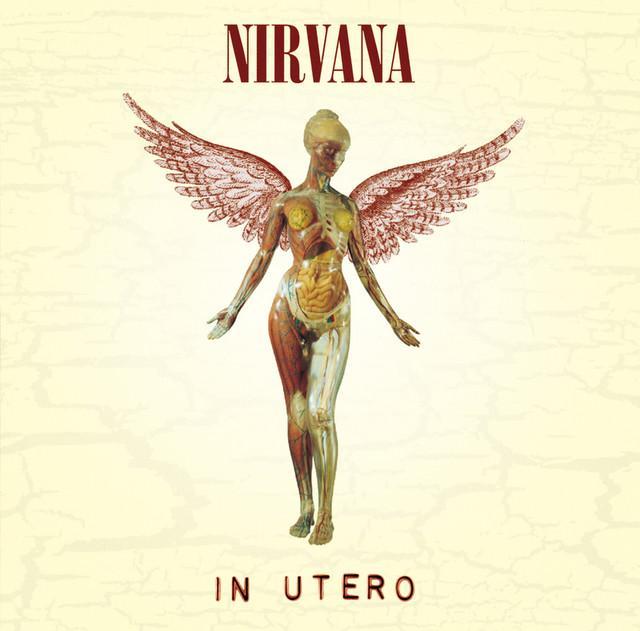
Heart-Shaped Box by Nirvana
The meaning of Heart-Shaped Box Nirvana still pulls listeners in because the song feels both intimate and grotesque. It sounds like a love song that has gone rotten. Instead of romance, it gives images of dependence, illness, punishment, and desire all tangled together.
"Heart-Shaped Box" - Nirvana
I've been locked inside your heart-shaped box for weeks
I've been drawn into your magnet tar pit trap
Loading lyrics...
Unable to load lyrics
We're unable to display the lyrics at this time. Please try again later.
Released as the lead single from In Utero in 1993, the track was written by Kurt Cobain and became one of Nirvana's most discussed songs. Factually, it appears on In Utero, produced by Steve Albini, with later mixing work that shaped the final single version. Those details are well documented in album histories and band references.
What the song seems to say
At its core, the song presents a speaker who feels captured by another person's emotional gravity. Early lines suggest weakness and submission, then quickly turn into images of enclosure and entrapment. When they say they have been locked inside
a heart-shaped space, the feeling is less romantic than claustrophobic.
Interpretation: The title object works like a symbol for a relationship that looks sweet from the outside but feels imprisoning from within. A heart usually signals affection. A box signals containment. Put together, the image becomes a neat summary of love turning into control.
The next set of images makes that pull even stronger. The phrase magnet tar pit trap
suggests attraction that cannot be escaped. A magnet draws someone in; a tar pit keeps them there. That combination is why the song feels so powerful: it describes wanting the very thing that causes pain.

Watch the official Heart-Shaped Box
music video
Why the chorus bites so hard
The chorus is simpler than the verses, which makes it hit harder. The repeated complaint sounds like someone who is exhausted, bitter, and still unable to leave. When the speaker says Forever in debt
to another person's advice, the line can sound sarcastic rather than grateful.
Interpretation: This may point to a relationship shaped by guilt, criticism, or emotional dependence. The debt is not financial. It feels moral and psychological, as if the speaker has been made to feel permanently obligated.
That is one reason the song stays memorable. The verses are strange and dreamlike, but the chorus gives listeners a plain emotional center: resentment mixed with attachment.
The shocking images are the point
Much of the song's meaning comes from its body imagery. There are references to flowers, wounds, birth, sickness, and decay. Those details are not there just to shock. They turn emotional distress into something physical and hard to ignore.
One of the most discussed lines includes eat your cancer
. Paraphrased, it sounds like the speaker wants to remove another person's suffering by taking it into themselves. That idea is loving, disturbing, and self-destructive all at once.
Another phrase, umbilical noose
, merges care and danger in a single image. An umbilical cord suggests connection, nourishment, and dependence. A noose suggests threat and suffocation. The song keeps pairing those opposites, which is why it feels so uneasy.
Artist context matters here
Kurt Cobain often wrote in fragments, using vivid images more than straight storytelling. He gave different comments about his songs over time, and listeners have long debated whether this one reflects romance, maternal imagery, bodily anxiety, or some mix of all three.
What can be said carefully is that Cobain's writing often turned private discomfort into surreal language. That approach fits In Utero as a whole, an album known for rawer sound and harsher emotional textures than Nevermind. So even when the exact subject stays blurry, the emotional design feels clear: attraction and revulsion happening at the same time.
How the sound carries the meaning
The music helps explain the song as much as the words do. The verses feel tense and restrained, with a quieter arrangement that sounds boxed in. Then the chorus bursts open with heavier guitars and a more forceful vocal, creating a lurch between vulnerability and attack.
That soft-loud dynamic was a Nirvana trademark, but here it serves the lyric especially well. The speaker sounds trapped in the verses, then overwhelmed in the chorus. The melody is catchy, but the guitar tone stays dirty and uneasy, keeping the song from sounding comforting.
There is also a dragging quality to the riff that reinforces the idea of emotional weight. Rather than racing forward, the song seems to pull itself along, as if every feeling is heavy.
Two strong ways to read it
Interpretation 1: A toxic relationship song. This is the most common reading. The speaker is drawn to someone who offers intimacy and damage in equal measure. The heart-shaped box becomes a symbol of a beautiful prison.
Interpretation 2: A song about dependence itself. The relationship may be romantic, but the deeper subject could be the cycle of needing what hurts. In this reading, the bizarre medical and birth images describe how attachment can feel both life-giving and dangerous.
Both readings work because the song never settles into one simple story. Its power comes from keeping love, disgust, need, and anger in the same emotional space.
Why it still lands today
The meaning of Heart-Shaped Box Nirvana lasts because the song refuses to clean up messy feelings. It does not present love as pure, and it does not present pain as easy to escape. Instead, it shows how people can feel trapped by what they crave.
That tension is what makes the song feel alive decades later. It is catchy enough to pull listeners in, but strange enough to keep them thinking.
Disclaimer: This interpretation separates documented facts from informed reading. Because Cobain's lyrics are layered and ambiguous, no single explanation should be treated as the only final meaning.








