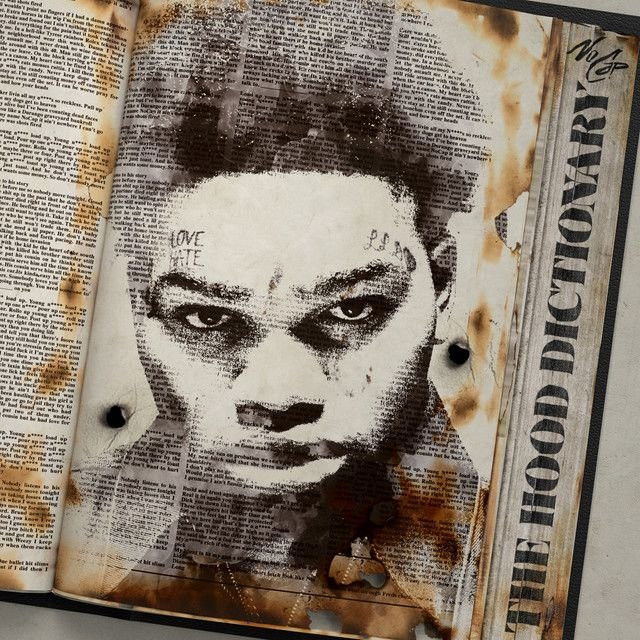
Same Thing by NoCap: Pain That Success Can't Fix
The meaning of Same Thing NoCap centers on a hard truth: money can change their status, but it cannot erase trauma, danger, or the code they still live by. The song moves like a victory lap on the surface, yet underneath it is full of grief, suspicion, and survival instinct.
"Same Thing" - NoCap
Was taking losses that we couldn't afford
Tryna hold me back when I was moving forward
Loading lyrics...
Unable to load lyrics
We're unable to display the lyrics at this time. Please try again later.
NoCap has built a reputation for blending melody with street detail and confession, a style noted in coverage of their Alabama rise by outlets like XXL and The FADER. In "Same Thing," that mix is especially sharp. They boast, they mourn, and they warn people not to confuse rap success with safety.
The Core Idea Behind the Record
At its heart, the song says that external success has not changed the internal reality. The hook keeps returning to motion and pressure. When they say moving forward
, they frame life as a push through losses, not a clean escape from them.
The title phrase matters because it rejects the fantasy that fame creates a brand-new person. They now have jewelry, status, and touring money, but they still feel tied to the same neighborhood rules, the same enemies, and the same emotional scars. That is why the flexes never sound purely celebratory.
Interpretation: The song is less about enjoying wealth than proving that survival itself has become part of their identity.

Watch the official Same Thing
music video
Grief Sits Under the Bragging
One of the song's most revealing turns comes when NoCap mentions friends who were shot. They do not stay in a detached storyteller mode. Instead, they admit the hurt will never heal
, which shifts the song from swagger into open grief.
That line changes how the rest of the track lands. The threats, paranoia, and refusal to cooperate with authorities are not just posture. They are presented as responses to a world where death has already come close.
Some say I changedchanged for the betternever heal
That short run captures the song's emotional split. They know success has transformed their life, but they also insist that pain still shapes how they think and move.
Money, Fashion, and the Limits of Escape
Like many rap songs, "Same Thing" uses luxury details as markers of achievement. Tom Ford, Rolex, expensive clothes, and stacks of cash all signal upward movement. The listener can hear that they are no longer stuck in pure lack.
But NoCap keeps undercutting those symbols. A new watch means they have no time for someone. A costly vest still does not make them feel safe. Even spending freely sounds less like peace and more like armor.
This is what makes the meaning of Same Thing NoCap more complex than a standard come-up anthem. The material gains are real, yet they never solve the deeper problem. Grief, danger, and distrust keep following them.
Loyalty, Silence, and Street Code
Another major theme is loyalty. NoCap presents themselves as someone who stayed solid under pressure, especially when facing police or legal trouble. When they say I ain't say a name
, they are claiming silence as proof of character.
That connects directly to the title. The "same thing" is not just violence or retaliation. It also means holding onto the same rules about allegiance, family, and reputation, even after entering the music industry.
There is tension here too. They want closeness and trust in relationships, but they also admit that rebuilding trust is difficult. The song suggests that street survival teaches habits that can protect a person while also making intimacy harder.
A Voice Split Between Love and Threat
One reason the track feels alive is its sudden emotional switching. In one moment, they talk about physical desire or romance. In the next, they are back to weapons, enemies, and revenge. That fast pivot is not sloppy writing; it reflects a life where tenderness and danger sit side by side.
Interpretation: The love lines are not there to soften the song. They show how hard it is for NoCap to stay emotionally open when the rest of their world rewards caution. Even affection is filtered through doubt.
How the Sound Carries the Meaning
The production details for this specific song are not confirmed in the material provided, so it is safest to focus on the audible feel rather than assign exact credits. The beat is dark, spacious, and steady, giving NoCap room to slide between rapping and melodic phrasing.
That sonic space matters. Because the instrumental is not overcrowded, listeners hear every shift in tone. Boasts land cold, grief lines linger, and threats feel deliberate rather than chaotic. The result is a track that sounds emotionally numb and intensely alert at the same time.
This matches NoCap's broader style, which has often been described as melodic but emotionally heavy in profiles such as Pitchfork and Billboard. "Same Thing" fits that pattern well.
Why the Hook Matters So Much
The chorus is simple, but that is exactly why it works. It keeps returning to progress while denying transformation. They are richer and more visible, yet still on the same thing
.
That phrase can mean at least three things:
- the same street mindset
- the same loyalty code
- the same cycle of pain and retaliation
Because the phrase is broad, it gives the song its emotional weight. It lets success and stagnation exist in the same sentence.
Final Reading: Progress Without Peace
The best way to read "Same Thing" is as a song about advancement without relief. NoCap has moved up financially, but mentally and emotionally they are still fighting old battles. That is why the record feels proud, wounded, and dangerous all at once.
For listeners searching for the meaning of Same Thing NoCap, the key is not choosing between flexing and pain. The song insists on both. Their success is real, but so is the damage that came before it.
Disclaimer: This interpretation is based on the lyrics provided, publicly available artist context, and the recording itself. As with any song, meaning can remain partly subjective unless the artist gives a direct explanation.









