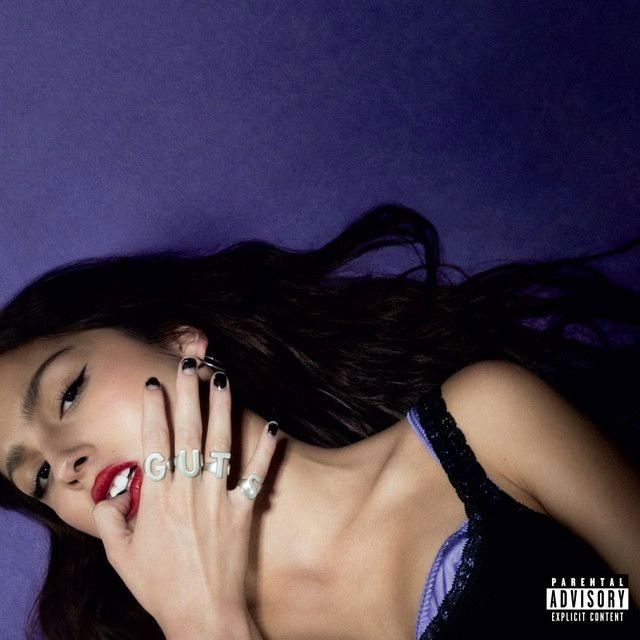
Olivia Rodrigo’s ‘bad idea right?’ Is Temptation with a Wink
They know it’s messy, and that’s the point. If you’ve ever stared at your phone and talked yourself into a decision you swore you wouldn’t make, you already grasp the meaning of bad idea right? Olivia Rodrigo. The song turns a post-breakup relapse into a fast, funny inner monologue more interested in truth than perfection.
"bad idea right?" - Olivia Rodrigo
Haven't heard from you in a couple of months
But I'm out right now and I'm all fucked up
Loading lyrics...
Unable to load lyrics
We're unable to display the lyrics at this time. Please try again later.
The Push-Pull at the Heart of the Hook
At its core, the song is about trying—and failing—to let reason win. The chorus question bad idea, right?
is both a warning and an invitation. Each time the narrator asks, they edge closer to doing it anyway.
Interpretation: the hook frames desire as a debate they know they’ll lose. The final pivot—fuck it, it’s fine
—captures the exact moment when impulse overrides self-control.
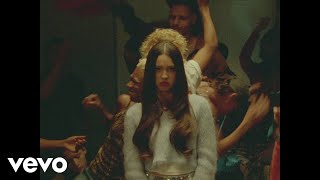
Watch the official bad idea right?
music video
A Night Out, a Text, and a Spiral
What actually happens is simple, but the pacing makes it feel chaotic.
- They’re out with friends when the ex calls and drops an address. The room spins;
my brain goes, "ah"
hints at sensory overload. - They talk themselves in circles:
I should probably, probably not
. The line admits they know better. - They get in the car, lie to friends, and show up anyway. Attraction wins.
Interpretation: the structure reads like real-time narration—every rational thought arrives, then gets drowned out by want.
Jokes, Lies, and Self-Awareness
Rodrigo threads the story with humor that doubles as self-defense. She tells her crew, I only see him as a friend
, then immediately undercuts it as the “biggest lie.” She even mocks her own excuse with the cartoonish image of having tripped and fell into his bed
.
This is not moralizing; it’s honesty about how people justify what they want. The comedy isn’t flippant—it’s a pressure valve for guilt. That wink is why the song feels relatable, not reckless.
How the Sound Sells the Story
Musically, the track is a tight, 3:04 burst of rock-leaning pop. Co-written and produced by Dan Nigro, it blends pop-punk and pop rock with alt-pop edges: crunchy guitars, elastic bass, and a rhythm that feels like feet running down stairs. Rodrigo sing-speaks the verses, then stacks chant-style hooks, echoing the social noise of a party and the chatter in her head.
The mix gets busier as the decision approaches—layered shouts, background “blah-blah” textures, and a mini-crescendo that mirrors rising adrenaline. That talk-sung delivery also lets her land punchlines with deadpan timing, making the song’s jokes hit as hard as its hooks.
Context: A Louder, Funnier Pivot on Guts
Released August 11, 2023 as the second single from Guts, the song arrived as a deliberate change of pace from the dramatic lead single, “Vampire.” It leans into the “sarcastic side” of Rodrigo’s writing and her love of guitar-driven pop. The Petra Collins–directed video plays like a B-movie night out: house party, rain-soaked rides, a flaming final tableau—campy, stylish, and on theme.
The track connected. It reached No. 7 on the Billboard Hot 100 and became a high-energy opener on her 2024–25 Guts World Tour. Critics praised the humor, the character-forward vocal, and the blend of 2000s pop-punk spirit with a modern pop punch.
What the Chorus Really Says
The repeated question bad idea, right?
is not seeking permission. It’s a ritual. Interpretation: saying it out loud makes the lapse feel manageable—almost like getting a friend to co-sign your choice, even if that friend is your own conscience.
Symbols and Motifs That Matter
- The phone buzz and shared address: modern temptation delivered on demand.
- The lie to friends: the social cost of the decision hiding in plain sight.
- Noise in the head:
my brain goes, "ah"
signals how emotion can overwhelm clarity. - The deadpan punchline:
tripped and fell into his bed
turns guilt into slapstick.
Alternate Ways to Hear It
Interpretation 1: It’s a comedy of self-sabotage. The narrator knows this will hurt tomorrow and chooses it anyway, using humor to soften the blow.
Interpretation 2: It’s about agency. Even “bad decisions” can feel empowering when you own them—the shift from I should probably, probably not
to fuck it, it’s fine
reads like claiming the mess as their own.
What Sticks After the Laughs
The meaning of bad idea right? Olivia Rodrigo lands in the tension between wisdom and want. The song doesn’t ask listeners to approve—it just shows the truth of a night when feelings talk louder than advice.
Disclaimer: This analysis reflects one interpretation based on publicly available facts and the lyrics; listeners may reasonably hear it differently.








