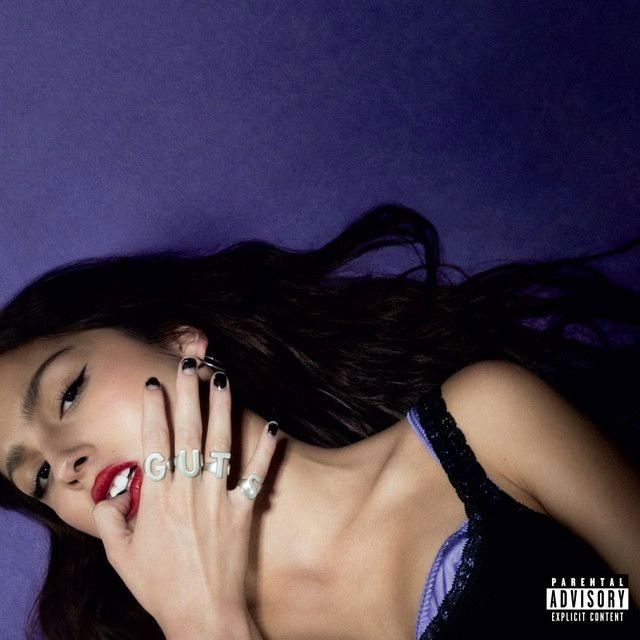
vampire by Olivia Rodrigo
Olivia Rodrigo’s “vampire” turns a messy breakup into a gothic fable about power and exploitation. For readers searching the meaning of vampire Olivia Rodrigo, this guide breaks down the metaphor, the story it tells, and how the sound heightens the sting.
"vampire" - Olivia Rodrigo
How's the castle built off people you pretend to care about?
Just what you wanted
Loading lyrics...
Unable to load lyrics
We're unable to display the lyrics at this time. Please try again later.
A Monster Metaphor With a Human Face
At its core, “vampire” is about manipulation. The narrator addresses someone who glamorized harm, selling six months of pain as paradise, then thriving off the damage. The vampire image captures a partner who charms, isolates, and drains—emotion, attention, even status.
Lines like Bleeding me dry
and sold me for parts
frame the relationship as extraction, not love. The vampire isn’t supernatural; it’s a person whose affection hides a hunger for clout and control. Interpretation: the song calls out how romance can mask ambition, especially in scenes where fame and access are social currency.
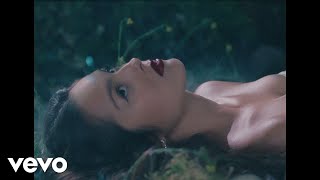
Watch the official vampire
music video
Who’s Speaking—and Who’s Being Bitten
The narrator speaks in first person to the former partner, flipping between shame and clarity. They admit flaws, then re-center the real harm. With You only come out at night
, they paint a figure who appears when it benefits them and vanishes when it doesn’t.
A key clue sits in girls your age know better
. Interpretation: the line hints at a power gap—age, status, or both—making it easier for the manipulator to target someone newer to the scene. The song becomes a letter of recognition: I see the pattern now.
The Story, Beat by Beat
- The partner builds a shiny image—a
castle built off people
—and invites the narrator inside. - Gaslighting follows. Friends warn the narrator; the partner smears them as “crazy.”
- The spell works for a while. The narrator confuses intensity for love.
- Disillusion arrives: the partner’s lies line up; the high feels staged.
- Finally, rage breaks the trance. Naming the vampire is the first act of self-protection.
I've made some real big mistakes But you make the worst one look fine
The brief confession above resets the power dynamic: accountability without self-erasure.
What the Chorus Really Says
The chorus reframes every vivid verse detail as a single truth: this wasn’t love; it was consumption. Interpretation: by labeling the harm, the narrator moves from self-blame to judgment. Naming the pattern is how they stop it.
Symbols That Bite: Night, Teeth, and Parts
- Night:
You only come out at night
equals secrecy and opportunism. Predators thrive off dark corners—socially and emotionally. - Teeth: Bites stand in for the many small ways a manipulator drains a partner—money, credibility, time.
- Body-as-commodity:
sold me for parts
turns the narrator into inventory, suggesting the partner used their stories and connections as currency. - Castle and diamonds: The glitter hides rot. It’s a metaphor for status built on other people’s labor and pain.
How the Sound Sharpens the Stakes
Co-written by Olivia Rodrigo and Daniel Nigro, and produced by Nigro, the track starts as a stark piano ballad and expands into pounding drums, surging guitars, and stacked vocals. That dynamic arc mirrors the narrative: quiet disbelief grows into fury and, finally, clarity.
The tempo stays measured, letting syllables land like accusations, then the mix explodes as the chorus returns. Interpretation: the arrangement simulates waking up from a spell—first a whisper of doubt, then undeniable noise.
Power, Fame, and the Industry Shadow
Some lines suggest the relationship overlaps with career dynamics. The partner seems to chase rooms, parties, and proximity to fame. Interpretation: “vampire” doubles as a critique of clout culture, where validation becomes a resource to hoard.
At the same time, the song avoids naming names. That restraint keeps the story archetypal. Many listeners can map their own “vampire”—a boss, an ex, a friend—onto the narrative.
Alternate Angles Worth Considering
- Industry allegory: The vampire represents a music-business archetype who exploits young talent under the guise of mentorship.
- Age-gap warning: The
girls your age know better
detail hints at experience being the shield; the less experienced partner becomes the target. Both readings coexist, strengthening the song’s punch.
Why It Resonated So Fast
“vampire” landed as a statement of growth: more theatrical, more controlled, and sharper in its writing. The build-to-detonation structure makes the hook feel inevitable, and the imagery is both cinematic and brutally plain. It’s a pop song that vents, documents, and refuses to forget.
The Takeaway
For anyone asking about the meaning of vampire Olivia Rodrigo: it’s a survival song. The narrator stops romanticizing harm, names the pattern, and chooses self-respect over spectacle. The fangs are metaphorical, but the scars are real.
Disclaimer: Song interpretations are subjective. This article reflects one reading based on lyrics, credits, and public context, not definitive authorial intent.
Sources
- https://www.billboard.com/music/chart-beat/olivia-rodrigo-vampire-hot-100-number-one-1235381188/
- https://www.rollingstone.com/music/music-news/olivia-rodrigo-new-single-vampire-1234775260/
- https://variety.com/2023/music/news/olivia-rodrigo-vampire-single-new-album-1235652853/
- https://genius.com/Olivia-rodrigo-vampire-lyrics









