Why "Grow Up" by Olly Murs Still Stings
The meaning of Grow Up Olly Murs comes down to one sharp idea: they are calling out someone who has let pride, insecurity, and attention-seeking ruin a once-close bond. It sounds catchy on the surface, but underneath the hook is a frustrated conversation about emotional maturity.
"Grow Up" - Olly Murs
What the hell happened with you and me?
'Cause, oh, ain't no lovin' no more
Loading lyrics...
Unable to load lyrics
We're unable to display the lyrics at this time. Please try again later.
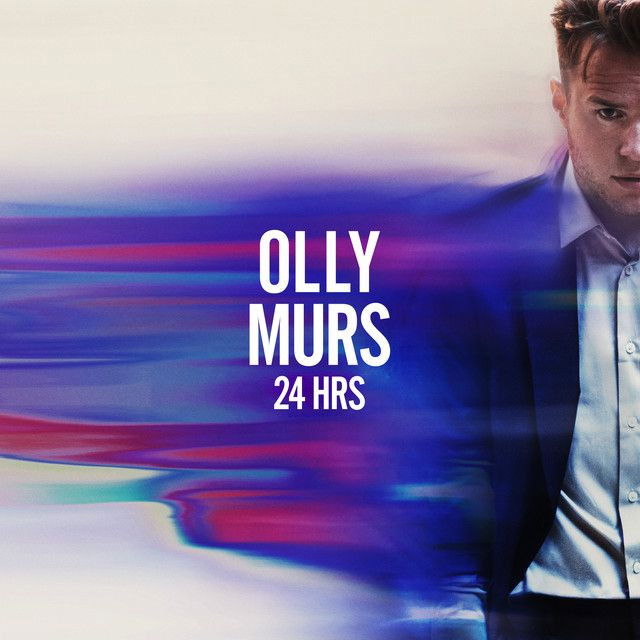
Released on 24 HRS in 2016, the song sits in Olly Murs' polished pop world while drawing from a more personal breakup era. According to Songfacts, Murs said the writing started with a specific person in mind, then widened into a song about anyone who needed to “grow up.” That makes the track feel personal and general at the same time.
The Central Message Beneath the Pop Shine
At its core, the song is about distance after conflict. The speaker looks back at a relationship that used to feel warm, then compares that past with the cold present. They do not describe a quiet drifting apart. Instead, they describe a break caused by ego, harsh words, and one person making everything revolve around themselves.
Short lines like you gotta grow up
and being immature
make the message plain. The song does not hide behind vague poetry. It is direct, almost conversational, which fits Murs' pop style.
Still, the track is not only an attack. The verses also suggest regret and a wish to repair things someday. That mix matters. They are angry, but not fully closed off.

Watch the official Grow Up
music video
Who They Are Singing To
The song addresses a “you” who seems obsessed with image and reaction. Early on, the speaker suggests that this person is more focused on appearances than connection. When the lyric points to someone being closer to the mirror than to the relationship, it paints a clear picture of vanity and self-absorption without needing a long explanation.
Another key phrase is all about you
. In context, it means the problem is not just one argument. The deeper issue is a pattern: the other person turns every moment into a performance.
Interpretation: This can describe an ex-partner, but it can also fit a former friend. That wider reading matches Murs' own comments that the idea expanded beyond one specific relationship.
How the Story Unfolds Line by Line
The song moves in a simple emotional timeline:
- They remember the relationship and ask what went wrong.
- They blame the split on insecurity, showiness, and hurtful words.
- They admit the damage is serious enough that the two no longer speak.
- They still leave a small door open for future peace.
That structure gives the song its tension. The verses explain the wound, while the chorus delivers the verdict. A phrase like we don't talk
lands hard because it is so plain. There is no drama in the wording; the drama is in what that silence means.
Why the Chorus Hits So Hard
The chorus is catchy, but it is also the song's strongest emotional argument. It says the other person acts loudly because they feel small inside. The line cause you insecure
turns the song from surface-level blame into a basic psychological reading.
That matters because it changes the tone. The speaker is not only angry at rude behavior. They think they understand where it comes from. The showing off, the offense, the constant need to be heard: all of it points back to insecurity.
There is also a clever twist in the radio line. The speaker imagines the other person hearing the song and playing it anyway, almost unable to resist attention even when the song criticizes them. That is witty, but also cruel in a very pop-song way.
Sound, Style, and Why the Message Goes Down Easy
According to Songfacts, “Grow Up” is a guitar-led pop song, and that production choice is important. The bright rhythm and chant-like hook keep the track moving with radio energy. It feels upbeat enough to sing along with, even though the lyrics are tense.
That contrast is part of the song's effect. If the arrangement were slower or sadder, the track might sound wounded. Instead, the crisp beat and repeated hook make it sound confident, almost teasing. The production turns private frustration into public pop.
The writers credited in the provided song data are Camille Purcell, Steve Robson, Wayne Hector, and Oliver Murs. That team helps explain the balance here: sharp hooks, clean structure, and lyrics that are easy to grasp on a first listen.
Artist Context Changes the Meaning
Murs' 2015 breakup with Francesca Thomas reportedly inspired much of 24 HRS, as noted by Songfacts. That context makes many listeners hear “Grow Up” as post-breakup fallout.
But Murs also told the BBC, as quoted by Songfacts, that he was “not too proud to try” to make peace, while still insisting the other person needed to mature. That comment is useful because it matches the song exactly: blame mixed with a small offer of reconciliation.
Interpretation: The song's real strength is that it does not fully choose between closure and repair. It sits in the awkward middle, where many real arguments live.
The Lasting Takeaway
The meaning of Grow Up Olly Murs is not complicated, but it is effective. They turn a broken bond into a blunt message about ego, insecurity, and the work of becoming emotionally adult.
That is why the song still lands. It is catchy enough for radio, but specific enough to remind listeners of someone they once cared about and finally had to step away from.
Disclaimer: This interpretation is based on the lyrics, publicly available song context, and credited background information. Meaning can remain open to different listeners.









