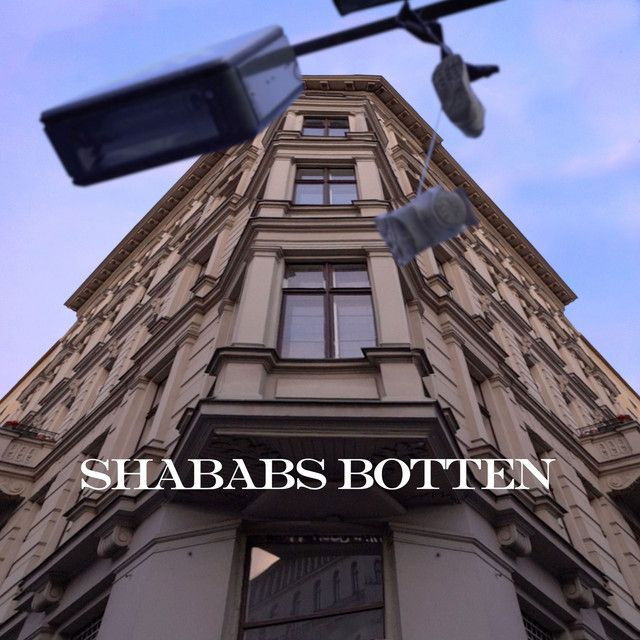
Shababs botten by Pashanim
The meaning of Shababs botten Pashanim comes from how casually it presents a high-risk, high-style world. Rather than telling a full story with a clear lesson, the song builds a street-level collage: fashion labels, drugs, cars, local Berlin references, and quick encounters. The result is a track that feels both cool and uneasy.
"Shababs botten" - Pashanim
Ey, Pasha, ey, ja, ey (YungGlizzy)
Shababs botten, grüne Augen, braune Locken
Loading lyrics...
Unable to load lyrics
We're unable to display the lyrics at this time. Please try again later.
Pashanim is part of a newer Berlin rap wave known for understated delivery and sharp local detail. In that context, this song is less about one dramatic event and more about a daily environment. They present that environment with blunt confidence, which is why the track can sound glamorous on first listen and hollow on a second.
A Hook That Feels Like a Snapshot
The chorus is the key to understanding the song. It repeats images like Shababs botten
, grüne Augen
, and braune Locken
alongside sneakers and shopping. Paraphrased, the hook turns people and objects into fast visual markers: who is around, what they wear, and how money moves.
Interpretation: this repetition matters because it makes the scene feel routine. Nothing in the hook sounds shocked or emotional. Instead, the world of the song runs on habit. People buy, carry, move, and pose. That flat tone suggests a lifestyle so normalized that even risky behavior feels ordinary.

Watch the official Shababs botten
music video
Berlin Street Rap Without a Tourist Filter
A major part of the meaning of Shababs botten Pashanim is place. The lyrics mention Berlin and specific local references like Mehringdamm. They also move between German, Turkish, and street slang, which reflects the multicultural reality of many Berlin neighborhoods.
That matters because the song does not explain itself for outsiders. They drop details and expect the listener to keep up. This creates authenticity, but it also adds emotional distance. The narrator does not pause to justify anything; they simply report what is there.
Flexing, But in a Cold Voice
On the surface, the song is full of status symbols. There is designer imagery, product references, and the sense of always having supply, cash, or access. Phrases like Prada Çanta
and no face, no case
point to a world built on image and caution at once.
That mix is important. Luxury is never separated from danger. Even shopping is linked with hidden goods and half-crates. The song does not split legal life from illegal life; it shows them blending together. That makes the flex feel different from pop-rap bragging. Here, style is part of survival and reputation.
The emotional cost under the cool
One small but telling moment is when the narrator forgets a girl’s name and shrugs it off. Paraphrased, that line shows detachment. Human contact feels brief and disposable.
Interpretation: this is one of the song’s quietest clues. Beneath the confidence, there is numbness. People become passing faces, just like brands or neighborhoods. The song’s emotional center may be its lack of emotion.
The Verse as a Moving Street Scene
The verse works like a camera moving through a neighborhood. It passes cars, drugs, customers, food, family-coded slang, and weapons. Instead of building to a single climax, it stacks details until the listener feels the pace of that life.
A useful way to read it is in four beats:
- The song opens with a social scene defined by appearance and movement.
- It shifts into trade and intoxication, where goods and people circulate.
- It names Berlin and migration-linked identity markers, grounding the track in a specific community.
- It closes with danger still present, suggesting that violence sits close to everyday routine.
This structure makes the song feel circular. The chorus returns, and the cycle continues.
Sound Design and Why It Matters
Even without long lyrical explanation, the production helps carry meaning. The beat is minimal, airy, and hypnotic. That gives the vocals room to sound calm, almost emotionally blank.
That calmness changes how the lyrics land. If the beat were louder or more aggressive, the song might feel openly threatening. Instead, the music creates a floating mood. They sound comfortable inside the chaos, which may be the most unsettling part.
The producer tags in the intro also place the track inside a modern rap ecosystem where sound branding matters. The beat supports the song’s central contradiction: sleek on the outside, risky underneath.
Tn's rocken
halbe Kiste
wenn wir shoppen
In a short burst, the song ties style, inventory, and spending together. Paraphrased, even ordinary consumer behavior is framed through a hustler mindset.
Two Strong Ways to Read the Song
Reading one: a street anthem
The most direct reading is that the song documents confidence, local pride, and access. In this view, Pashanim presents a coded but exciting portrait of youth culture shaped by Berlin, fashion, and hustle.
Reading two: a portrait of alienation
Another reading sees the song as emotionally empty on purpose. The repeated images, forgotten names, and matter-of-fact mentions of drugs and weapons suggest a life where risk has become background noise. In that version, the song is less celebration than exposure.
Both readings can be true at once. That tension is part of why the track lasts.
Why the Song Still Sticks
The meaning of Shababs botten Pashanim lies in its compression. It says a lot with a few hard images and a looped hook. They turn Berlin street life into something memorable not by overexplaining it, but by making it feel vivid, coded, and emotionally distant.
For U.S. listeners, the exact slang may need decoding, but the larger themes are familiar: status, danger, identity, and the blur between performance and reality. That is why the song travels beyond its local setting.
Disclaimer: This interpretation is based on the lyrics, performance, and cultural context available. Like most rap songs, it can support more than one reading, and some meaning remains open to listener perspective.







