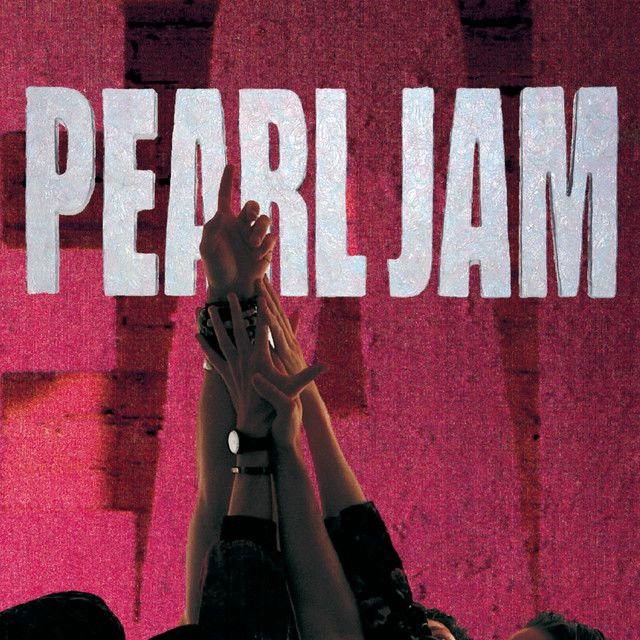
Alive by Pearl Jam
Pearl Jam’s debut single is more than a shout-along classic; it’s a knot of family secrets, survivor’s guilt, and uneasy desire. To grasp the meaning of Alive Pearl Jam, it helps to see how a private confession became a public anthem—and why its hook now lands with two very different emotions at once.
"Alive" - Pearl Jam
Have I got a little story for you
What you thought was your daddy
Loading lyrics...
Unable to load lyrics
We're unable to display the lyrics at this time. Please try again later.
A family revelation under stadium lights
At its heart, "Alive" tells of a teen who hears a little story for you
: the man who raised him isn’t his biological father, and his real dad has died. That shock primes the rest of the song. In the next scene, the mother crosses the son’s room, implies sexual readiness, and the narrator freezes. The moment frames a disturbing blur of grief, resemblance, and misplaced intimacy.
Eddie Vedder drew from his own past for the first and last verse, then fictionalized the second verse. That mix lets the song feel true while still operating as a fable. The result is a narrator who’s not heroic or hateful—just stunned, confused, and clinging to breath.

Watch the official Alive
music video
What the chorus really means
Before the chorus arrives, the story is heavy. Then the hook explodes:
Oh, I’m still alive Hey, I’m still alive
He isn’t celebrating; he’s acknowledging a burden. Early on, Vedder framed those words as survival laced with guilt. Over time, crowds turned the refrain into triumph. That flip—curse to anthem—explains why the song can fuel both private reckoning and arena catharsis.
Who’s speaking, and what’s the stance?
The song uses first-person voice. The narrator recounts the reveal, then faces the mother’s advance—I’m ready for you
—and goes numb. He’s processing in real time. The final scene’s volley of questions—Is something wrong?
… Do I deserve to be?
… Who answers?
—turns the song outward, asking listeners to confront what survival costs when love and loss are tangled.
Plot beats in order
- The mother drops the secret (identity shatters; fatherhood redefined).
- Grief twists into desire as the mother projects onto the son (Oedipal tension).
- The narrator dissociates, staring blankly (trauma response).
- The chorus repeats survival, not victory (burden of being).
- Final questions seek moral footing when family lines blur.
Symbols and recurring images decoded
- The room: A supposed safe place becomes a site of transgression.
- The look: The repeated
the look
hints at seeing something you can’t unsee—knowledge as a wound. - Questions: The stacked
Who answers?
shows the absence of guidance; the son must make sense of chaos.
How the sound carries the weight
Stone Gossard built the music first—mid‑tempo churn, muscular riffing—so Vedder could pour in story. Recorded at London Bridge Studio and later mixed in England, the track blooms after the third chorus with Mike McCready’s extended solo. Using a Uni‑Vibe swirl and blues‑rock phrasing, he lifts the narrator’s stuck energy into release. The band leaves space for Vedder’s baritone to crack and push, then lets the guitars resolve what the words can’t.
Critics have praised that outro as epic because it pushes the song from confession to catharsis. Lists have ranked it among rock’s great solos, but more important is what it does narratively: it gives breath to someone asking if they deserve to breathe.
Context that shapes the meaning
- Origin story: Gossard’s instrumental—once called "Dollar Short"—found its voice when Vedder wrote lyrics that fused autobiography with fiction.
- Trilogy frame: "Alive" opens a three‑part mini‑opera (with "Once" and "Footsteps"). Read that way, the son’s confusion curdles into violence and regret. Even if you don’t follow the trilogy, the first song stands on its own as a tale of identity shocked into adulthood.
- Visuals: The black‑and‑white live video shot at Seattle’s RKCNDY captured real sweat and crowd surge, matching how fans would soon shout the chorus back. That communal echo helped transform its meaning onstage.
Alternate readings listeners hear
- Interpretation: A straight survival anthem. Many hear "Alive" as proof they made it through grief, addiction, or depression. The chorus gives language to endurance.
- Interpretation: Survivor’s guilt. The hook reads as a heavy truth—being alive when a loved one is not—and the questions at the end refuse easy closure.
- Interpretation: Oedipal trauma and blurred boundaries. The second verse pushes discomfort to the surface to show how grief can warp love.
Why it still hits in 2026
The meaning of Alive Pearl Jam endures because it accepts contradiction. It’s both an origin story and a wound; both confession and release. The band’s performance—tight, raw, and open-ended—invites listeners to decide which version they need that night: burden or banner.
Takeaway
"Alive" doesn’t solve the narrator’s crisis. It holds it up to the light, lets guitars scream through the silence, and asks the room to answer back. That’s why the song still feels personal in headphones and overwhelming in a crowd.
Disclaimer: Song interpretations are subjective. This reading blends publicly known context with close listening to the recording and lyrics.








