Why 'You Really Got a Hold on Me' Still Hurts
The core meaning behind the struggle
The meaning of You Really Got a Hold on Me Percy Sledge comes down to one painful idea: they are trapped in a love that feels both real and unhealthy. The singer does not describe a happy romance. Instead, they show a person pulled between reason and desire, trying to leave but unable to break free.
"You Really Got a Hold on Me" - Percy Sledge
Seems that I'm always thinking of you
Though you treat me badly
Loading lyrics...
Unable to load lyrics
We're unable to display the lyrics at this time. Please try again later.
That tension appears right away. The song sets love against dislike, need against resistance, and self-protection against longing. When the narrator admits I don't like you
but still loves the other person, the message is clear: emotion has overpowered judgment.
This is why the song remains so powerful. It does not offer a neat lesson or a clean ending. It captures the confusion of attachment when someone knows a relationship is hurting them, yet still wants closeness.

Watch the official You Really Got a Hold on Me
music video
A voice caught between escape and surrender
What the verses reveal
The verses build the song's emotional logic step by step. First, the narrator says the relationship is unpleasant, even damaging. Then they confess that the other person stays in their mind all the time. That pattern matters because it shows obsession, not balance.
Short phrases like thinking of you
and treat me badly
make the conflict plain without much decoration. The writing is simple, but that simplicity is exactly why it lands so hard. There is no poetic hiding place.
In the next turn, the song deepens the contradiction. The narrator says they do not want this person, yet still need them. That is the emotional center of the record. Desire is not shown as joy; it is shown as dependence.
The chorus turns love into captivity
The repeated hook gives the song its title and its emotional frame. Saying someone has a hold on me
turns love into a kind of grip. This is not romance as freedom. It is romance as control, whether that control comes from the other person, from memory, or from the narrator's own feelings.
Interpretation: the chorus can be heard in two ways at once. On one level, it is about attraction so strong it feels physical. On another, it sounds almost like a warning: they know they are stuck.
That double meaning is what makes the chorus memorable. It is catchy, but it also carries dread.
I want to leave you
I can't quit now
Those lines are the song in miniature. They show a person who can name the exit but cannot take it.
How Percy Sledge changes the feeling
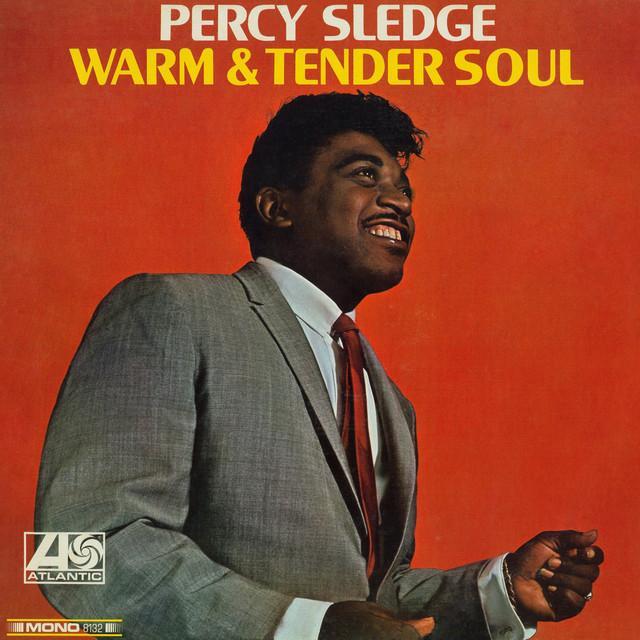
This song was written by William Robinson Jr., better known as Smokey Robinson, and first became famous through The Miracles. Percy Sledge, however, brings a different emotional color to it. Sledge was one of soul music's great interpreters, best known for "When a Man Loves a Woman," a 1966 No. 1 hit that helped define his career and made him an enduring voice of romantic pain. He was later inducted into the Rock & Roll Hall of Fame in 2005. Those facts are widely documented in major reference sources, including Percy Sledge's career overview.
Because of that history, listeners often hear Sledge as a singer of raw devotion. Rock critic Dave Marsh once called his ballads "emotional classics for romantics of all ages," a description often repeated in coverage of his work, including biographical summaries. That reputation shapes how this song lands in their version.
Why the performance matters
Sledge's style usually leans on open-throated pleading, gospel shading, and slow-building intensity. In a song like this, that approach matters. The lyrics already describe emotional weakness; the vocal delivery makes that weakness feel lived-in rather than abstract.
The production style associated with classic Southern soul also helps. Warm organ tones, patient rhythm, and a steady groove can make the song feel less like a pop complaint and more like a confession. Even when the beat stays controlled, the emotional pressure keeps rising.
Themes hidden inside simple words
The song works because its language is plain, but its themes are layered. Three stand out most clearly:
- Emotional dependency — The narrator cannot detach, even when they know the bond is harmful.
- Love versus self-respect — They recognize bad treatment, but affection still wins.
- Addiction-like attachment — Phrases about needing, quitting, and being held suggest compulsion.
Interpretation: modern listeners may hear the song as describing a toxic relationship. That is a valid reading, especially because the narrator openly says they are treated badly. At the same time, the song does not fully blame the other person. It focuses more on the trap inside the narrator's heart.
That balance is important. The song is less about villainy than vulnerability.
Why the song keeps connecting
Part of the answer is universality. Many people know what it feels like to be divided against themselves. They may not have lived this exact story, but they recognize the push-pull between what they know and what they feel.
Another reason is craft. The song uses repetition, direct language, and a strong central metaphor. It never gets crowded with detail. Instead, it returns to the same emotional knot until the listener feels it too.
For anyone searching for the meaning of You Really Got a Hold on Me Percy Sledge, the best summary is this: it is a soul song about being emotionally overpowered by love, even when love no longer feels safe or good. Percy Sledge's style deepens that conflict by turning a smart pop-soul lyric into something bruised, helpless, and painfully human.
Final takeaway
The song is not simply saying, "I love you." It is saying love can feel like surrender. That is why it still resonates: it tells the truth about how messy desire can become.
Disclaimer: This interpretation is based on the lyrics, performance, and known artist context. Like all song analysis, some meanings remain open to listener interpretation.







