Why Pitbull’s “The Anthem” Still Hits
The meaning of The Anthem Pitbull, Lil Jon starts with pure party energy, but the song also shows how Pitbull built a crossover sound by fusing crunk, rap, and Latin club music.
"The Anthem" - Pitbull, Lil Jon
Provided by LyricFindEverybody knows this right here
Your mother, your father, yous sister, your brother
Abuela y abuelo, everybody sing alongLoading...Loading lyrics...
Unable to load lyrics
We're unable to display the lyrics at this time. Please try again later.
The Big Idea Behind the Chaos
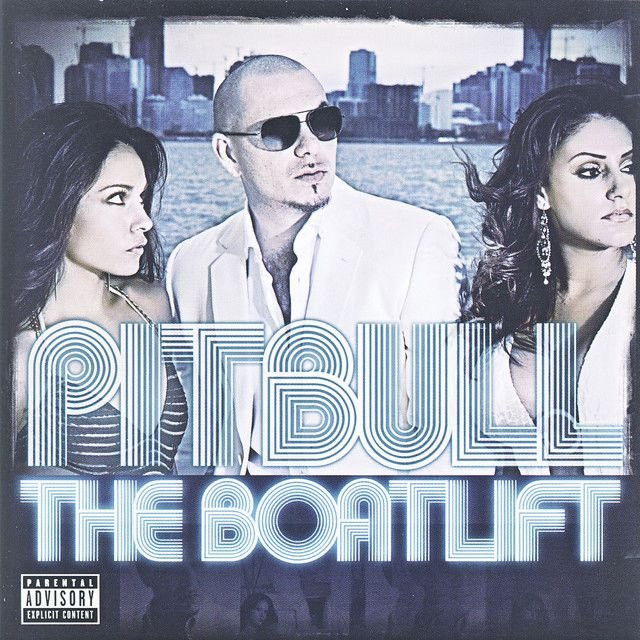
Released as a single from The Boatlift in 2007, The Anthem
pairs Pitbull with Lil Jon at a key moment in both artists’ club-run dominance. It reached No. 36 on the Billboard Hot 100 and No. 8 on Hot Rap Songs, according to publicly available chart summaries and release details documented by sources such as Wikipedia and Songfacts.
At its core, the track is not subtle. It is about nightlife, attraction, and the rush of a packed dance floor. The lyrics move fast, with Pitbull chasing instant chemistry and Lil Jon helping turn that desire into a crowd chant.
Interpretation: The song matters because it is more than a pickup anthem. It sells a feeling of cultural blend and nonstop momentum. Pitbull is not just narrating a club encounter; they are presenting themselves as a bilingual, pan-Latin party starter who can pull Southern rap energy into a global dance setting.

Watch the official The Anthem
music video
A Club Scene Told in Fragments
The song does not follow a deep story line. Instead, it works like snapshots from one loud night.
First, the intro opens the room wide. Pitbull calls on everybody sing along
, and then lists identities and family roles. That move makes the song feel communal before it turns sexual.
Then the verses narrow in on physical attraction. Phrases like skip conversation
show that the narrator is not interested in emotional depth. They want instant action, fast movement, and immediate gratification.
By the middle of the track, the club setting gets more intense. People flirt, drink, dance, and lose inhibition. The lyrics are blunt, sometimes crude, and fully committed to the logic of a late-night party song.
Why the Hook Feels So Huge
The chorus is the song’s engine. Even listeners who do not catch every line can feel what it is doing: repeating desire until it becomes rhythm.
One reason it sticks is its borrowed DNA. Research sources note that the intro and main hook draw from the older Latin hit El Africano
, though source credits vary on the exact lineage. Wikipedia connects the hook to Sonora Dinamita, while Songfacts links it to Wilfrido Vargas. What matters for meaning is the effect: Pitbull and Lil Jon pull a familiar Latin chant into a 2000s rap-club framework.
Interpretation: This makes the song feel inherited as well as current. It is not just a new party record. It sounds like a handoff from older Latin dance traditions into Miami rap culture.
Sound First, Meaning Second
If someone asks about the meaning of The Anthem Pitbull, Lil Jon, the production is half the answer. The words alone are simple. The beat is what makes them feel larger.
The track is built around the instantly recognizable melody associated with Calabria
, a dance instrumental tied to Rune Reilly Kölsch, also known as Enur/Rune RK in related credits. Sources including Wikipedia and Songfacts note that the song samples Calabria 2007
. That piercing synth-sax line does a lot of emotional work: it sounds urgent, sleek, and impossible to ignore.
Under that melody, the drums hit hard in a crunk style. Lil Jon’s influence is obvious in the shouted ad-libs, call-and-response structure, and pressure-cooker energy. Instead of inviting listeners gently, the song practically orders the room to move.
How the arrangement shapes the message
Three production choices carry the theme:
- Looped chant: It makes desire sound collective, not private.
- Sax-like lead melody: It gives the track a Mediterranean and club-dance flavor.
- Crunk percussion: It turns flirting into confrontation and release.
That is why the song feels bigger than its lyrical complexity. It communicates through force.
Pitbull’s Early Persona on Full Display
This track also helps explain early Pitbull. Before he became a polished global pop brand, they were building a harder, rowdier image tied to Miami, reggaeton spillover, Southern rap, and bilingual swagger.
The song’s national references and code-switching are not random decoration. They present Pitbull as someone who can move across scenes and identities. The opening roll call of communities suggests a broad, party-for-everyone mindset, even if the verses quickly return to lust and bragging.
Interpretation: That tension is part of the song’s appeal. It starts as inclusive celebration and then becomes a very specific, very male club fantasy. Some listeners hear that as energizing and funny; others hear it as dated or objectifying.
Both reactions are reasonable. The song is built on exaggeration, but its attitude is also unmistakably of its era.
A Song About Excess, Not Romance
It is important not to confuse this with a love song. There is no real tenderness here. The repeated idea is appetite—sexual, social, and musical.
Even a line like shake your ass to the beat
reduces everything to movement. The body becomes part of the percussion. That is why the song works best as atmosphere: it is less interested in two people connecting than in the whole room hitting the same pulse.
In that sense, the title fits. This is an anthem not because it carries a profound message, but because it is designed for group participation. Everyone can shout, dance, and recognize the hook within seconds.
Why It Endured
The song lasted because it caught several trends at once: Miami rap, Lil Jon’s crunk peak, Latin crossover energy, and European club production. The video’s international feel and the dedication to Natasja Saad, noted in release coverage, also connect it to a wider dance culture around the sample.
For many listeners, the meaning of The Anthem Pitbull, Lil Jon is simple: live now, move now, think later. But underneath that simplicity is a smart piece of crossover engineering.
It turns borrowed hooks, cultural references, and blunt club talk into one of Pitbull’s early signature records.
Disclaimer: This interpretation is based on the lyrics, production, and publicly available background information. Like most party songs, it can support more than one reading depending on the listener’s perspective.







