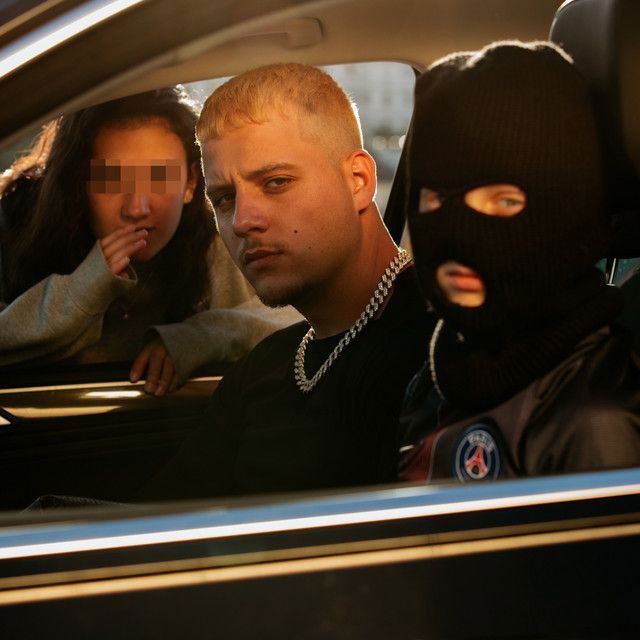
Billet d'20 by PLK
The meaning of Billet d'20 PLK comes down to a simple tension: they have money now, but they still think like someone who had to fight for every small bill.
"Billet d'20" - PLK
Ouais
À 200 sur l'autoroute, vitesse de croisière
Loading lyrics...
Unable to load lyrics
We're unable to display the lyrics at this time. Please try again later.
A hard exterior hiding a survival code
PLK, born Mathieu Pruski, is a French rapper from Paris who rose from crews like Panama Bende to become one of the bigger names in French rap, with projects such as Mental, Enna, and 2069' earning strong chart success (Wikipedia). That background matters here.
In “Billet d'20,” they do not present success as peace. They present it as armor. The verses are full of threats, flexes, and sexual bravado, but the emotional center sits elsewhere: distrust, memory, and loyalty.
The hook says it clearly with parmi les miens
. Paraphrased, they feel safest only around their own people. That line is the key to the song. Everything else—the cars, the showcases, the money talk—spins around the need to protect the self and the circle.

Watch the official Billet d'20
music video
Why the title image matters so much
The twenty-euro bill as a self-portrait
The strongest metaphor is in liasse de billets d'20
. A stack of twenties is not the fantasy image of rare luxury. It suggests everyday cash, constant handling, and street-level movement.
Interpretation: when they compare themselves to that money, they seem to mean they are worn in, circulated, and made tough by contact with the real world. A twenty-euro note passes through many hands. So does a person shaped by hustle, pressure, and unstable trust.
That makes the song less about rich living than about the psychology of being used to motion and stress. Even when success arrives, they still sound like someone who cannot fully relax.
The verses tell a rise story without romance
PLK builds the track from snapshots. They move from highway speed to neighborhood pride, from old street dealing to concerts in Corsica and Switzerland. The message is not subtle: they came up, and now the people who ignored them want access.
One of the sharpest examples is the contrast between past and present. They recall a period of making money in smaller, riskier ways, then place that against selling records now. Paraphrased, people rejected them before the music business rewarded them.
A line like quand t'es dans le trou
pushes the song beyond bragging. It means that when someone is down, fake friends vanish. That adds emotional logic to the aggression. The hostility is not random; it is a defense built from disappointment.
Loyalty, paranoia, and social anger
Why the song sounds so suspicious
The meaning of Billet d'20 PLK also depends on its social view. They keep measuring who is real and who is acting. Rivals are called soft. Outsiders are mocked. Fame itself is treated as unstable and often fake.
There is also a broader complaint about modern values. PLK contrasts hustle and danger with a world where influence and image can pay more than respected professions. Paraphrased, they see society as upside down.
That idea gives the song some bite beyond personal insult. It suggests they think the world rewards performance, not substance. So they answer that world with a harder performance of their own.
What the chorus really adds
The chorus does more than repeat a catchy phrase. It frames the whole track as internal pressure. They admit j'réfléchis trop
, which matters because it cuts through the swagger.
For a moment, the song stops being a public display and becomes a private confession. They overthink. They self-medicate. They do not trust help. The repeated lines about only needing their own people sound less like arrogance and more like emotional triage.
Interpretation: this is why the hook works. It turns all the wild verse details into symptoms of one worldview: survive first, trust carefully, enjoy success fast because security never feels permanent.
The women, vulgarity, and what it does to the portrait
Some of the song is explicitly sexual and openly crude. Those sections are not the deepest writing on the track, but they still serve a purpose in the portrait PLK is building.
They show excess after performance: hotel suites, post-show release, and bodies treated as part of the reward system. In thematic terms, that material reinforces numbness. Pleasure is present, but intimacy is not.
So even these lines fit the larger idea. The song keeps choosing control over closeness. People are sorted into categories: allies, enemies, users, and temporary pleasures.
How the sound carries the message
Though songwriting gets most of the attention, the production style is important too. The track fits the polished, bass-heavy lane of modern French rap that PLK helped popularize during his commercial rise. The beat leaves room for blunt delivery, quick switches in attitude, and a hook that lands through repetition rather than melody overload.
That musical restraint supports the meaning. A clean, hard rhythm makes the threats sound matter-of-fact. There is little softness in the sonic design, which matches the worldview of the lyrics.
Even the hook feels mechanical in a useful way. It cycles like a thought they cannot stop replaying: money, their people, overthinking, no help when things go bad.
A clear takeaway from the chaos
At first listen, “Billet d'20” can sound like pure provocation. But the meaning of Billet d'20 PLK is more specific than that. It is a song about what happens when success arrives before trust does.
PLK turns a simple cash image into a picture of a life spent in circulation, pressure, and defense. The result is harsh, boastful, and vulgar at times, but it is also honest about one thing: they believe survival changed them more than fame did.
Disclaimer: This article offers an interpretation of the song based on its lyrics, performance, and available artist context. Meanings can vary from listener to listener.








