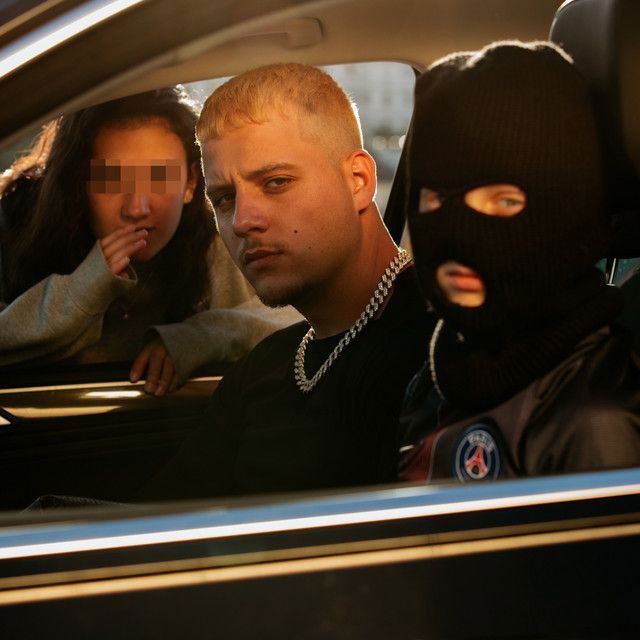
Why “Pilote” Turns Speed Into Suspicion
The meaning of Pilote PLK, Hamza starts with a simple image: a driver in control. But this is not just a car song. It is a rap track where driving becomes a symbol for managing risk, money, desire, and fear at the same time.
"Pilote" - PLK, Hamza
Sauce God, PLK, oh, oh, oh
Elle est brune, elle a des grosses fesses
Loading lyrics...
Unable to load lyrics
We're unable to display the lyrics at this time. Please try again later.
PLK and Hamza build a world of fast cars, cash, and nightlife. On the surface, it sounds triumphant. Under that shine, though, the lyrics keep returning to distrust and inner unrest. The song’s real tension is this: they can steer the vehicle, but they cannot fully steer their emotions.
A Driver’s Seat That Means More Than Driving
When the hook says J'pilote la caisse
, the image is literal and symbolic. They are driving, yes, but they are also claiming command over their whole environment. In rap, the car often stands for status, freedom, and mobility. Here it also suggests pressure: the narrator must stay sharp, protect himself, and keep moving.
That is why the line about the police matters too. The song pairs luxury with caution. Even at moments of confidence, there is an implied rule of survival: stay calm, stay quiet, do not lose control. The hook sounds smooth, but its message is defensive.
Interpretation: “Pilote” uses the language of control to hide vulnerability. The more the narrator insists he has everything handled, the more the listener hears how unstable the world around him really is.
Watch the official Pilote
music video
Money, Attraction, and Distrust
One of the sharpest ideas in the song appears in the repeated complaint tu veux mon blé
. They question whether affection is real or just tied to wealth. That line gives the song its emotional center.
A lot of the verses describe women, nightlife, luxury brands, and spending power. Those details are common in French rap, but here they do more than decorate the track. They create a social setting where relationships feel transactional. If everyone is drawn to money, then closeness becomes hard to trust.
This repeated suspicion changes the tone of the flexing. The cars and commissions are signs of success, but they also isolate the narrator. He has access, status, and movement, yet he keeps wondering what is genuine.
The Vacation Fantasy vs. The Hustle Reality
A key contrast appears when a woman wants escape, travel, and pleasure, while he answers that he has business to finish. That split is important. She represents pause and distance; he represents obligation and motion.
j'peux pas rater
je trouverais pas la paix
This is the song’s clearest emotional reveal. Even if he left town, peace would not follow him. The problem is not just the city or the schedule. It is inside him.
The Darkest Line in the Song
The phrase Mon cœur est noir
pushes the song beyond brag rap. It suggests guilt, numbness, or emotional damage. That one image deepens everything around it.
Before that moment, listeners might hear only luxury and bravado. After it, the song sounds different. The expensive cars, heavy cash, and constant motion no longer feel like simple celebration. They start to look like armor.
Interpretation: This does not necessarily mean confession in a literal sense. It may be a rap persona exaggerating hardness. Still, the line works because it reveals a believable emotional truth: success has not made the narrator feel clean, safe, or settled.
How Hamza Extends the Song’s World
Hamza’s presence matters because he does not break the mood; he widens it. His verse keeps the focus on wealth, sex appeal, imported products, and flashy mobility. Yet his delivery is slicker and more weightless, which creates contrast with PLK’s more grounded tension.
Together, they create two shades of the same lifestyle:
- PLK sounds tense, local, and watchful.
- Hamza sounds fluid, indulgent, and detached.
- Both keep money at the center of desire.
That balance is part of why the song connected. According to PLK’s chart history, Pilote reached No. 5 in France and earned Platinum certification from SNEP, showing how strongly this mix of melody and menace resonated with listeners (Wikipedia).
Why the Sound Matters So Much
The production supports the meaning of Pilote PLK, Hamza by making danger sound luxurious. The beat feels sleek and airborne, matching the Porsche and Formula-style imagery. There is bounce in the drums, but also enough space in the instrumental to let paranoia sit in the background.
This matters because the song is not chaotic. It is controlled. The flows glide rather than explode. That restraint makes the track feel like night driving: smooth surface, hidden risk.
PLK, born Mathieu Pruski, built his career in French rap through melodic street rap and high-profile collaborations, while Hamza is known for bringing a polished, melodic Belgian rap style into these spaces (Wikipedia). “Pilote” plays directly into those strengths.
Context Around PLK Helps Explain the Song
PLK came up through groups before becoming a major solo artist, and his music often blends toughness with melody and personal unease (Wikipedia). That history helps explain why “Pilote” never sounds like empty flexing.
He knows how to write status records that still carry pressure. In “Pilote,” the neighborhood references, business talk, and distrust all fit that pattern. The song is catchy enough for the club, but its worldview is colder than its surface suggests.
The Final Meaning Behind “Pilote”
So, what is the meaning of Pilote PLK, Hamza? It is about control as performance. They present themselves as drivers of expensive machines and their own destinies, but the lyrics keep exposing fear, suspicion, and a lack of peace.
That is why the song lasts. It offers the thrill of movement and luxury, then quietly undercuts it. They can outrun boredom, maybe even danger for a moment, but they cannot outrun distrust or themselves.
Disclaimer: This interpretation is based on the lyrics, performance, and available artist context. As with most songs, some meanings remain open to listener interpretation.







