Why "Disco 2000" Still Hurts and Dances
The meaning of Disco 2000 Pulp starts with a simple idea: they are remembering the person they liked before they knew how to say it. Pulp turns that memory into something both funny and painful. The song bounces like a party record, but its heart is full of awkward longing.
"Disco 2000" - Pulp
Our mothers said we could be sister and brother
Your name is Deborah (Deborah)
Loading lyrics...
Unable to load lyrics
We're unable to display the lyrics at this time. Please try again later.
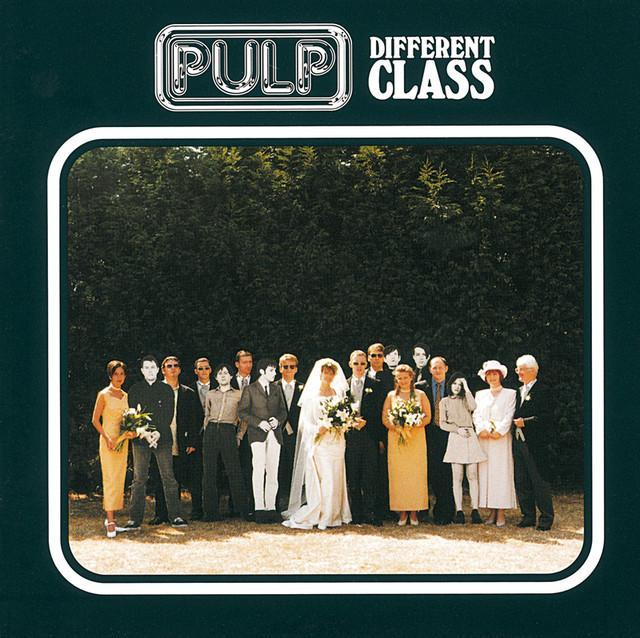
Released on Different Class and then as a single in late 1995, Disco 2000
became one of Pulp’s signature songs during the Britpop era. Factually, it was written by Jarvis Cocker, Nick Banks, Steve Mackey, Russell Senior, Candida Doyle, and Mark Webber, and the album version was produced by Chris Thomas. It reached No. 7 on the UK Singles Chart and later earned Platinum certification in the UK.
A Crush Frozen in Time
At its core, the song is about a childhood friend named Deborah and a narrator who never got over her. He remembers how close they seemed at the start, then how quickly that closeness turned into distance. The song sketches a whole emotional history with tiny details, like the house with woodchip on the wall
and the feeling that she didn't notice me at all
.
Interpretation: those details matter because they show how memory works. People often do not remember grand speeches. They remember wallpaper, sidewalks, and the exact embarrassment of being overlooked.
The biggest emotional turn comes from the fantasy of reunion. As kids, meeting again in the future sounds exciting and almost magical. As adults, that old plan feels less like destiny and more like proof that life did not go the way the narrator hoped.
Watch the official Disco 2000
music video
The Hook That Changes Everything
The chorus is the song’s engine. It sounds communal and bright, built around the invitation to meet up in the year 2000
. On the surface, it feels playful. Underneath, it is about a promise that was never really a promise.
Won't it be strange
when we're all fully grown?
Pulp uses that future-looking line to reveal something sad: growing up does not solve old feelings. It just gives them more context. By the time the future arrives, Deborah is married and the narrator is alone. That contrast is the sting of the song.
Interpretation: the chorus is not only about one missed romance. It is also about the shock of adulthood itself. The future arrives, but it does not feel triumphant. It feels damp, ordinary, and slightly too late.
Jarvis Cocker’s Real-Life Starting Point
Part of what gives the song its force is that it came from real memory. Jarvis Cocker has explained in interviews that Deborah was based on a real childhood friend from Sheffield, though he also admitted some details were changed for the song’s rhythm and shape. He joked that the line about being born within an hour
was compressed from a longer gap because it scanned better.
That matters because Pulp often worked from sharp social observation rather than vague emotion. Even when the song is exaggerated, it feels lived-in. Reports about the real Deborah, Deborah Bone, have described her as a pioneering mental-health worker and the inspiration behind the song’s central character.
How the Sound Sells the Feeling
One reason the meaning of Disco 2000 Pulp lands so well is the production. The track is fast, glossy, and disco-leaning, with a dramatic piano-led rush and a beat that keeps pushing forward. Critics have often noted its glam-pop sparkle and its near-floor-filler energy.
That sound choice is crucial. If the arrangement were slow and sad, the song would be ordinary heartbreak. Instead, Pulp makes regret feel thrilling. They let the narrator dance through humiliation.
Bright Music, Bruised Ego
Jarvis Cocker’s vocal delivery also sharpens the meaning. He does not sing like a smooth romantic hero. He sounds wiry, eager, and a little self-mocking. That makes the narrator more believable: not a tragic poet, but a person replaying an old social defeat.
The band understood that contrast well. Pulp’s style often placed class detail, irony, and desire inside highly melodic pop songs. Here, the tune races ahead while the lyric keeps looking backward.
The Song’s Small Symbols
A few repeated images carry most of the emotion:
- The small house: a real place made mythic by memory.
- The fountain: a meeting point that represents hope more than certainty.
- The future year: not science fiction, but a child’s idea of adulthood.
- Sunday and the baby: a late, awkward acceptance that life has changed.
That final invitation is especially telling. The narrator no longer imagines stealing Deborah away into some romantic ending. They offer a modest, almost painfully polite reunion. Time has reduced fantasy into practicality.
More Than Nostalgia
It would be easy to call this just a nostalgic song, but that is too soft. Nostalgia usually makes the past glow. Disco 2000
does something more complicated. It shows how memory can preserve both affection and embarrassment.
Interpretation: the song is about unrequited love, but also about status. Deborah is popular. The narrator is not. Part of the pain is romantic, and part of it is social. They are not only losing the girl; they are losing the version of themselves that might have belonged beside her.
That helps explain why the song still connects with listeners in the United States and beyond. Most people know the feeling of being close to someone in their own mind and far from them in real life.
Why It Endures
Pulp reportedly even withdrew the song’s synchronization license around 1999 to avoid it being overused for millennium promotions, which says a lot about how tightly its hook captured a cultural moment. But the song lasted because it is not really about the year 2000 at all.
It is about the moment they realize that the future cannot fix the past.
That is the lasting meaning of Disco 2000 Pulp: a dazzling pop song about missed chances, class-club awkwardness, and the strange comedy of growing up. It invites listeners to dance, then quietly reminds them what they lost.
Disclaimer: This article mixes documented background with clearly labeled interpretation. Song meaning can remain open, even when the writer’s real-life inspiration is known.







