Why "Mis-Shapes" by Pulp Still Hits Hard
Pulp’s "Mis-Shapes" is one of Britpop’s clearest songs about class, belonging, and social cruelty. For anyone searching for the meaning of Mis-Shapes Pulp, the core idea is simple: it is an anthem for people mocked for looking, dressing, or acting differently.
"Mis-Shapes" - Pulp
Raised on a diet of broken biscuits, oh
We don't look the same as you
Loading lyrics...
Unable to load lyrics
We're unable to display the lyrics at this time. Please try again later.
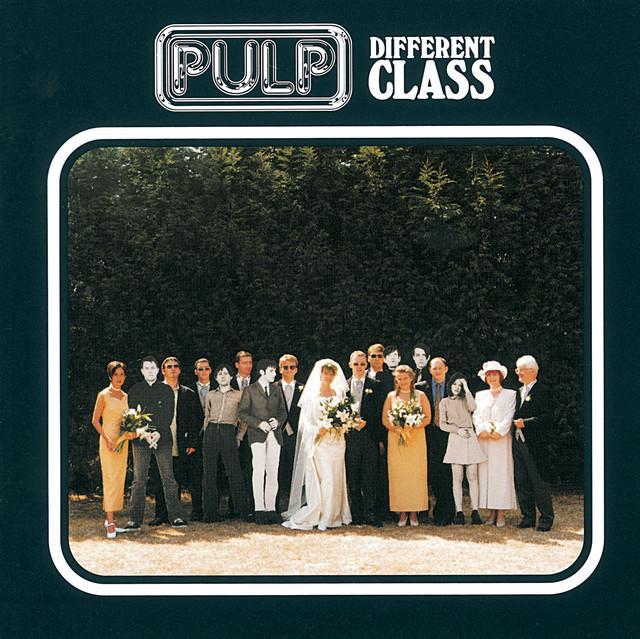
Released on 25 September 1995 as a double A-side with "Sorted for E’s & Wizz," the track came from Different Class and reached No. 2 in the UK. It was written by Jarvis Cocker, Mark Webber, Russell Senior, Candida Doyle, Steve Mackey, and Nick Banks, and produced by Chris Thomas. Those facts matter because the song arrived at the height of Britpop, but it pushed against the scene’s cool image by siding with outsiders instead of trend-followers.
A rallying cry for the left-out
At heart, the song speaks for people who feel like social rejects. Early on, Pulp pile up labels like Misshapes, mistakes, misfits
. They are not accepting those insults as truth. They are taking ugly words and turning them into a shared identity.
That move is the song’s emotional trick. What begins as shame becomes pride. The narrator says these people may not fit the local standard, but they still belong in the same town, the same culture, and the same future.
Interpretation: The song is not just about being quirky. It is about how nonconformity becomes dangerous when a crowd decides difference is a threat.
Watch the official Mis-Shapes
music video
Sheffield, class tension, and real-world roots
Jarvis Cocker explained that the song came from nights out in Sheffield, where people who dressed differently could be mocked or attacked. He described groups of aggressive men targeting anyone who stood out. That context helps explain why the lyrics feel so alert and defensive.
The verses describe a world where even going into town feels risky. A short phrase like standing out
carries the whole social problem: visibility brings punishment. This is not abstract rebellion. It is about local bullying, peer pressure, and class-coded behavior.
The title also has a revealing origin. Cocker said it came from cheap “mis-shaped” chocolates that looked wrong but tasted just as good. That metaphor is perfect for the song. Society judges by surface, but the song insists that supposed imperfections say nothing about real value.
How the chorus flips fear into power
The chorus changes the song from observation into action. Instead of simply describing exclusion, it invites a coalition. The key message is that outsiders are stronger together than they are alone.
Brothers, sisters, can't you see?
The future's owned by you and me
There won't be fighting in the street
They think they've got us beat
This is the article’s only longer quote, and it shows the song’s balance of hope and anger. The language sounds like a protest chant, but it also imagines a better future. The point is not endless revenge. It is social reversal.
When the song says We’re making a move
, it turns passive people into political subjects. They are no longer stuck at the edge of the room. They are stepping into history.
Not violence—intelligence
One of the sharpest parts of the meaning of Mis-Shapes Pulp is how it handles power. The song uses the language of a raid or takeover, but then it rejects literal violence. It says the outsiders will not win with force.
Instead, the key weapon is That’s our minds
. This line gives the song its moral center. Pulp are saying intelligence, awareness, and imagination matter more than macho aggression.
That idea also fits the class politics of Different Class. Many Pulp songs look at how status works: who gets to feel comfortable, who gets dismissed, and who is told to stay in their lane. In "Mis-Shapes," education creates a problem and a possibility. The outsiders have learned too much to accept the world as it is.
The rich, the thick, and the social map
Midway through, the song takes aim at wealth and smugness. It mocks people who have money but no curiosity or self-knowledge. The insult is funny, but it is also political. Pulp are not attacking success itself. They are attacking emptiness.
Interpretation: The song suggests that the ruling group may control space and status, but they do not necessarily deserve that power. Their authority rests on habit, conformity, and numbers, not wisdom.
This is why the song still feels fresh. It is about outsiders, but it is also about who gets to define “normal.” Pulp expose normality as a costume worn by the loudest group.
Why the music makes the message land
The track’s sound matters as much as its words. Critics have described it as a glam-tinted pop rush with a theatrical edge, and that feels right. The beat pushes forward, the keyboards add shine, and the guitars keep the song lively instead of heavy.
That choice is smart. If the arrangement were dark and miserable, the song might feel defeated. Instead, it sounds communal and triumphant. The bright momentum turns grievance into momentum.
Cocker’s voice also helps. He does not sing like a distant hero. He sounds nervous, sly, amused, and suddenly defiant. That mix makes the song believable for people who have felt small but still want to fight back.
Why it still connects now
"Mis-Shapes" endures because its target is bigger than one 1990s subculture. The song understands a pattern that keeps repeating: groups enforce belonging by humiliating anyone who looks different.
At the same time, Pulp refuse self-pity. They imagine solidarity instead. That is why the song became a favorite for listeners who saw themselves as nerds, weirdos, or outsiders. It offers dignity without pretending the cruelty is not real.
In the end, the meaning of Mis-Shapes Pulp is about reclaiming identity from people who use difference as a weapon. It says the misfits are not broken. They are simply outnumbered—until they organize.
Disclaimer: This interpretation combines confirmed background from the band’s public comments with close reading of the lyrics and music. Like any song, "Mis-Shapes" can support more than one valid reading.







