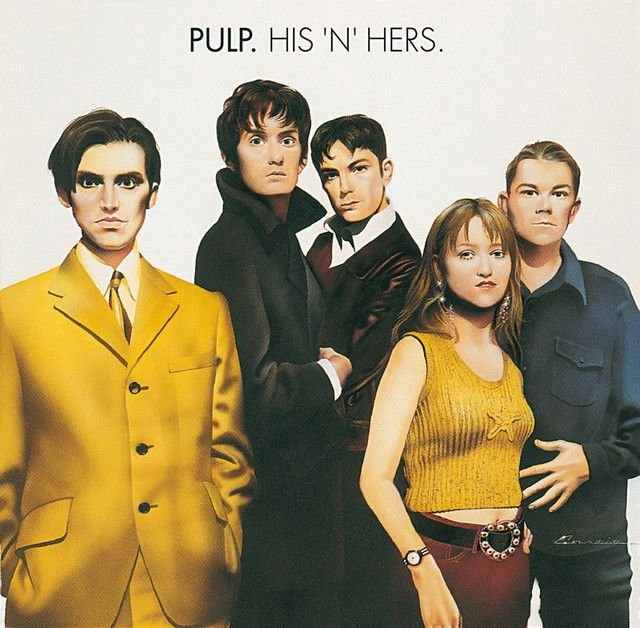
Someone Like the Moon by Pulp
Why This Small Song Hurts So Much
The meaning of Someone Like the Moon Pulp comes down to one quiet idea: a person is trying to survive emotional pain, and the world keeps offering pretty images instead of real comfort. The song is gentle on the surface, but it is really about loneliness, heartbreak, and the mismatch between romantic fantasy and ordinary suffering.
"Someone Like the Moon" - Pulp
As it travels through the sky,
'Cause she's heard that it's romantic,
Loading lyrics...
Unable to load lyrics
We're unable to display the lyrics at this time. Please try again later.
Pulp often wrote about awkward feelings, social roles, and private disappointments. That matters here. Even in a short lyric, they turn everyday actions into emotional evidence: coffee, a phone call, the radio, daylight. Those details make the pain feel lived-in rather than dramatic.
Watch the official Someone Like the Moon
music video
The Story It Tells in Plain Terms
At the center of the song is a woman who looks at the moon because she has been told it is romantic. But the lyric quickly undercuts that idea. She watches it, yet she can't see why
. In other words, she knows the cultural script of romance, but it does not help her make sense of how she feels.
From there, the song follows a simple emotional timeline:
- She reaches for rituals like coffee and conversation.
- She tries to keep the night going, because night feels easier.
- Morning arrives and makes everything worse.
- Familiar things, like the radio, reopen the wound.
- By evening, she can think clearly enough to feel anger.
That structure is important. This is not just a breakup song. It is a song about getting through the next day after being emotionally shaken.
Night, Day, and the Song’s Real Conflict
The moon is not just a pretty image
The moon stands for emotional distance, softness, and a kind of silent companionship. The repeated wish for someone like the moon
suggests she needs comfort that is calm and undemanding. The moon does not fix anything, but it does not pressure her either.
Interpretation: the song may be contrasting fantasy with care. The moon is beautiful, but it is also far away. That makes it a poor substitute for real support.
Daylight feels like exposure
The strongest contrast in the lyric is between night and morning. When the day bleeds through the sky
, the image feels invasive, almost physical. Daylight brings the return of reality: routine, memory, embarrassment, and the need to function.
That is why the repeated idea that someone should have helped her through the day hits so hard. The song is not chasing romance. It is asking where comfort was when it mattered most.
How Specific Lines Deepen the Meaning
One of Pulp’s strengths is that they can make simple details carry emotional weight. Here, small actions show a person trying not to collapse.
She drinks coffee and calls a friend. That sounds ordinary, but in context it feels like survival. She asks if she can keep going so that the night will last, which suggests she dreads the emotional pressure of morning.
Then the song introduces one of its sharpest details: the radio only plays love songs
. That line captures how heartbreak works in real life. Nothing has to mention the person directly; the world does it for them.
By evening, her sadness starts to mix with anger. She thinks about how so stupid
a person can still wreck someone else’s life. That shift matters. Pain is no longer abstract. It has a cause.
What the Sound Likely Adds
The song’s lyric suggests a restrained arrangement rather than a big cathartic one. That restraint fits Pulp well. The band, formed in Sheffield and led by Jarvis Cocker, became known for smart character writing and emotional observation, especially on records from their early-to-mid-1990s rise.
The writing credits provided here—Candida Doyle, Jarvis Cocker, Nick Banks, Russell Senior, and Steve Mackey—also reflect Pulp’s classic collaborative lineup. In broad terms, Doyle’s keyboard-centered textures and the band’s understated rock approach often helped create songs that felt intimate before they turned dramatic.
Interpretation: if the arrangement is sparse or steady, that would support the lyric’s mood. A song about enduring the day works best when it sounds trapped in time rather than explosively released.
A Character Study, Not Just a Confession
Another key to the meaning of Someone Like the Moon Pulp is its point of view. The song describes she likes to watch the moon
instead of using “I.” That third-person distance makes the pain feel observed, almost like a sketch of someone trying to stay composed.
That distance is classic Pulp. They often balance empathy with sharp social awareness. The woman is not mocked, but she is shown clearly: romantic ideas, weak coping methods, private tears, and flashes of self-blame all mix together.
This gives the song two possible readings:
- Interpretation 1: It is a portrait of heartbreak and emotional exhaustion.
- Interpretation 2: It is also about how culture sells romance as beauty while ignoring the hard work of care.
Both readings fit the lyric because the moon is admired, but help is what she actually needs.
The Lasting Takeaway
What makes the song memorable is its refusal to glamorize sadness. It starts with moonlight, but it ends with a need: someone should have helped her through the day. That is a much more grounded and painful truth.
So, the meaning of Someone Like the Moon Pulp is not just about longing for romance. It is about wanting tenderness that can survive daylight, routine, and hurt. The moon may look comforting, but the song quietly asks for something closer and more human.
Disclaimer: This interpretation is based on the lyrics provided and general context about Pulp’s style. As with any song, listeners may hear different meanings in it.







