Madrigal by Rush
A quiet love song inside a grand album
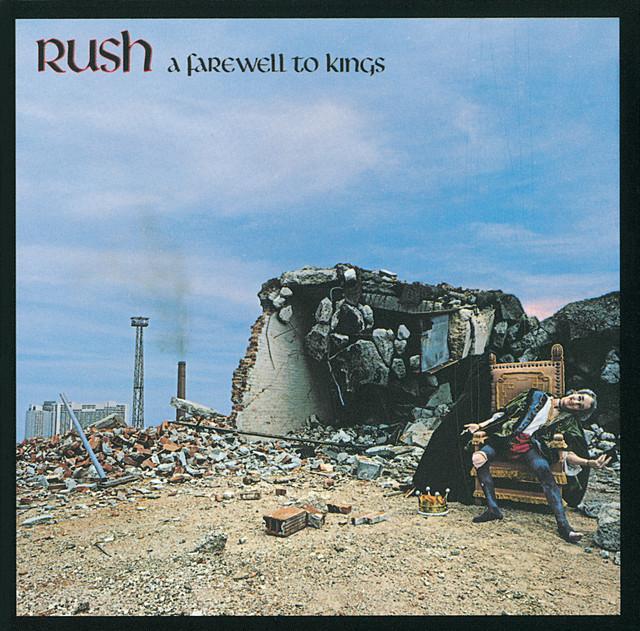
The meaning of Madrigal Rush begins with contrast. Rush are often known for precision, science fiction, and big ideas, but this song turns inward. It appears on A Farewell to Kings, the 1977 album that also includes larger, more dramatic pieces; Wikipedia's album entry places it in the middle of one of the band's classic progressive periods. Against that backdrop, “Madrigal” feels small on purpose.
"Madrigal" - Rush
To slay with pen or sword
I grow weary of the battle
Loading lyrics...
Unable to load lyrics
We're unable to display the lyrics at this time. Please try again later.
At heart, the song is about emotional refuge. The speaker faces a world that feels harsh, chaotic, and morally worn down, and they find relief in one person’s steady love. Rather than bragging about romance, the lyric treats love as shelter, proof, and renewal.

Watch the official Madrigal
music video
What the song is really saying
The clearest reading is simple: when life turns exhausting, intimacy becomes a safe place. The opening images are oversized and almost fantasy-like, but they point to familiar stress. The line about dragons grow too mighty
suggests problems that have become too large to solve through talent, courage, or argument alone.
The next thought deepens that feeling. The speaker says they grow weary of the battle
, which makes the song less about heroic struggle than burnout. They are not celebrating combat. They are admitting that strength has limits.
Interpretation: This is why the love in “Madrigal” matters so much. It is not presented as a thrill or conquest. It is the place where performance ends and honesty begins.
Medieval images, modern feelings
A madrigal is traditionally a type of lyric song, often linked to courtly love and Renaissance music. Rush use that old-world title and imagery to frame very modern emotions. Dragons, storms, harbors, winter, and beacons all sound literary, but the feelings beneath them are easy to recognize: pressure, confusion, loneliness, and relief.
One of the strongest examples is the image of no safe port in view
. The speaker is not just lost; they are surrounded by danger with nowhere secure to land. That makes the turn toward home especially moving. They long to stop for a while with the person they trust.
That movement gives the lyric a clear shape:
- The world feels overwhelming.
- The speaker becomes exhausted and disillusioned.
- A loved one becomes a source of warmth and direction.
- Love restores belief in human goodness.
How the final verse changes the song
The last verse is where the meaning of Madrigal Rush becomes most direct. Earlier verses describe stress and struggle through metaphor. The ending names the deeper wound: a loss of faith in values like honor and truth. The speaker says searching for those things seems futile.
Then comes the reversal. Instead of finding those ideals in society at large, they find them embodied in another person. The loved one does not lecture about virtue; they demonstrate it. That is the emotional payoff of the song.
In vain to search for honor
And in vain to search for truth
But these things can still be given
Your love has shown me proof
This is the key statement of the whole piece. The song argues that private love can restore public ideals. In other words, the world may feel broken, but tenderness still proves that decency exists.
The person at the center
The beloved in “Madrigal” is described less as a character and more as a presence. They are a haven, a light, and a moral example. The phrase beacon in the darkness
captures that role well. The loved one does not erase suffering; they help the speaker endure it.
Another short image, distant pair of eyes
, adds a layer of longing. The person may not be physically present in the moment of struggle. Even so, the memory of them guides the speaker forward. That makes the song feel both intimate and slightly wistful.
Interpretation: Some listeners hear this as a romantic love song, while others hear a broader devotion song about trust, home, or even spiritual comfort. The lyrics support the romantic reading most strongly, but the emotional structure is open enough to allow both.
How Rush’s music supports the meaning
The arrangement matters. “Madrigal” is gentle and restrained, which separates it from the harder-edged material around it. Rush were deep into progressive rock by 1977, yet here they avoid excess. The performance favors atmosphere over flash.
That choice reinforces the lyric. A song about retreating from noise should not sound noisy. Instead, the music creates a chamber-like mood, with soft dynamics and a patient pace. Geddy Lee’s vocal delivery is tender rather than forceful, and the band leave room for the words to breathe.
This is also where Rush’s craft shows. According to Rush.com, “Madrigal” is part of A Farewell to Kings, a record that balances acoustic textures with the band’s more expansive style. On this track, that balance helps turn the song into a pause for reflection.
Why the song still connects
“Madrigal” may not be one of Rush’s most famous songs, but it fills an important role in their catalog. It shows that Neil Peart, Geddy Lee, and Alex Lifeson could write about vulnerability without losing sophistication. The lyrics use fantasy language, yet the emotional message is direct: love can steady a person when the world feels impossible.
That is why the meaning of Madrigal Rush remains appealing. It speaks to listeners who are tired of grand answers. The song does not promise victory over every dragon. It offers something more believable: rest, trust, and a reason to keep going.
Final takeaway
“Madrigal” is best understood as a quiet song of rescue. Its speaker moves from conflict and disappointment toward warmth and proof that goodness still exists in human connection. In a catalog full of intellectual ambition, Rush make room here for gentleness.
Disclaimer: This interpretation is based on the lyrics, recording context, and publicly available band information. Like many songs, “Madrigal” can support more than one valid reading.






