Why Rush's 'Tom Sawyer' Still Feels Defiant
The meaning of Tom Sawyer Rush comes down to a sharp idea: this is not really a song about Mark Twain’s boy hero. It is a portrait of a modern rebel—smart, guarded, independent, and difficult to define.
"Tom Sawyer" - Rush
Mean, mean stride
Today's Tom Sawyer
Loading lyrics...
Unable to load lyrics
We're unable to display the lyrics at this time. Please try again later.
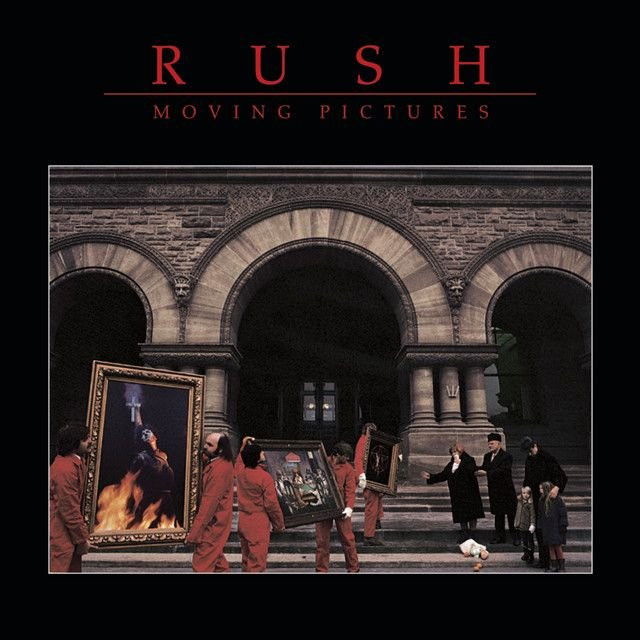
Released in May 1981 as the opening track on Moving Pictures, the song became one of Rush’s most recognizable works and a defining single of their early-1980s era. It was written by Geddy Lee, Alex Lifeson, and Neil Peart, with lyric help from Pye Dubois, whose original poem was reworked into the final song.
A Literary Name for a Modern Archetype
The title points readers toward Twain, but the lyric uses that name as shorthand. According to Neil Peart, the song began from Dubois’ portrait of a “modern day rebel,” and Peart added more personal themes about the tension between youth and adulthood, and the difference between self-image and public perception.
That matters because the song never tells a Twain-style story. Instead, it sketches a type of person: a modern-day warrior
with a strong outer shell and a complicated inner life.

Watch the official Tom Sawyer
music video
The Character at the Center
Rush describes someone who seems proud, maybe even severe, but the lyric quickly complicates that first impression. When the song says his mind is not for rent
, it presents a person who will not hand over his thinking to fashion, religion, or politics.
Just as important, the lyric warns listeners not to confuse distance with arrogance. His reserve works like armor. He moves through public life while protecting something private.
Interpretation: Strong, But Not Simple
Interpretation: The character is not a cartoon rebel. He is self-protective, intellectually independent, and restless. That is why lines about being hopeful yet dissatisfied feel so important: they show someone who wants meaning, but refuses easy answers.
Society Is in the Mirror
One of the smartest moves in the song is how it shifts from one man to everyone else. The lyric suggests that what people say about this figure also reveals what they believe about society.
In other words, the judgment goes both ways. If they call him difficult, maybe they are really defending conformity. If they call him mysterious, maybe they are admitting that modern identity is hard to pin down.
That is where phrases like catch the myth
and catch the mystery
matter. Rush presents the character as part real person, part symbol. He stands for the way modern culture turns people into stories before it fully understands them.
What the Chorus Expands
The refrain opens the song outward. Instead of staying in pure character study, it turns philosophical, saying the world and human feeling are deeper than they first appear.
This gives the song emotional range. The rebel is not just pushing against authority for fun. He is moving through a world that is wide, unstable, and full of forces he cannot fully control.
Always hopeful, yet discontent
He knows changes aren't permanent
But change is
That short passage may be the song’s clearest statement. It captures a paradox: the only stable fact is instability. The character survives not by mastering the world, but by adapting to it without surrendering himself.
How Rush’s Sound Builds the Meaning
The music is a huge part of why this song lands so hard. The opening synth line feels futuristic and alert, while the guitar and bass give it muscle. Neil Peart’s drumming pushes everything forward with precision and force.
There is also a famous rhythmic twist in the first instrumental section, where the song shifts into 7/8. That uneven pulse makes the track feel slightly off-balance in a useful way. It mirrors the lyric’s worldview: exciting, intelligent, and never fully settled.
The production, handled by Rush and Terry Brown, keeps the arrangement tight even when it gets complex. That balance matters. The song sounds big enough to be an anthem, but controlled enough to preserve its sharper ideas.
Why the Song Became a Rush Signature
Alex Lifeson once called it a “trademark song” with an anthemic spirit, and Geddy Lee later described it as a quintessential Rush track. That reputation makes sense.
It has almost everything people connect with the band:
- technical skill without losing impact
- lyrics that invite interpretation
- a mix of hard rock power and progressive structure
- a big hook that still sounds intelligent
Commercially, it also broke through. The song reached No. 44 on the Billboard Hot 100 and No. 8 on the Mainstream Rock chart, helping Moving Pictures become one of the band’s landmark releases.
The Best Way to Read "Tom Sawyer"
The best reading of the meaning of Tom Sawyer Rush is that the song celebrates independent thought while admitting its cost. This character is impressive, but not fully at ease. He is admired, misunderstood, energized by the world, and worn down by it too.
Interpretation: That is why the song still connects in the United States and beyond. It speaks to people who want to stay open, skeptical, and self-directed in a culture that constantly pushes labels onto them.
In the end, Rush turns a familiar American name into a larger symbol: not a boy on a riverbank, but a modern person trying to keep their soul, their wit, and their freedom intact.
Disclaimer: Song meaning is interpretive. While this article draws on documented band comments and release history, some lyrical readings remain informed interpretation rather than confirmed intent.








