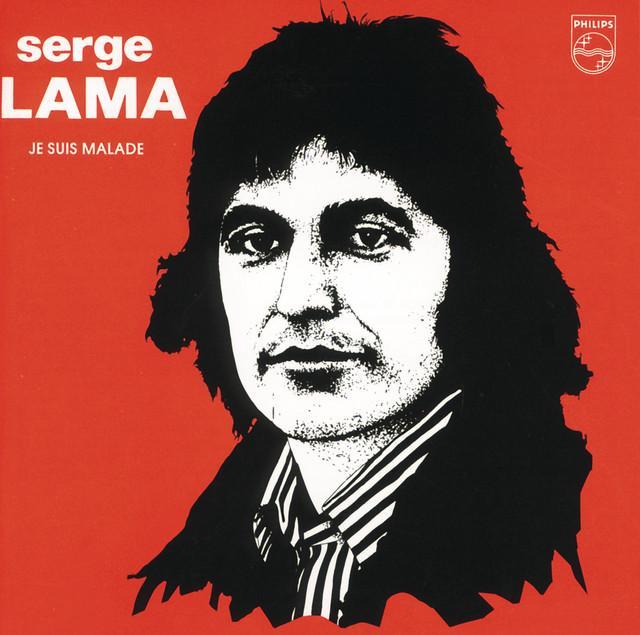
Why 'Je suis malade' Still Devastates
The meaning of Je suis malade Serge Lama comes down to one brutal idea: love has stopped feeling like love and started feeling like an illness. In this song, they present heartbreak not as sadness alone, but as total collapse—mental, physical, creative, and emotional.
"Je suis malade" - Serge Lama
Je ne fume plus
Je n'ai même plus d'histoire
Loading lyrics...
Unable to load lyrics
We're unable to display the lyrics at this time. Please try again later.
Released in 1973, the song was written by Alice Dona and Serge Lama, with music by Dona and lyrics by Lama. According to the documented release history, Lama’s original version first drew limited notice, while the song later grew into one of the signature works of his career; Dalida’s 1973 version also became widely successful. It is generally classified as a chanson or sentimental ballad, and it was produced by Orlando. Those facts help explain why the song feels so large: it belongs to a tradition where performance and emotional truth matter as much as plot.
A Love Song That Sounds Like Survival
What makes this song hit so hard is its scale. The speaker is not simply missing someone. They feel erased without that person. Early lines describe a life that no longer works: they do not dream, they do not smoke, they barely have a story anymore. When the song says Je suis malade
, it frames heartbreak as a condition that has taken over the whole self.
Interpretation: The song is about dependency as much as desire. The lover’s absence leaves the speaker feeling dirty, ugly, and cut off from ordinary life. That is why the song sounds less like a breakup diary and more like an emergency.

Watch the official Je suis malade
music video
The Deeper Wound Beneath the Romance
One of the most striking turns in the lyric links romantic pain to childhood abandonment. The song compares the present suffering to being left alone when their mother went out at night. That memory changes everything.
Comme quand ma mère sortait le soir
Et qu'elle me laissait seul
The idea is clear even in brief form: this love has reopened an older fear of being left behind. The partner is not just unreliable; they trigger a much earlier loneliness.
Interpretation: This is why the chorus feels bigger than jealousy or longing. The speaker is not reacting only to what the lover does now. They are reliving a pattern of abandonment that feels built into their emotional life.
How the Verses Build a Portrait of Ruin
The song keeps adding images that show how total this dependence has become. They describe a bed turning into a station platform, as if every private space has become a place of waiting. They drink, but every whiskey tastes the same. They look outward, but every ship seems to carry the same flag. In other words, the beloved is everywhere, and nothing offers escape.
A few key phrases carry that idea with real force: comme un orphelin
, accroché à toi
, and tu es partout
. Each phrase is short, but together they tell the story of a person who has lost distance, balance, and identity.
This is also where the song becomes more than romantic melodrama. The speaker admits exhaustion from pretending to be happy around others. That social mask matters. It shows they know how broken they seem, yet cannot stop the inward spiral.
Why the Chorus Feels So Unforgettable
The chorus works because it is simple, repeated, and absolute. Complètement malade
and later parfaitement malade
are not subtle phrases. They are extreme on purpose.
Instead of softening the feeling, the repetition intensifies it. Each return to the title suggests there is no progress, no healing, and no lesson learned. The speaker is still trapped inside the same state.
Interpretation: The chorus may also hint at performance itself. In French chanson, a repeated line can become almost theatrical—a declaration made for the back row. Here, that drama is the point. The song is trying to make private despair sound public and undeniable.
Sound, Style, and the Chanson Tradition
The production style matters to the meaning of Je suis malade. As a 1973 French ballad recorded at Studio Davout and produced by Orlando, the song comes from a performance tradition built on strong vocal delivery and swelling emotion. Rather than sounding restrained, it leans into drama.
That approach supports the lyric perfectly. The melody rises like a wave that cannot break gently. The arrangement gives the singer room to move from confession to near-collapse, which mirrors the text’s movement from emptiness to desperation.
For American listeners, it may help to think of it as part torch song, part theatrical confession. They do not need to understand every French word to hear what is happening. The pacing, vocal strain, and emotional crescendos all communicate the same thing: this person is overwhelmed.
Why the Song Endured After a Quiet Start
There is a strange irony in the song’s history. Contemporary accounts note that Lama’s original release was initially overshadowed, yet it later became one of the most emblematic songs in his catalog. That delayed recognition makes sense.
This is not a casual pop song. It asks for full commitment from singer and listener alike. But once audiences connected with it, they kept returning to it because its emotional logic is so clear. It turns heartbreak into a complete worldview.
Dalida, and later other singers, helped prove how flexible the song is. Different voices can sing it, but the central wound remains the same.
The Lasting Meaning of Je suis malade
So what is the meaning of Je suis malade Serge Lama? Most clearly, it is a song about love becoming indistinguishable from suffering. It shows how abandonment can shrink the self, revive childhood pain, and even silence a person’s art.
Interpretation: Some listeners will hear a warning about toxic attachment. Others will hear a portrait of depression expressed through romantic language. Both readings fit the song because it deliberately blurs emotional and physical illness.
In the end, that is why it lasts. It does not just say, “I miss you.” It says: without you, the whole world stops making sense.
Disclaimer: Song meaning is interpretive. This reading is based on the lyrics, documented song history, and musical context, but listeners may reasonably hear different shades of meaning.







