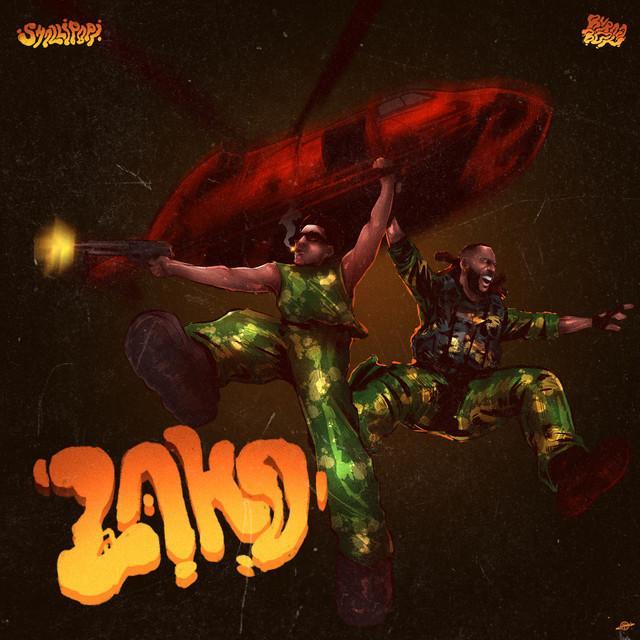
Laho II by Shallipopi, Burna Boy
Why the song feels bigger than a flex
The meaning of Laho II Shallipopi, Burna Boy starts with surface energy: fame, money, street pride, and enjoyment. But the song does more than celebrate success. It frames that success as something hard-earned, constantly watched, and always under threat.
"Laho II" - Shallipopi, Burna Boy
Ayy Dọmwan nọ make é noise wẹẹ evbana
Gunuvbẹ, shh
Loading lyrics...
Unable to load lyrics
We're unable to display the lyrics at this time. Please try again later.
Shallipopi, born Crown Uzama, built his style around Benin slang, clipped hooks, and a loose but magnetic delivery, while Burna Boy is one of Afrobeats’ biggest global stars. Their pairing makes sense because both artists know how to turn swagger into worldview. Here, they sound like men who are enjoying the spotlight while warning others not to mistake pleasure for weakness.
A chorus about money pressure and motion
The hook is the key to the song’s meaning. Shallipopi repeats laho
with lines about cash and dryness, including aza mwẹ dry
. Paraphrased, the chorus paints a familiar hustle problem: money can disappear fast, and that reality creates urgency.
Rather than explain itself in long sentences, the song uses rhythm like a chant. That matters. The repetition makes the message feel physical, almost like a crowd response. Interpretation: the hook sounds like a street-coded way of saying that survival and enjoyment happen at the same time. They can party, but they still keep one eye on the money.
Benin pride gives the song its backbone
Local references, global confidence
A major part of the song’s identity is its Benin grounding. The intro and spoken section mention places like Upper, Sapele Road, Ugbighoko, and Third Junction. Those references turn the track into a map of real social space, not just a generic Afrobeats banger.
That is important because Shallipopi’s rise has often been tied to his use of Edo and street language, a style covered widely in profiles of his breakout period. In this song, those details say: they did not become stars by leaving their roots behind. They brought those roots into the center of the record.
When the speaker suggests that someone should not talk carelessly in those streets, the tone changes. The song stops being only playful. It becomes about dignity, reputation, and knowing where someone comes from.
Burna Boy’s verse turns swagger into warning
Burna Boy enters with sharper edges. His lines include Don’t get it twisted
and No take my kindness for weakness
. Before and after those short phrases, the meaning is clear: public success does not erase personal boundaries.
He also pushes the song toward a harder truth about money and loyalty. When he says The money over their love
, he sounds less romantic than realistic. Interpretation: this is not necessarily greed for greed’s sake. It may be a survival mindset shaped by fame, business, and betrayal. In other words, money is not just pleasure here; it is protection.
That mood fits Burna Boy’s long-running persona. Across many songs, they often blend celebration with defiance. On “Laho II,” that instinct helps deepen the record. Shallipopi supplies the street bounce; Burna Boy adds veteran caution.
The song’s story in four quick moves
The track does not tell a strict plot, but it does move in stages:
- It opens with hometown pride and self-announcement.
- It shifts into celebrity life: cameras, women, alcohol, and attention.
- Burna Boy interrupts the party mood with rules about respect, business, and strength.
- The spoken street-roll call brings the song back to place, reminding listeners that status started somewhere real.
That structure explains why the record hits hard. It rises from local identity to fame, then circles back to the streets that taught them how to carry themselves.
How the production carries the message
The production supports the meaning by staying minimal, bouncy, and repetitive. The beat leaves room for voice texture, slang, and pauses. Instead of flooding the track with heavy melody, it leans on percussion and a hypnotic loop, which keeps the chorus sticky.
That sparse approach works well for Shallipopi’s style. They often sound conversational, like they are half-rapping and half-talking over the beat. On this song, that delivery makes the bars feel lived-in rather than polished. Burna Boy then arrives with more weight in his tone, which creates contrast without breaking the groove.
Interpretation: the sound mirrors the song’s worldview. It is controlled, unbothered, and efficient. Nothing is wasted, just as the lyrics argue that time, respect, and money should not be wasted either.
What “minister of enjoyment” really means
Late in the song, the phrase Minister of enjoyment
sounds funny and triumphant. But it also sums up the whole record. Enjoyment is not presented as innocence. It is a reward after pressure, risk, and hustle.
That is why the song never feels purely carefree. Even the wildest boasts sit beside reminders that people switch up, strangers watch closely, and home turf still matters. The artists are not simply partying; they are asserting control over the terms of that party.
Final takeaway on the meaning of Laho II Shallipopi, Burna Boy
The meaning of Laho II Shallipopi, Burna Boy is about more than flexing. It is a song about success with memory: enjoying money and status while remembering scarcity, street codes, and self-respect.
Shallipopi brings local color and chant-ready energy. Burna Boy brings gravity. Together, they make a track that celebrates movement, but never forgets the cost of getting there.
Disclaimer: This interpretation is based on the song’s lyrics, performance, and cultural context. As with any song, listeners may hear different meanings in it.







