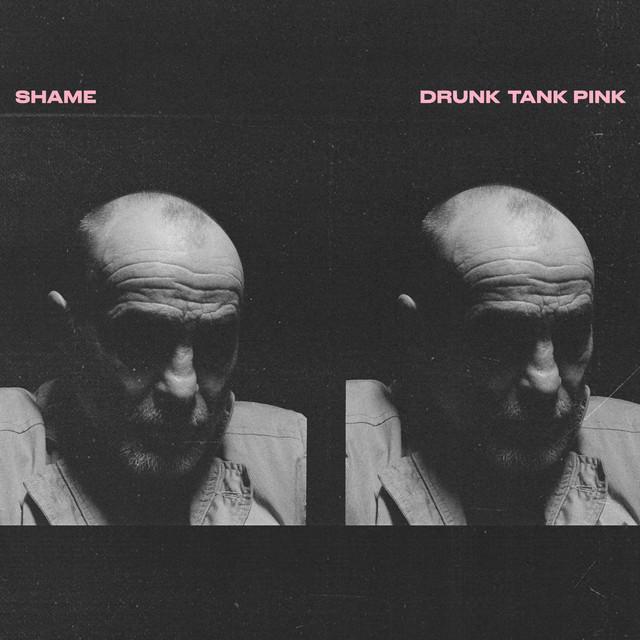
Alphabet by shame
The meaning of Alphabet shame starts with a simple idea: this is a song about being trained, corrected, and pushed to behave. In just a few lines, shame turn basic lessons, manners, and social rules into something uneasy. What should sound childish or harmless instead feels strict and controlling.
"Alphabet" - shame
I still don't know the alphabet
Don't forget your P's and Q's
Loading lyrics...
Unable to load lyrics
We're unable to display the lyrics at this time. Please try again later.
That tension is what gives “Alphabet” its power. The words are plain, but they point to bigger pressures: how people learn to perform, obey, and wait for approval. shame make that message sharper by pairing the lyrics with a clipped, restless post-punk sound.
The song turns learning into social control
At first glance, the title suggests childhood. The lyric I still don't know the alphabet
sounds almost silly. But the line does more than describe ignorance. It suggests a speaker who feels behind, unprepared, or unable to meet the rules that others expect them to know by now.
That idea grows when the song moves from the alphabet to manners. The phrase Don't forget your P's and Q's
points to polite behavior, not just language. In other words, the song connects education with discipline. It is not only about learning facts; it is about learning how to act in a system that rewards obedience.
Then the command Please smile when we tell you to
makes the song’s real tension obvious. The pressure is no longer subtle. The smile is not natural joy. It is performance.

Watch the official Alphabet
music video
Who is speaking, and who has the power?
One of the most interesting parts of the meaning of Alphabet shame is the shifting voice. The song uses first-person phrases, but there is also a strong sense of an outside authority. Someone is watching, instructing, and setting the standard.
That makes the speaker sound trapped between two roles. They are both the one being controlled and, maybe, someone who has learned to copy that control. The line Monkey see and monkey do
pushes that idea. It suggests imitation without reflection, as if behavior has become automatic.
Interpretation: the speaker may be criticizing society’s pressure to conform. But they may also be admitting their own participation in it. The song does not present them as fully innocent. Instead, it shows how people absorb the rules that shape them.
The chorus asks a painful question
The repeated question about whether someone is waiting to feel good is the song’s emotional center. It links obedience with the promise of future relief. If they follow instructions, pray correctly, and behave properly, maybe they will finally feel okay.
That is why the refrain lands so hard. It sounds less like comfort and more like delay. Happiness is always postponed. Fulfillment depends on passing some test that never quite ends.
Are you waiting
To feel good?
I'm still waiting
Like I should
This is the clearest summary of the song’s emotional trap. The speaker has internalized the system so deeply that even waiting feels like a duty. The phrase like I should
is especially bleak because it turns frustration into obedience.
Small lines, big themes
Even the song’s shortest statements carry a lot of weight. Now what you see is what you get
sounds blunt and open, but in context it can feel defensive. It may mean the speaker has nothing left to hide. Or it may suggest they have been flattened into a version of themselves built for others.
Another telling moment is the request to hold a hand and not be shy. On paper, it sounds warm. In the song, though, closeness feels mixed with instruction. Intimacy is not free from the larger system of performance and expectation.
Interpretation: this is one reason “Alphabet” feels unsettling. It blurs the line between care and control. The same voice that asks for connection may also be demanding compliance.
How shame’s sound deepens the meaning
shame emerged from South London’s post-punk scene, and their early work is known for nervous energy, sharp rhythms, and spoken-sung delivery, heard across their debut album Songs of Praise. That style matters here.
“Alphabet” does not need huge melodic flourishes to make its point. Instead, the band’s tight groove and repetitive structure mirror the lyric’s themes. The drums feel like a routine. The guitars jab rather than soothe. The vocal delivery often sounds half-detached, half-agitated, which fits a speaker caught between numbness and need.
This is where production informs meaning. The arrangement never fully relaxes, so the listener never gets the release the chorus keeps asking for. The music itself seems to be waiting.
Artist context helps explain the tension
shame have often been described as a band interested in the absurd and the ugly parts of modern social life, especially in live performance and early press around the band. That context supports reading “Alphabet” as a song about social conditioning rather than a literal lesson in childhood learning.
The band’s writing also tends to favor repetition and blunt phrasing over neat storytelling. In “Alphabet,” that approach works well because it recreates the feeling of hearing the same instructions over and over until they become part of someone’s inner voice.
Two strong ways to read the song
There is more than one fair reading of “Alphabet.” The best interpretations usually fall into two lanes:
- Social conformity: The song critiques the rules that teach people to be polite, obedient, and emotionally manageable.
- Personal insecurity: The speaker feels behind in life, unsure how to behave, and desperate for approval or relief.
These readings do not cancel each other out. In fact, they work better together. A person who feels inadequate is often more vulnerable to control. That overlap is the key to the meaning of Alphabet shame.
Why “Alphabet” lingers
“Alphabet” sticks because it makes ordinary language feel sinister. The song takes lessons, manners, prayer, and patience and turns them into signs of pressure. It is catchy, but its hook does not offer release. It offers a loop.
That is what shame do so well here. They make a small set of words suggest a whole system of behavior, then use tense music to show how hard that system is to escape.
Disclaimer: This interpretation is based on the song’s lyrics, performance, and publicly available artist context. Like most great songs, “Alphabet” can support more than one meaning.







