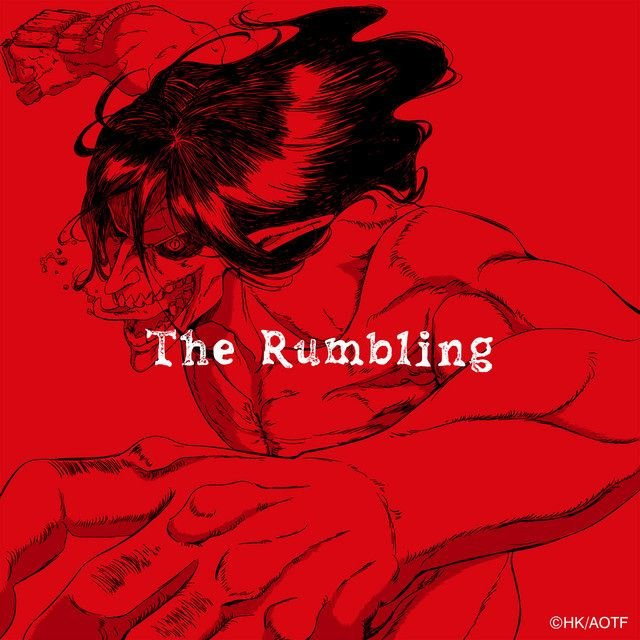
The Rumbling (TV Size) by SiM
What’s the meaning of The Rumbling (TV Size) SiM? In 90 pressure‑packed seconds, the opening theme to Attack on Titan: The Final Season Part 2 captures the voice of an anti‑hero who thinks catastrophe is destiny—and maybe justice.
"The Rumbling (TV Size)" - SiM
It's coming
Rumbling, rumbling
Loading lyrics...
Unable to load lyrics
We're unable to display the lyrics at this time. Please try again later.
A storm of guilt and destiny
The TV edit opens with alarms: Rumbling, rumbling
and It’s coming
. Before the guitars fully detonate, the scene is set—something unstoppable is on its way, and the narrator both drives it and dreads it.
They claim they only wanted to do right things
and save your life
. That contrast powers the song’s core tension: noble intent curdles into terror. In the Attack on Titan storyline, The Rumbling is the apocalyptic march of Colossal Titans. The lyrics mirror that shift from protector to destroyer, which aligns with the season’s focus on Eren’s grim resolve.
Watch the official The Rumbling (TV Size)
music video
Who’s speaking when the walls shake?
The voice is first‑person and conflicted, sounding like a leader who never sought the throne yet seized power anyway. The brief admission of innocence clashes with warnings like Beware
. That push‑pull reads as a confession to someone close—perhaps allies, perhaps the world beyond the walls—explaining why mercy has been replaced by inevitability.
Interpretation: the narrator is not asking for forgiveness. They are documenting the moment they chose horror over helplessness, convinced there is no other path left.
What the TV edit keeps—and why it works
Because it’s cut for TV, the 1:30 version moves fast: riff, verse, and a hook that locks in the thesis. It trims away the full track’s later developments, focusing on the immediate collision of resolve and ruin. That compression actually sharpens the message. The opening’s job is to snapshot the season’s stakes; here, the snapshot is a moral earthquake.
As the hook lands, the narrator vows not to turn away from the fallout:
If I lose it all, slip and fall I will never look away If I lose it all outside the wall
Interpretation: even if everything is sacrificed—reputation, comrades, life—the plan proceeds. “Outside the wall” widens the target from personal to global.
Symbols that pound like giant footsteps
- The title image: “the rumbling” is both a sound and a fate. It evokes marching Titans and the drumbeat of history.
- Walls: calling out “outside the wall” draws a line between home and enemy, us and them, safety and annihilation.
- Knives and kings: mentions of weapons and royalty hint at unwanted power—a ruler by necessity, not desire.
- Mist and blindness: being “in the deep mist” suggests moral fog. They move forward without full sight, yet refuse to look away.
Together, these symbols frame a classic anti‑hero turn: the protector becomes the threat in order, they believe, to protect again.
The sound of inevitability
SiM fuse metalcore muscle with cinematic scale: down‑tuned guitars, double‑kick drums, and choral‑string layers that make the mix feel both modern and mythic. The track sits in a dark minor key and races at a brisk tempo, building a sense of march‑like inevitability. Vocals flip from clean melody to near‑screamed grit, underlining the narrator’s strain.
According to band interviews, they added strings and choir to connect with the anime’s sweeping tradition, while keeping their signature heaviness. The full version even drops into a reggae‑tinged section later, but the TV Size stays locked on the charging front half—exactly what an opener needs.
Two plausible readings, one uneasy truth
- Interpretation 1: Eren’s inner monologue. The “I” is the protagonist accepting monstrous means to end a cycle of oppression. The repeated warnings aren’t pleas—they’re notifications.
- Interpretation 2: A broader war machine speaking. Strip away names, and it could be any leader who believes salvation demands atrocity.
Either way, the refrain’s refusal to avert one’s gaze makes the song less a hype track and more a statement: if you cheer for survival, you must also face the cost.
Why it resonated beyond the anime screen
The TV Size hooked millions because it sounded like the season felt: urgent, tragic, and larger than life. As an opening theme, it did more than brand an episode—it mapped the moral terrain viewers were about to cross. The song became SiM’s breakthrough in the United States, topping rock charts and earning wide recognition, a rare feat for an English‑language song from a Japanese band in this lane.
Final takeaway and disclaimer
The meaning of The Rumbling (TV Size) SiM centers on a hero’s confession: they didn’t want power, but they will use it to the bitter end. Whether listeners see defiance or damnation depends on how they weigh intent against impact.
Note: All lyric interpretations are subjective and reflect one close reading, informed by the song’s role in the series and publicly available facts.
Sources
- https://en.wikipedia.org/wiki/The_Rumbling
- https://www.animenewsnetwork.com/news/2022-01-09/attack-on-titan-the-final-season-part-2-op-song-artist-revealed/.181343
- https://www.billboard.com/pro/sim-the-rumbling-billboard-charts/
- https://jrocknews.com/2022/01/sim-the-rumbling-music-video.html
- https://pony-canyon.co.jp/news








