Why 'The Boxer' Still Hits So Hard
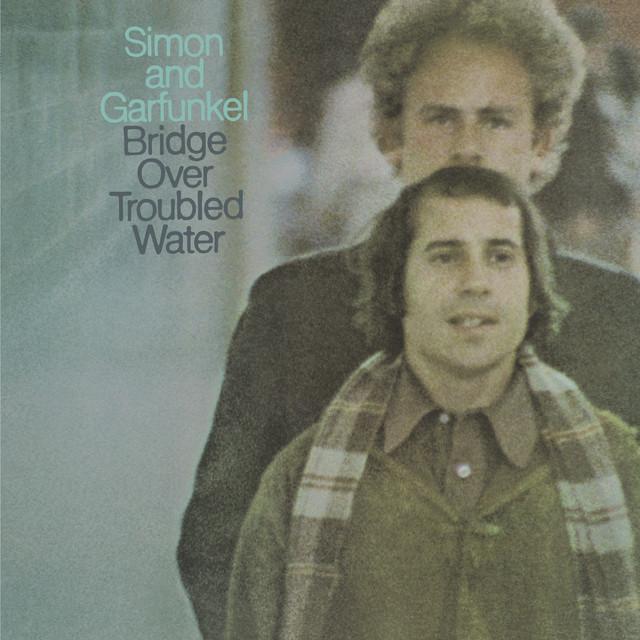
The meaning of The Boxer Simon & Garfunkel starts with a simple idea: a person gets bruised by life, but they keep standing. Paul Simon wrote the song, and Simon & Garfunkel released it as a non-album single in 1969 before it later appeared on Bridge over Troubled Water, according to standard discographies and label histories. That background matters because the song sits between folk storytelling and a bigger, more dramatic sound.
"The Boxer" - Simon & Garfunkel
Though my story's seldom told
I have squandered my resistance
Loading lyrics...
Unable to load lyrics
We're unable to display the lyrics at this time. Please try again later.
What makes it last is how personal and universal it feels at the same time. The narrator sounds like one lonely young man, but the song opens out into a wider portrait of hardship, pride, and survival.
A Story About Leaving Home and Losing Illusions
On the surface, the song follows a young person who leaves home too early and enters a world that feels cold and unforgiving. Early lines describe someone who is poor, unheard, and trying to make sense of empty promises. When the narrator says poor boy
and admits the story is seldom told
, the song frames him as both specific and invisible.
That invisibility is important. He is not presented as a hero in a glamorous way. He is one of many people trying to survive, especially in city spaces where strangers pass each other without much care.
The City Feels Like a Test
The middle verses move into labor, temptation, and loneliness. The narrator asks for honest work and gets nothing useful back. The mention of Seventh Avenue places the story in New York, and that urban setting makes the struggle feel sharper.
Interpretation: the city is not just a location. It represents modern life at its harshest: crowded, indifferent, and full of false offers. The phrase workman's wages
suggests dignity, while the refusal of that dignity shows how badly the world can fail ordinary people.
Watch the official The Boxer
music video
The Famous Refrain Is More Than Nonsense
The recurring lie-la-lie
hook is one reason the song is so memorable. It does not push the plot forward, but it does carry emotion. Instead of giving the listener more explanation, the refrain creates a space for feeling.
Interpretation: that wordless section can sound like a sigh, a wound, or a folk chant that keeps someone moving. It also softens the sharp realism of the verses. After scenes of fear, need, and disappointment, the melody rises into something almost communal, as if private pain has become public song.
What the Boxer Image Really Means
The final verse gives the song its defining symbol. The narrator is no longer just a drifter in the city. He becomes a fighter who has been hit again and again, yet still remains.
I am leaving, I am leaving
But the fighter still remains
This is the emotional key to the whole song. The voice says it wants to quit, but something deeper refuses surrender. The boxer carries every past defeat on his body. He remembers every blow, every cut, every moment of shame.
Interpretation: the boxer is not only a literal athlete. He stands for anyone who keeps going through humiliation, poverty, heartbreak, criticism, or exhaustion. That is why the image lands so strongly. It turns a private confession into a human truth.
How the Lines Connect to Bigger Themes
Several themes run through the song:
- Isolation: the narrator is surrounded by people yet deeply alone.
- Disillusionment: promises turn into noise and self-protection.
- Work and dignity: they seek fairness, not luxury.
- Endurance: pain does not erase identity.
One of the smartest lines in the song says a person hears what they want and ignores the rest. That thought reaches beyond the narrator. It suggests that self-deception is part of survival. People edit reality because the full truth can be too painful.
That idea deepens the meaning of The Boxer Simon & Garfunkel. The song is not just about outside hardship. It is also about the stories people tell themselves in order to keep living.
Sound, Production, and Why It Feels So Big
The production helps explain why the song feels both intimate and epic. Simon & Garfunkel were known for close vocal harmony and acoustic clarity, but this track expands that palette with strong percussion and a huge sense of space. The recording is especially famous for its drum sound, a striking hit heard in the later sections of the song, widely noted in studio histories around Bridge over Troubled Water.
That contrast matters. The acoustic guitar and lead vocal make the verses feel close, almost confessional. Then the larger arrangement enters and gives the struggle a mythic scale. The result is a song that sounds like one person speaking and a whole world answering back.
Artist Context Shapes the Meaning
Paul Simon has said the song was written during a period when he felt attacked by criticism, a point often cited in interviews and retrospectives about the track. That does not reduce the song to autobiography, but it gives useful context.
Interpretation: if the narrator partly reflects Simon, then the boxer is also an artist figure, someone absorbing public blows and trying not to break. Even so, the song works because it never stays limited to celebrity concerns. Its details belong to workers, migrants, loners, and anyone trying to hold onto self-respect.
Why the Song Endures
The lasting power of the song comes from its honesty. It does not promise victory, comfort, or neat closure. Instead, it honors persistence. The narrator may be cold, broke, ignored, and tempted to give up, yet they continue.
That is the heart of the meaning of The Boxer Simon & Garfunkel: life can hit hard, but endurance is its own kind of dignity. For many listeners, that message feels as true now as it did in 1969.
Disclaimer: This interpretation blends widely accepted context with informed reading of the lyrics. Like many great songs, "The Boxer" can support more than one meaning.







