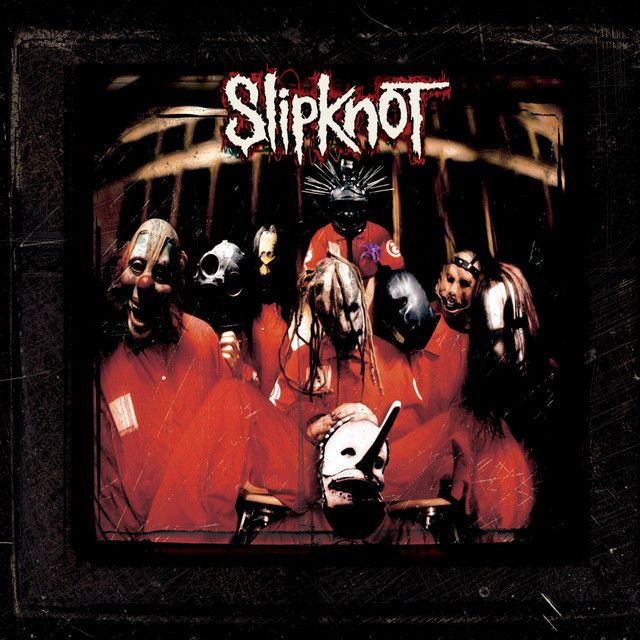
Get This by Slipknot
Slipknot's "Get This" is less a story than a detonation: two minutes of contempt, loyalty tests, and chaotic pride.
"Get This" - Slipknot
Provided by LyricFindFuck
Give me a scream, Corey
YeahLoading...Loading lyrics...
Unable to load lyrics
We're unable to display the lyrics at this time. Please try again later.
Why the meaning of Get This Slipknot hits so hard
The meaning of Get This Slipknot starts with one key idea: they are drawing a hard line between themselves and people they saw as opportunistic. According to background collected by the Slipknot fan archive, the song was aimed at a band from their past that felt entitled to share in Slipknot's success and kept asking to play shows with them. In that sense, the song is a rejection letter delivered at full volume.
That factual context matters because otherwise the track can sound like random rage. It is certainly aggressive, but the aggression has a target. When they spit lines like Get off of my back
and you suck, they suck
, they are not offering a thoughtful critique of music scenes. They are venting disgust at people they believed were clinging to them.
Interpretation: the song is also about self-protection. Slipknot present success as something they earned through struggle, not something they owe to anybody else.

Watch the official Get This
music video
From insult to mission statement
At first, "Get This" sounds almost cartoonishly offensive. That is part of its design. The song throws so many insults so quickly that it becomes a performance of total refusal. They are not negotiating. They are making it clear that no one gets close unless they respect the band's terms.
The repeated attacks on local bands
, U.S. bands
, and worldwide bands
widen the frame. Even if the original grievance was specific, the lyrics expand that anger into a broader anti-scene statement. They treat the whole ecosystem around heavy music as crowded with imitators, hangers-on, and people looking for a boost.
This is one reason the song still lands with fans. It captures a feeling many listeners understand even outside music: the resentment that builds when others only show up once success appears.
The chorus turns anger into tribal identity
The chorus is simple, crude, and easy to remember. That is exactly why it works. Instead of building a nuanced argument, Slipknot turn contempt into a chant. A chant creates a team. It separates insiders from outsiders in seconds.
The bridge sharpens that idea even more:
Life's so shitty
but ain't it great?
This is the song's most revealing moment. Beneath the insults, there is a worldview. They see life as ugly, exhausting, and hostile, yet they also find energy in surviving it. That contradiction sits at the heart of early Slipknot. Misery becomes fuel.
Then comes Get this or die
, a phrase that sounds less like a literal threat than a demand for total understanding. Either people grasp Slipknot's intensity, or they do not belong near it.
Noise with a purpose
The production carries as much meaning as the words. "Get This" appears on editions of Slipknot's 1999 self-titled debut, a record widely associated with producer Ross Robinson and the band's breakthrough period. The fan archive also notes that the voice yelling Give me a scream, Corey
is Robinson, which adds to the song's live, in-the-room chaos.
Musically, the track is barely over two minutes, and that brevity matters. There is no space for reflection. The drums hit hard, the guitars grind, and the vocals are barked more than sung. The song behaves like a sudden fight: quick, ugly, and over before anyone can calm it down.
Another detail from the same source is that bassist Paul Gray handles the repeated backing response in the chorus. That gang-style call and response makes the whole band sound united, as if the anger is communal rather than just one person's outburst.
Interpretation: the track's rough, compact design mirrors its message. Boundaries are not explained politely; they are enforced violently and fast.
A snapshot of early Slipknot's worldview
To understand the meaning of Get This Slipknot, it helps to place it inside the band's late-1990s identity. Early Slipknot built their reputation on extremity: masks, multiple percussionists, overwhelming volume, and an us-against-the-world posture. "Get This" strips that identity down to its rawest form.
There is almost no metaphor here. That bluntness is the point. Instead of hiding behind imagery, they present anger as a fact. In doing so, they dramatize the pressure of a band that felt surrounded, judged, and challenged even as it was rising.
At the same time, the song is so exaggerated that it becomes performance as much as confession. The nonstop profanity, the speed, and the taunting repetition make it feel theatrical. That does not make the emotion fake. It means Slipknot turn real resentment into spectacle.
Final takeaway on the song's message
"Get This" is about contempt for entitlement, refusal to share hard-won momentum, and pride in surviving ugly conditions. Its insults are crude, but the emotional logic is clear: they believed some people wanted access to Slipknot without understanding the struggle behind the band.
That is why the song still resonates. It is not subtle, but it is direct. It captures the thrill of drawing a line and daring the world to cross it.
Disclaimer: This interpretation combines documented background with lyrical analysis. As with most songs, listeners may hear different meanings in the same words.







