The Bringer by Soilwork
The meaning of The Bringer Soilwork centers on mental conflict. The song sounds like a fight scene, but the real enemy seems to be inside. Its speaker feels trapped by fear, pressure, and self-destructive thought patterns, then keeps reaching for a way back to balance.
"The Bringer" - Soilwork
We're down low no use to pretend
A bitter message from heaven sent
Loading lyrics...
Unable to load lyrics
We're unable to display the lyrics at this time. Please try again later.
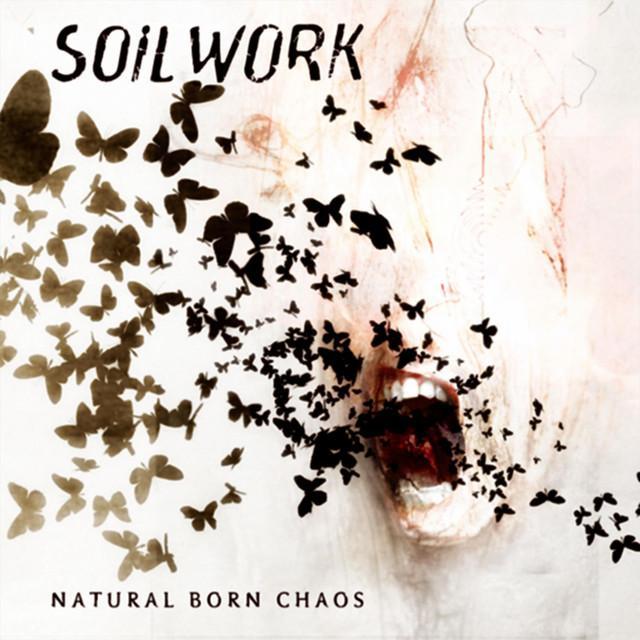
Released on Soilwork's 2002 album Natural Born Chaos, the track arrived during a key moment for the Swedish band. That record pushed their melodic death metal toward a sharper, more modern mix of aggression and melody. In that setting, “The Bringer” feels like one of the album's clearest portraits of inner collapse.
A Song About Losing Control From the Inside
At its core, the song describes a person who knows something is wrong but cannot easily remove it. Early lines frame a wider problem, almost like a warning to a group, before the focus narrows into private suffering. When the lyric says asleep at the wheel
, it suggests neglect, denial, and a dangerous lack of awareness.
That image matters because the song keeps moving between social language and personal pain. It starts with “we,” then sinks into “me.” This shift makes the struggle feel both individual and collective: one person is hurting, but they also live in a broken environment that feeds that hurt.
Interpretation: The “bringer” in the title may not be a hero at all. It may be the force that brings pain, panic, or harsh truth into someone’s life.

Watch the official The Bringer
music video
The Chorus Reaches for a Lost Self
The chorus is the emotional center. The repeated plea bring it back, bring it home
sounds less like romance and more like recovery. The speaker wants to return to a stable version of life, or perhaps to a former self that felt whole.
That idea is reinforced by the place I used to know
. The song does not describe that place in detail, which makes it powerful. It could mean mental peace, innocence, clarity, or simply control over one’s own mind.
Enough is enough, I'm alone
There comes a time
When this nightmare will turn to hate
This is the song’s turning point. The pain is not passive anymore. Isolation hardens into anger. Instead of only suffering, the speaker begins to fear what prolonged suffering can become.
Verse Images That Build the Mental Battle
Several images connect the song’s theme. The phrase stuck in an illusion
suggests confusion and false beliefs. The mind cannot trust what it sees. Then the song describes being forced into a “neurotic role,” which makes the crisis feel repetitive, like a script the speaker keeps acting out.
Another key phrase is mental battlezone
. That wording turns the mind into a war field. This is not sadness in a vague sense. It is constant conflict, pressure, and exhaustion.
The warning about speech also deepens the meaning. The lyric implies that words have consequences and can wound long after they are spoken. That opens one more reading: some of this suffering may come from emotional damage, judgment, or manipulation from other people.
How Soilwork’s Sound Carries the Meaning
“The Bringer” works because the music mirrors the lyrics. Soilwork were already known for combining death metal heaviness with strong melody, and on Natural Born Chaos they leaned further into that contrast. The album was produced by Devin Townsend and Fredrik Nordström at Studio Fredman, a pairing that helped give the record both force and clarity.
In this song, the guitars drive hard, but the hooks are memorable. That balance matters. The riffs create tension, while the melodic chorus sounds like the mind reaching for relief. Björn Strid’s vocal approach also adds meaning: harsh vocals express panic and rage, while the cleaner melodic lines feel closer to reflection or longing.
The rhythm section keeps the pressure high. Drums push the song forward with little room to rest, which fits a lyric about being haunted by something that never leaves me alone
. The arrangement makes the listener feel boxed in, then briefly lifted, then boxed in again.
Artist Context Helps Explain the Song
Soilwork’s early-2000s period was full of change. Natural Born Chaos was their fourth album, released by Nuclear Blast in March 2002. It was also the first to feature keyboardist Sven Karlsson and the first to show stronger alternative metal touches alongside melodic death metal. That broader sound gave the band more room to express emotional shades, not just speed and violence.
That context helps explain why “The Bringer” feels so layered. It is heavy, but it is also vulnerable. Rather than glorifying destruction, the song sounds like a person trying to survive their own mind.
Two Strong Readings of the Song
Interpretation 1: A portrait of depression or anxiety. The repeated pleas, isolation, and sense of an inner parasite all support this reading. The speaker does not just feel sad; they feel occupied by something invasive.
Interpretation 2: A critique of mass delusion. Because the song opens with a group address, it may also be about a culture sleepwalking into crisis. In this reading, the personal breakdown reflects a wider moral or social one.
Both readings can work at once. That is part of what makes the meaning of The Bringer Soilwork stick with listeners.
Why the Song Still Hits
“The Bringer” lasts because it gives extreme music an emotional job to do. It turns panic, alienation, and anger into a shape listeners can hear and release. The song does not offer a neat cure, but it does name the struggle clearly.
For many fans, that is enough. It says the mind can become a battlefield, and it says they are not strange for feeling that war.
Disclaimer: This article offers interpretation, not confirmed intent from the band. Song meanings can vary by listener.







