Why "Babe" by Styx Still Hits Home
The meaning of Babe Styx comes through with unusual clarity: this is a song about leaving someone they love, feeling the weight of that goodbye, and trying to reassure that person that the bond will hold. It sounds simple on the surface, but its staying power comes from how honestly it handles distance, need, and devotion.
"Babe" - Styx
I must be on my way
The time is drawing near
Loading lyrics...
Unable to load lyrics
We're unable to display the lyrics at this time. Please try again later.
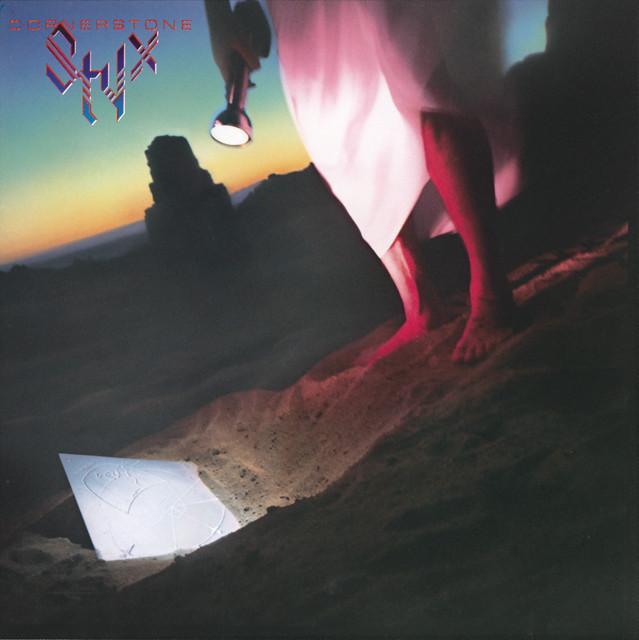
Released in 1979 as the lead single from Cornerstone, Babe became Styx's only U.S. No. 1 hit and their biggest UK hit, reaching No. 6. It was written by Dennis DeYoung, who reportedly created it as a birthday gift for his wife Suzanne before it was pulled into the album project. Those background facts matter because they help explain why the song feels so direct and personal.
A Goodbye Song That Refuses to Sound Cold
At its core, the song follows a speaker who is leaving and knows the departure hurts both people. Early on, the narrator says I'm leaving
and mentions a train, which gives the song a concrete image of departure. The travel detail is simple, but it turns emotion into action: this goodbye is happening now, not someday.
Just as important, the speaker notices the other person's pain. When the song refers to tears and need, it shows that the farewell is shared. This is not a selfish exit. They are trying to leave while still staying emotionally connected.
That is why the track feels tender instead of distant. The narrator is not running away from love; they are trying to protect it while being forced apart.

Watch the official Babe
music video
The Chorus Explains the Heart of the Relationship
If the verses describe separation, the chorus explains why the relationship matters so much. The repeated idea behind you know it's you babe
is that this partner is the one who restores the singer when life wears him down.
The key emotional move comes in phrases like giving me the courage
and the strength I need
. In plain terms, the song says love is not just romance. It is support, endurance, and emotional rescue.
This is what makes the meaning of Babe Styx more lasting than a standard goodbye ballad. The song is not only saying, "I will miss you." It is also saying, "You help me keep going." That makes the relationship feel lived-in and real.
A Simple Story With Real-Life Roots
One reason listeners have trusted the song for decades is that its backstory lines up with its emotional tone. According to Songfacts, DeYoung wrote Babe as a birthday present for his wife and did not originally plan for it to become a Styx release. The record company heard hit potential, and the band included it on Cornerstone.
That origin supports a straightforward reading. Interpretation: the song can be heard as the voice of someone leaving for the road, possibly reflecting touring life. That reading fits the lyrics about travel and reassurance, but it should still be treated as interpretation unless the writer states it directly in a primary source.
What is factual is that the song was born from a real relationship, and that sincerity gives it force. Even its plain language works in its favor. Nothing is hidden behind complicated symbolism.
How the Music Softens the Pain
The arrangement is a big part of the song's meaning. Wikipedia and Songfacts both note that DeYoung played a Fender Rhodes electric piano on the track, and that airy keyboard sound shapes the whole mood. Instead of heavy guitars or a dramatic rock attack, the song opens with warmth and space.
That softness matters. It lets the listener focus on vulnerability. Reviews from the period noticed this too, praising the polished singing, harmony layers, and gentle electric piano textures.
There is still a rock identity in the background, especially when the guitar solo enters. But the performance never turns the song into a power ballad in the later 1980s sense. It stays measured, intimate, and slightly fragile.
Why the Vocal Delivery Matters
DeYoung's lead vocal sells the emotion because he does not oversing the lines. Even when the chorus swells, the feeling remains pleading rather than theatrical. Songfacts also notes that he sang all the harmonies himself, which gives the track a unified, almost private sound.
That detail is easy to miss, but it deepens the effect. The stacked vocals make the song feel like one person trying to hold himself together through repetition and reassurance.
The Most Important Image Is Not the Train
The train image stands out, but the deeper symbol is the repeated reminder that the speaker's heart is in your hands
. Paraphrased, the message is that emotional control has been surrendered to the loved one. This is trust, but it is also risk.
That line turns the song from a travel ballad into a confession of dependence. The singer is admitting that absence is hard because love has made him vulnerable.
Babe, I'm leaving
Please believe me
Babe, I love you
Those short lines summarize the entire emotional arc: departure, reassurance, and devotion.
Why "Babe" Connected So Widely
Commercially, the song connected far beyond Styx's core rock audience. It topped the Billboard Hot 100 for two weeks in 1979 and won major crossover attention in adult contemporary formats. That success makes sense because the song speaks in broad, recognizable feelings: fear of distance, the need for reassurance, and gratitude for a steady partner.
It also helped that the writing is accessible. There is no puzzle to solve. Listeners hear the conflict immediately and can place their own lives inside it.
Final Take on the Meaning of Babe Styx
The meaning of Babe Styx is the emotional strain of leaving someone they love, paired with a sincere promise that the connection remains the singer's source of strength. Its power comes from direct writing, gentle production, and a performance that sounds personal rather than flashy.
Interpretation disclaimer: song meaning is never fully locked. This reading is based on the lyrics, recording details, and documented background, but listeners may still hear their own experiences in it.







