Why 'Institutionalized' Still Feels Misunderstood
The meaning of Institutionalized Suicidal Tendencies starts with a simple fear: being judged before anyone truly listens. On the surface, the song sounds frantic, funny, and chaotic. Underneath, it is a sharp story about alienation, family pressure, and what happens when frustration gets labeled as insanity.
"Institutionalized" - Suicidal Tendencies
And it just doesn't work out the way I want it to
And I get real frustrated
Loading lyrics...
Unable to load lyrics
We're unable to display the lyrics at this time. Please try again later.
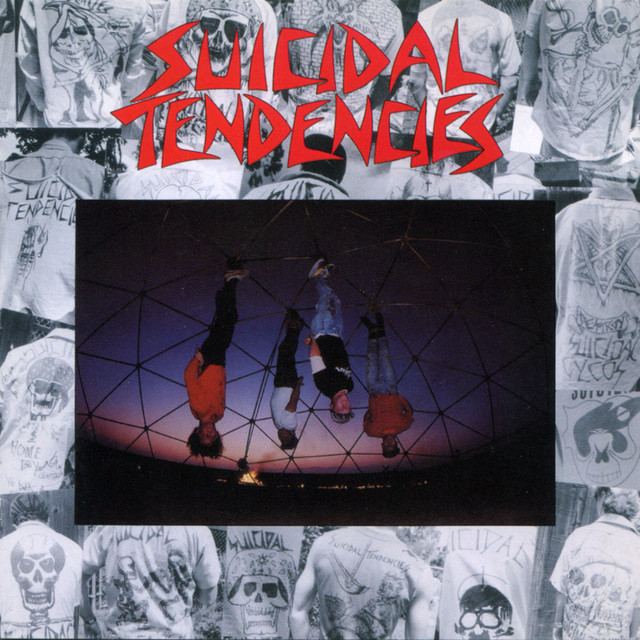
Released by Suicidal Tendencies on their self-titled debut album in 1983, the track became one of the band’s signature songs and a landmark of hardcore punk’s crossover into metal energy. It is widely credited to Mike Muir and Louiche Mayorga, the band’s vocalist and bassist, respectively. Those facts matter because the song feels built from lived-in detail rather than abstract rebellion.
The Real Conflict Hiding in Plain Sight
At its core, the song follows a narrator who insists they are not broken, even as everyone around them acts like they are. The verses pile up examples of private thought, everyday frustration, and family concern. But instead of leading to understanding, those moments escalate into threats of institutional control.
That is why the repeated idea of being institutionalized
lands so hard. The word is not just about a hospital or a diagnosis. In the song, it becomes a symbol for losing their voice to parents, professionals, and social norms.
Interpretation: The track is less about denying mental illness in a medical sense and more about protesting the speed with which people get categorized. The narrator feels unheard first, then managed.

Watch the official Institutionalized
music video
A Story About Misreading Behavior
One reason the song remains so memorable is its detailed spoken-word storytelling. Mike Muir delivers long passages like an argument already in progress. That style makes the listener feel trapped inside the narrator’s head.
The famous household scene captures this perfectly. The narrator says they are just thinking, but their mother assumes something is badly wrong. The request for just one Pepsi
becomes absurd and sad at the same time. It is a small, almost comic image, yet it shows the song’s larger point: even ordinary behavior can look suspicious when trust has already collapsed.
Another key phrase, I’m not crazy
, is less a diagnosis than a defense. They keep repeating it because nobody accepts their self-description. The song’s tension comes from that gap between self-knowledge and outside judgment.
The Hook Turns Frustration Into Social Critique
The chorus pushes the song beyond one family argument. When the narrator says others will see their way
, the fear is not only confinement. It is enforced conformity.
That gives the track a broader cultural meaning. In early 1980s Los Angeles punk, distrust of authority ran deep, whether the authority was police, schools, parents, or other institutions. Suicidal Tendencies emerged from that scene with a style that blended hardcore aggression and metal heaviness, and this song captures both impulses.
They stick me in an institutionsaid it was the only solution
Those lines summarize the narrator’s complaint: help is presented as necessary, but it feels imposed. The problem, from their view, is not only treatment. It is power.
How the Sound Sells the Meaning
The production is raw, fast, and tense, which is exactly what the subject needs. The guitars hit with a clipped, aggressive drive, and the rhythm section keeps the track moving like a panic spiral. Nothing about the arrangement sounds calm or reflective.
That matters because the music mirrors the narrator’s emotional state. The song does not merely describe pressure; it creates pressure. Muir’s half-spoken, half-shouted performance is especially important. He sounds defensive, exasperated, and theatrical all at once, which helps the song balance dark humor with real distress.
Interpretation: The track works because the band does not separate comedy from pain. The ridiculousness of the Pepsi argument makes the alienation more believable, not less. Many listeners recognize that feeling of being treated like a problem when they are only trying to explain themselves.
More Than Rebellion for Rebellion’s Sake
It would be easy to hear the song as a teenager’s rant against parents. There is some truth in that. But the meaning of Institutionalized Suicidal Tendencies is bigger than simple anti-adult anger.
The narrator also questions systems that claim to know a person better than they know themselves. When they point to school, church, and social rules, they are asking a hard question: if someone follows society’s path and still feels trapped, who gets to define normal?
That question helps explain why the song has lasted. It speaks to young listeners, but not only to them. Anyone who has felt talked over by authority can recognize the emotional logic. The song exaggerates for effect, yet its core experience is common: the fear of being reduced to a label.
Why It Still Connects Today
Part of the song’s legacy comes from its crossover appeal. Punk fans hear its anti-authoritarian bite. Metal fans hear its weight and attack. Casual listeners often remember the humor first, then realize the story is darker than it seemed.
Its staying power also comes from ambiguity. Interpretation: Some hear a satire of suburban panic. Others hear a genuine cry against coercion. Both readings fit because the song lives in that unstable space where concern and control blur together.
Final Take
So, what is the song really saying? The meaning of Institutionalized Suicidal Tendencies is that being misunderstood can become its own kind of prison. The song turns a personal meltdown into a broader warning about labels, authority, and the danger of deciding someone’s truth for them.
That is why it still hits decades later: it sounds wild, but its emotional question is painfully familiar.
Disclaimer: This interpretation focuses on themes, context, and musical choices. As with any song, listeners may reasonably hear different meanings in it.







