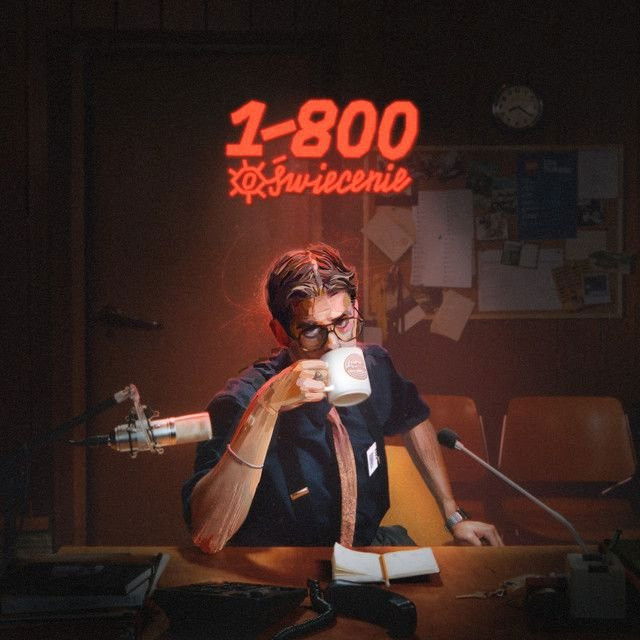
Why “Może To Coś Zmieni?” Hits So Hard
The meaning of Może To Coś Zmieni? Taco Hemingway, @atutowy, Borucci starts with a simple but painful idea: people keep telling themselves that the next thing will fix them. In this song, that “thing” changes shape over and over—weed, alcohol, fitness, gambling, sneakers, designer labels, even a new phone—but the emotional pattern stays the same.
"Może To Coś Zmieni?" - Taco Hemingway, @atutowy, Borucci
Wszyscy jesteśmy uzależnieni
W liceum paliłem skuna z Ochoty, chłop uczyć nie musiał się chemii
Loading lyrics...
Unable to load lyrics
We're unable to display the lyrics at this time. Please try again later.
Rather than preaching, they build the track like a running confession. The hook keeps circling back to the same hope, and that repetition is the point. It sounds less like confidence than desperation.
A Song About Addiction in Many Forms
At the most direct level, the song says wszyscy jesteśmy uzależnieni
—everyone is addicted. That line opens the door to a much wider subject than substance abuse. The verses move through different stages of life and different compulsions, showing how one habit can be traded for another without solving the deeper problem.
They begin with youth and intoxication, then shift into student life, where drinking takes over. Later, even self-improvement becomes another possible obsession. The song does not claim that exercise is bad. Instead, it suggests that even healthy routines can be loaded with the same fantasy: if they hit one more target, then maybe life will finally feel right.
That is why the refrain matters so much. The phrase może to coś zmieni
means “maybe this will change something,” and it sounds like the inner slogan behind every compulsive choice in the track.
The Verses Move From Confession to Diagnosis
One of the song’s smartest choices is its structure. The first part feels personal. They describe a younger self chasing altered states and later noticing dishonesty in the mirror. The emotional center is not the substance itself, but the belief that relief is always one step away.
Then the song expands outward. Friends appear: one trapped in casino logic, another tangled in sports betting, another spending beyond their means on fashion. These examples are vivid because they are ordinary. The track is not describing rare collapse; it is describing daily, socially accepted compulsions.
A Short Timeline of the Song’s World
- Early escape through drugs.
- Student-age drinking and self-deception.
- A switch into heavy training and body goals.
- Friends lost in gambling and betting culture.
- Consumerism presented as another fake cure.
That progression makes the song feel bigger than autobiography. Interpretation: they may be showing that modern life constantly offers new ways to avoid emptiness while pretending to heal it.
Why the Chorus Feels So Sharp
The direct question to the listener is crucial. They ask where happiness is being sought: in alcohol, smoking, food plans, phones, or other habits. This turns the track from a personal diary into a social mirror.
The brand-roll in the chorus sharpens that point. When they list Porsche, Chevy, Moncler, Celine
, the names hit like advertising slogans. But instead of sounding glamorous, they feel mechanical. The song mimics the language of desire to show how empty it can become.
Weź forsę, przelicz i możeMój Boże, źle mi, lecz może
Those lines capture the core emotional loop: count the money, buy the thing, still feel awful, hope again anyway. It is bleak, but also darkly funny in the way Taco Hemingway often writes—sharp, observant, and a little exhausted.
Sound and Production: Why the Message Lands
Even without overcomplicated production notes, the track’s likely appeal comes from contrast. The repeated hook is catchy, almost chant-like, which mirrors how addiction itself works: repetitive, seductive, hard to break. A polished rap-pop surface helps the criticism land because it places the listener inside the same tempting world the lyrics are questioning.
That matters for the meaning of Może To Coś Zmieni? Taco Hemingway, @atutowy, Borucci. If the beat feels sleek or addictive, that is not a contradiction. It underlines the song’s message by making temptation sound good while the words explain the cost.
The credited writers provided in the song information—Adam Wiśniewski, Edyta Bartosiewicz, and Filip Szczęsny—also hint at a layered construction, where a memorable refrain supports a broader social critique.
The Song’s Biggest Theme: Substituting One Fix for Another
The most interesting part of the song is that it refuses easy categories. A person can quit one harmful habit and still keep the same mental pattern. The lyric about lifting more weight is funny on the surface, but it also shows how achievement can become another emotional bargain.
So the song is not simply anti-drug, anti-shopping, or anti-gambling. It is anti-illusion. It challenges the idea that satisfaction can be purchased, consumed, worn, inhaled, trained, or won.
A Broader Reading
Interpretation: they may also be criticizing modern capitalism itself. The song suggests that people are constantly being sold identities and upgrades. Years ago, small joys were enough; now the pressure to optimize, display, and consume never stops.
That makes the track feel especially current. Betting apps, luxury branding, phone culture, and lifestyle obsession all blur together into one economy of craving.
Final Take on the Song’s Meaning
In the end, the song is about the human habit of outsourcing change. Instead of facing pain directly, people chase the next object or ritual and hope it will rescue them. That is why the refrain keeps returning: it is not just a lyric, but the lie people tell themselves when they are afraid nothing deeper will change.
For many listeners, that is exactly why the song lands. It is catchy enough to feel familiar, but honest enough to sting.
Disclaimer: This interpretation is based on the lyrics provided and publicly available song information. As with any song, listeners may hear meanings that differ from this reading.







