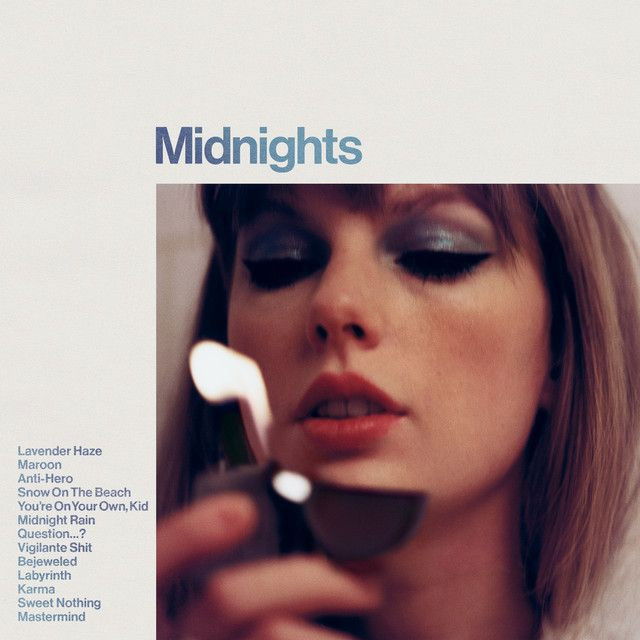
Bejeweled by Taylor Swift
They come to this track asking a simple question: What is the meaning of Bejeweled Taylor Swift? At heart, it’s a glittering pop note to self—an anthem about rediscovering value after being dimmed. On Midnights, Swift turns confidence into a hook you can dance to, making shine a choice, not a reaction.
"Bejeweled" - Taylor Swift
Didn't notice you walking all over my peace of mind
In the shoes I gave you as a present
Loading lyrics...
Unable to load lyrics
We're unable to display the lyrics at this time. Please try again later.
Confidence that Cuts Through the Glitter
The core message is re-centering the self. The narrator recognizes she’s been taken for granted, then asserts, in plain terms, that she’s still bejeweled
. That declaration isn’t revenge; it’s recovery. The glow is internal, and the sparkle is evidence of boundaries rebuilt.
A second recurring line—I polish up real nice
—frames confidence as a practice. It’s about effort, self-respect, and showing up. In this reading, the jewels aren’t status symbols; they’re the visible result of care after neglect.

Watch the official Bejeweled
music video
Who’s Talking, and Who Needs to Listen?
The voice is first person, addressing a partner who didn’t value her. She asks not to be minimized: Don't put me in the basement
. Instead, she wants the penthouse of your heart
, a vivid image of standards. The person being addressed could be a literal ex, but the stance stretches to anyone who underestimated the narrator—critics, peers, even the public.
From Dimmed to Dazzling: A Simple Timeline
- They realize they’ve been too accommodating and set a boundary.
- They step out with autonomy, a night framed as freedom rather than spite.
- They acknowledge grief—
Sapphire tears on my face
—but refuse to let sadness define their worth. - They return to the room and, through presence alone,
make the whole place shimmer
. - Their takeaway: shine is not granted by others; it’s chosen.
The Chorus as a Power Switch
The chorus doubles as a mantra. It flips the verses’ frustration into a confident, social moment: walking in, commanding space, answering questions on her terms. Rather than pleading to be seen, the refrain treats visibility as self-directed—a reminder that the mirror belongs to the narrator.
Jewels, Elevators, and Fairy Tales—Symbols that Shine
Gem language translates inner value into visible light. Diamonds and sapphires suggest durability and clarity; the polish metaphor turns self-care into sparkle. The basement-versus-penthouse contrast sketches how love should feel: not hidden away, but celebrated.
The music video extends these ideas with a Cinderella storyline and a starry cast. Swift ascends by elevator, performs a dazzling routine, and finally rejects the prince’s proposal. The ending recasts happily-ever-after as autonomy, not approval. Cameos and burlesque winks add playfulness, but the thesis stays firm: the crown is self-bestowed.
Sound Design That Mirrors the Sparkle
Produced by Taylor Swift and Jack Antonoff, the song is brisk synth-pop with bubblegum gloss and hints of disco. Shimmering arpeggios ripple like light through cut stone, while crisp percussion keeps it strutting. The mix is bright but not brittle, aligning the sonic texture with the lyrical glow.
This sound also marks a pop re-entry after her folk detour. The radiant palette underlines the theme—confidence as color and motion. Every pinging synth feels like another facet catching light.
Alternate Angles Worth Considering
- Interpretation: A career statement. Many hear the track as Swift reminding pop audiences that, post-folk era, she still commands the room. The lyric stance and glossy production make the point without naming names.
- Interpretation: A boundary-setting love song. The basement/penthouse contrast reads as a relationship rubric—what it means to be cherished versus sidelined. The narrator isn’t begging for more; she’s defining minimums.
Takeaway: The Shine You Author
If you’re searching for the meaning of Bejeweled Taylor Swift, here it is: self-worth reclaimed, set to synths. The narrator honors her hurt, then chooses radiance anyway. It’s less about winning someone back and more about winning herself back.
Disclaimer: Song interpretations are subjective; this analysis reflects one well-supported reading alongside known context.








