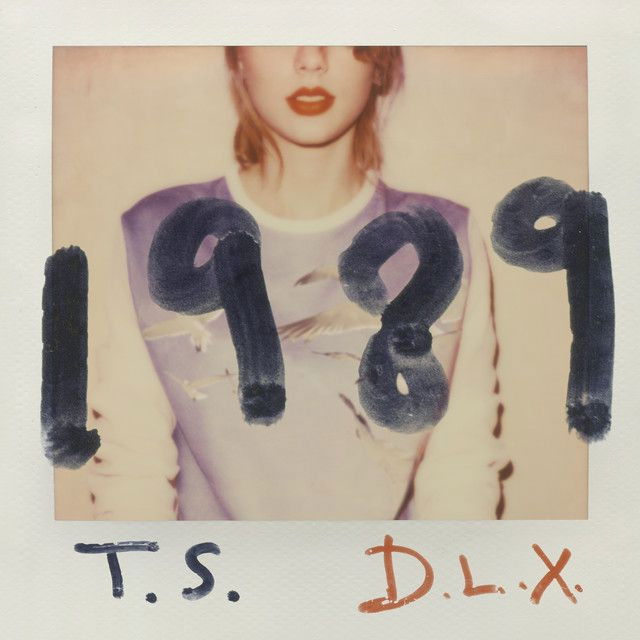
Wonderland by Taylor Swift
A romance that feels magical and unsafe
The meaning of Wonderland Taylor Swift centers on a relationship that feels thrilling, secretive, and unstable at the same time. In the song, they describe two people falling hard into a romance that seems dazzling at first, then slowly turns disorienting. The title image matters because “Wonderland” is not just a fantasy world. It becomes a metaphor for love that looks exciting from the outside but makes both people lose their sense of direction.
"Wonderland" - Taylor Swift
Took a wrong turn and we
Fell down a rabbit hole
Loading lyrics...
Unable to load lyrics
We're unable to display the lyrics at this time. Please try again later.
This track appears on the deluxe edition of 1989, the album Swift described as her first “official pop album” in materials around its release and coverage by Wikipedia. That context helps. 1989 is full of bright pop surfaces, but many songs hide anxiety under the shine. “Wonderland” fits that pattern perfectly: big hooks, nervous energy, and a story about the cost of getting swept away.
Watch the official Wonderland
music video
Why the Alice in Wonderland imagery matters
Swift builds the song around Lewis Carroll references, but they are easy to follow even for listeners who do not know the book well. Early on, they frame the relationship as fell down a rabbit hole
. In plain terms, that means they entered something deep and strange before they fully understood it.
The song also hints that curiosity itself is dangerous. The line about curious minds
suggests that attraction and risk are tied together. They know they should be careful, yet the danger is part of the pull.
Another key image is the lover’s green eyes
, which many listeners connect to the Cheshire Cat. That reference gives the romance a teasing, slippery quality. The other person seems charming but hard to trust, as if they can appear, vanish, and leave confusion behind.
The story moves from rush to wreckage
Narratively, “Wonderland” is one of Swift’s clearest cautionary tales. The opening presents a fast beginning, where passion beats reason. They know people warned them not to move too quickly, but they ignored those warnings because everything felt new.
From there, the private fantasy becomes public pressure. The song says there were outsiders watching, then whispering, then turning those whispers into louder judgment. That detail expands the meaning. This is not just about two people making bad choices. It is also about how attention from other people can intensify a fragile relationship.
The chorus sums up the contradiction at the heart of the song. Their love was never worse but never better
. That phrase captures emotional whiplash: the romance gave them their highest highs and lowest lows at once. It felt unforgettable precisely because it was unsustainable.
What the chorus says about addiction to intensity
The chorus does not describe healthy love. It describes being lost inside a feeling. When they repeat that they found Wonderland
, the phrase sounds triumphant on the surface. But each repetition also sounds like a warning. They did not build a home there; they got lost there.
That difference is the point. The relationship gives them intensity rather than security. They mistake emotional extremes for something lasting, and the chorus exposes that mistake.
We found Wonderland
You and I got lost in it
And we pretended it could last forever
This is the song’s emotional core. In paraphrase, they admit that both people helped create the fantasy, and both knew—at least deep down—that it was temporary.
Sound and production: pop sparkle with panic underneath
Production is a big part of why the song lands so well. “Wonderland” was written by Swift, Max Martin, and Shellback, with Martin and Shellback producing the original version. According to the song’s documented credits and reception collected by Wikipedia, critics often praised its booming synths and sticky melody.
Those sounds support the lyric meaning. The synthesizers and programmed drums feel sleek and exciting, but the beat also has a restless push. Instead of sounding warm or settled, the track sounds like it is always leaning forward. That creates the feeling of a romance spinning too fast to control.
Swift’s vocal delivery matters too. They move between breathy wonder and sharper urgency, which mirrors the song’s emotional split. Even when the melody lifts, there is tension in the phrasing. The music makes “Wonderland” sound fun and dangerous at the same time.
Context inside Taylor Swift’s career
Within 1989, “Wonderland” works as a deep cut that sharpens the album’s larger themes: image, reinvention, desire, and fallout. The album often pairs glossy pop design with stories of confusion or heartbreak. “Wonderland” may be a bonus track, but many fans and critics have treated it as underrated because it captures that mix so well.
Interpretation: Some listeners hear the song as a portrait of a high-profile relationship damaged by outside scrutiny. The details about being watched and talked about support that reading. Still, the song also works more broadly as a story about any romance that turns intensity into its own trap.
Final takeaway on the song’s message
The meaning of Wonderland Taylor Swift is less about fantasy than about illusion. They describe love as a place built from excitement, secrecy, and mutual denial. It feels magical while it lasts, but the same qualities that make it irresistible also make it unstable.
In the end, the song’s power comes from that double truth: some relationships feel life-changing because they are beautiful, and because they are impossible. “Wonderland” does not celebrate chaos. It remembers how easy chaos can be to mistake for destiny.
Disclaimer: This interpretation is based on the released lyrics, production, and public context. As with most songs, listeners may connect to different meanings.







