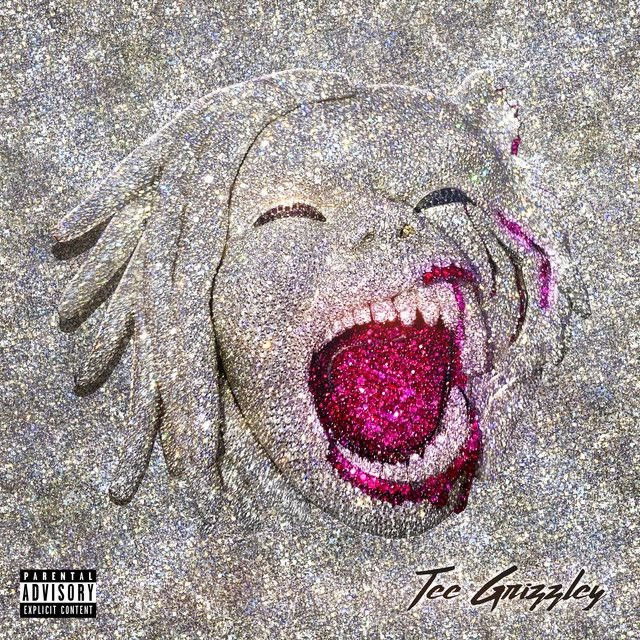
Robbery Part 3 by Tee Grizzley
A prison epic about loyalty breaking apart
The meaning of Robbery Part 3 Tee Grizzley centers on what happens after the crime story usually ends. Instead of focusing on the robbery itself, the song drops the listener into prison, where the real damage shows up: isolation, betrayal, paranoia, and the need to survive.
"Robbery Part 3" - Tee Grizzley
On the prison bus, can't jump out the window, it's a gate
See it in my face, I got a L in the state
Loading lyrics...
Unable to load lyrics
We're unable to display the lyrics at this time. Please try again later.
Tee Grizzley released “Robbery Part 3” on the 2022 mixtape Half Tee Half Beast, part of a recurring “Robbery” series in his catalog. That matters because the series works like an ongoing street saga, returning to the same ideas of crime, punishment, and consequence. In the background, Grizzley’s own history with robbery convictions and prison time gives the track extra weight, even if the song should not be treated as a line-by-line legal record of real events.
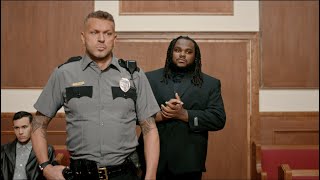
Watch the official Robbery Part 3
music video
Where the story starts: prison as a trap
The opening places the narrator on a prison bus, already cut off from freedom. A short phrase like “on the prison bus”
does a lot of work. It shows there is no dramatic escape here. The song begins after the fall.
From there, the verses build a world where prison is both physical and emotional. The narrator deals with racial tension, fear, and the shock of being left alone. Then the song adds a deeper wound: the people outside are not holding him down. His girlfriend keeps the money. His mother is unreliable. Friends disappear.
That is why the track’s emotional center is not just prison violence. It is abandonment. When the song later says “my sharks let me drown”
, it sums up the whole feeling. The people who should have protected him either fail him or use his absence for their own gain.
Betrayal hurts more than the sentence
One of the strongest parts of the song is how it links money to trust. The narrator leaves resources behind, expecting loyalty, but learns that prison changes every relationship. People begin acting like he is already gone.
This section gives the song its real sadness. In many street narratives, prison is framed as a badge of toughness. Here, it looks more like social death. He cannot touch his money, cannot control his image, and cannot stop people from replacing him.
“Locked up, washed up”
“My baby left me to die”
Those lines are simple, but that is why they land. They turn the character from aggressor into someone crushed by neglect. Interpretation: Tee Grizzley seems less interested in proving toughness here than in showing how fast a person’s whole world can collapse once they lose freedom.
Violence as control, not victory
Midway through, the song becomes a revenge story. After being robbed in his cell, the narrator decides to strike back. The details are graphic, but the important point is not the body count. It is the psychology.
He has lost power everywhere else, so violence becomes the only language he feels still works. When he says “I’ma strike”
, the threat is less about pride than about regaining control in a system built to strip it away.
This is also where the writing shows Tee Grizzley’s storytelling skill. He moves scene to scene with clear action, quick dialogue, and sharp turns. The pacing feels like a film. There is setup, a false lead, a hidden attack, and then punishment from the authorities. That structure keeps the song gripping even when the emotions are bleak.
The letter changes everything
The biggest twist comes when a woman tied to the case reaches back out. Earlier in the song, she is part of the betrayal. Later, she becomes the reason the narrator might get out. That reversal gives the track one of its most interesting ideas: the same person can be both destroyer and rescuer.
This plot turn also connects to the artist’s broader themes. Tee Grizzley has often turned real hardship into rap narratives, and his work after prison has repeatedly explored survival and transformation. Around Half Tee Half Beast, he described the project’s idea by saying that what he lived through made him a “beast,” a brief artist statement that frames the mixtape as music shaped by endurance.
In the courtroom scene, the song moves from darkness to release. The case falls apart. The narrator gets his life back. For a moment, the story sounds redeemed.
Why the ending is darker than it looks
But the ending does not offer real peace. After freedom, the narrator immediately returns to old thinking: revenge, business, unfinished grudges. Most strikingly, he decides the woman who helped him cannot be trusted because she once lied before.
That final logic is central to the meaning of Robbery Part 3 Tee Grizzley. Prison may end, but the prison mentality does not. The song suggests that trauma keeps shaping choices even after the cell door opens.
Interpretation: this makes the ending tragic, not triumphant. Freedom arrives, but healing does not. The narrator is home, yet still emotionally trapped in suspicion and retaliation.
How the sound carries the message
The production, credited to Jonathan Rotem along with Tee Grizzley as a writer, helps the story feel tense and cinematic. The beat stays dark and controlled instead of overly flashy. That choice leaves room for Grizzley’s voice, which does most of the dramatic work through pacing and emphasis.
He sounds direct rather than poetic for poetry’s sake. That plainspoken delivery makes lines like “can’t even cry”
hit harder. The song does not need a big melodic hook to create emotion. Its power comes from storytelling pressure, steady rhythm, and a mood that never fully relaxes.
Why this song matters in Tee Grizzley’s catalog
“Robbery Part 3” sits on Half Tee Half Beast, released April 15, 2022, and the title fits the project well. Tee Grizzley’s career has long been tied to music about consequences, prison, and survival, from his documented incarceration before rap success to breakout songs built on firsthand intensity. In that context, this track feels like a concentrated version of his core themes.
It is not just a crime tale. It is a story about what prison reveals: who loves, who leaves, and what kind of person comes back out.
Final takeaway
The meaning of Robbery Part 3 Tee Grizzley is ultimately about betrayal under pressure. The song argues that prison does not only punish the body. It exposes weak loyalty, deepens rage, and leaves scars that can outlive the sentence.
That is why the song lingers. Its biggest robbery is not money or freedom. It is trust.
Disclaimer: This interpretation is based on the lyrics, release context, and publicly known background. As with any narrative rap song, some details may be dramatized or fictionalized for storytelling effect.









