Over the Wall by Testament
Why This Early Thrash Classic Still Hits
The meaning of Over the Wall Testament starts with a simple story: a prisoner decides that staying locked up is worse than the risk of escape. But the song works because it is more than a prison break tale. Testament turn that moment into a portrait of panic, rage, and raw survival instinct.
"Over the Wall" - Testament
Trapped in by fear
Ordered for the rest of my life
Loading lyrics...
Unable to load lyrics
We're unable to display the lyrics at this time. Please try again later.
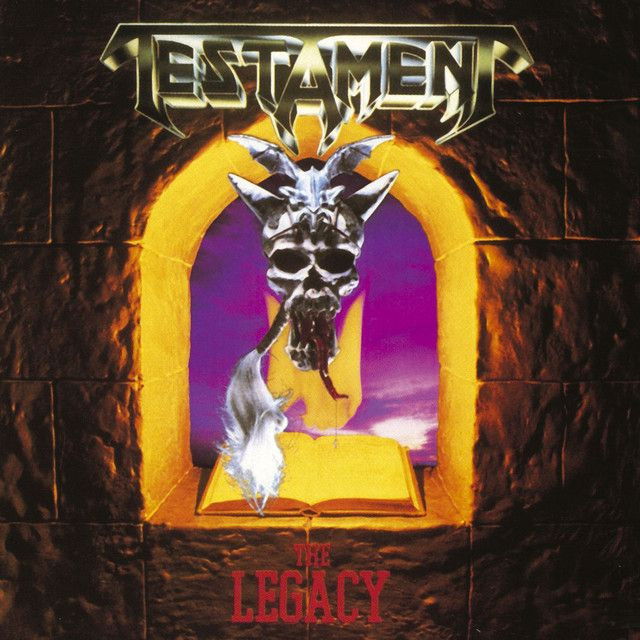
Released in 1987 as a single from The Legacy, the track introduced many listeners to the band's speed, precision, and dark storytelling. According to album documentation, The Legacy was Testament's debut studio album, released on April 21, 1987, and produced by Alex Perialas with the band. It was recorded at Pyramid Sound in January 1987. The album also helped establish Testament as a serious name in thrash metal's second wave.

Watch the official Over the Wall
music video
A Prison Break Story With Bigger Meaning
On the surface, the plot is direct. The narrator has been locked away for years, feels mentally worn down, and sees only two choices: remain trapped or break free. They frame escape as the last chance to reclaim life.
That is why phrases like prisoner
, trapped in by fear
, and escape is the only way out
matter so much. The song is not subtle about its setting, but it is emotionally sharp. The prison is real in the lyric, yet it also suggests a state of mind shaped by hopelessness.
Interpretation: Many listeners hear the jail cell as both a literal place and a symbol. The wall can stand for authority, trauma, fear, or any system that crushes a person's sense of agency. The song never fully leaves the prison narrative, but its emotional logic is broad enough to invite that wider reading.
The Narrator's Mind: Desperation Before Action
What gives the song weight is not just the breakout itself. It is the mental pressure that builds before anything happens. The narrator admits their mind is slipping and their patience is almost gone. They stare, wait, and pick the exact moment.
This is where the song becomes more than an action scene. It captures the psychology of someone who has been pushed to a breaking point. When they decide the time has come, the violence in the lyric feels ugly but believable.
A key phrase is My sanity is all but gone
. That line makes the escape feel less heroic than necessary. Testament are not celebrating a clean victory. They are showing what confinement can do to a person over time.
How the Chorus Turns the Wall Into a Symbol
The title hook, Over the wall
, is short, but that is exactly why it lands. It sounds like a shout, a mission, and a fantasy all at once. In thrash, repetition often works like a physical push, and here the chorus acts like the leap itself.
Interpretation: The wall matters because it is the final barrier. It is concrete in the story, but it also becomes a symbol of resistance. Once the narrator commits to crossing it, fear changes into movement.
There is also a twist in the ending. Even after escape, the threat remains. The authorities will keep searching, and capture is still possible. That detail keeps the song from becoming a simple freedom anthem. Freedom here is unstable, maybe temporary, but still worth the attempt.
Sound, Speed, and the Feeling of Running
The production and performance do a lot of meaning-making. The Legacy was produced by Alex Perialas and Testament, and the album is widely recognized as an important early thrash release. The sound is lean, fast, and aggressive rather than polished.
That works perfectly for this song. The guitars attack with tight, cutting riffs that feel like nerves firing. The rhythm section pushes forward with very little comfort or space, creating the sense of someone acting before doubt can return.
Alex Skolnick's lead work adds drama without softening the threat. The soloing lifts the song's tension, almost like the mind racing ahead of the body. Meanwhile, the vocal delivery is urgent and rough, which suits a narrator on the edge.
In plain terms, the band make the escape feel physical. Listeners do not just hear the idea of breaking out. They hear the sprint, the fear, and the violence chasing it.
Where It Fits in Testament's Rise
"Over the Wall" mattered because it opened The Legacy with force and helped define Testament's identity. The album came out during a rich period for American thrash, when bands were pushing speed and intensity while also sharpening their musicianship.
Reviews and retrospectives have often praised The Legacy as a standout debut, and it has appeared on several best-of lists for thrash debuts. It also reportedly sold more than 150,000 copies in the United States within three years, showing that Testament connected beyond the underground.
That context helps explain why this song still gets attention. It captures the band early, hungry, and uncompromising. Even before later albums expanded their themes, they already knew how to turn a simple scenario into something tense and memorable.
Final Take on the Meaning of Over the Wall Testament
The meaning of Over the Wall Testament is about more than escaping a cell. It is about the moment desperation turns into action, even when the outcome is uncertain. The song presents freedom not as peace, but as risk.
That is why it lasts. Its story is vivid, its hook is immediate, and its music sounds like pressure exploding. Interpretation: Whether listeners hear a literal prison break or a metaphor for breaking out of fear, the song's core idea stays the same: a person can only be contained for so long.
Disclaimer: Song meanings can be interpretive. This article separates factual context from interpretation, and other listeners may reasonably hear the song differently.







