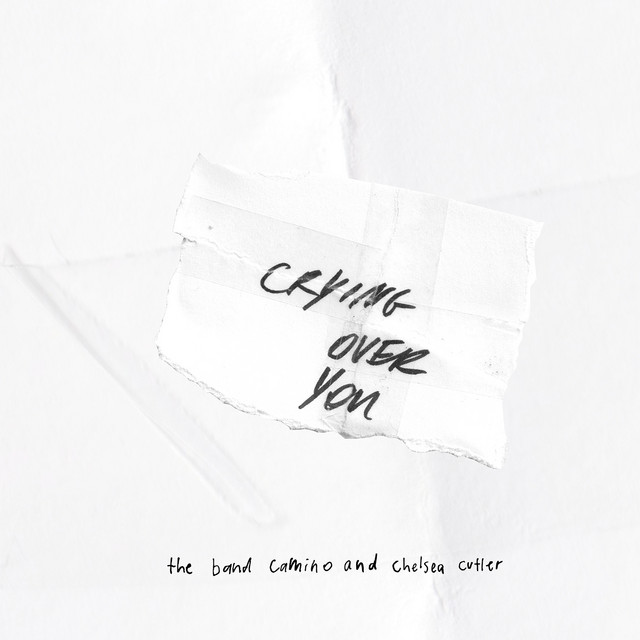
Why 'Crying over You' Chooses Pain
The meaning of Crying over You The Band CAMINO, Chelsea Cutler comes down to one sharp idea: heartbreak can be healthier than staying with someone who keeps hurting them. This is not a song about wanting sadness for its own sake. It is a song about choosing an honest pain over a dishonest relationship.
"Crying over You" - The Band CAMINO, Chelsea Cutler
You don't want me there like you used to
I keep wasting every night waitin' for you to say goodbye
Loading lyrics...
Unable to load lyrics
We're unable to display the lyrics at this time. Please try again later.
The collaboration pairs The Band CAMINO's sleek pop-rock style with Chelsea Cutler's intimate, diary-like emotional tone. Together, they turn a breakup song into something more specific: a boundary-setting anthem disguised as a late-night confession.
The Breakup Is Really About Self-Respect
At the start, the narrator sees that the relationship has changed. The other person no longer shows care or warmth, and the emotional distance is impossible to ignore. When the song uses the phrase you don't care
, it sums up that loss of tenderness in plain language.
The key emotional turn comes when they stop waiting to be discarded. Instead of staying trapped in limbo, they decide to act first. That matters because the song is less about revenge than recovery. They would rather face the sadness directly than keep begging for affection that no longer feels real.
Interpretation: the song suggests that grief can be a form of self-protection. Crying is painful, but it is still cleaner than being slowly worn down by mixed signals.

Watch the official Crying over You
music video
Why the Chorus Feels So Strong
The chorus repeats a hard choice again and again: I choose cryin' over you
. That line is simple, but its meaning is bigger than it looks. The narrator is not celebrating misery. They are saying that loneliness, silence, and tears are still preferable to being manipulated.
Another key phrase, silence over being lied to
, makes the song's values clear. Silence may feel empty, but lies are worse. In other words, the song treats emotional truth as more important than temporary comfort.
That is why the hook lands so hard. Pop choruses often promise reunion or closure. This one offers a different kind of release: the relief of finally picking themselves.
A Story of Waiting, Then Leaving
The song's timeline is easy to follow, which helps its message hit harder:
- They notice the relationship has gone cold.
- They keep waiting for the other person to end it.
- They realize their love is being used against them.
- They decide to make the first move.
- They accept that healing starts with grief.
A line like make the first move
captures the turning point. Before that moment, they are passive and stuck. After it, they reclaim control.
The Most Painful Realization
Midway through, the song hints that the relationship is not just fading. It has become actively harmful. When the narrator says their love has been used against them, the issue is no longer simple incompatibility. It is imbalance.
That is what gives the song emotional bite. This is not only about missing someone. It is about seeing that love, if placed in the wrong hands, can be twisted into a weakness.
The Images Keep Everything Small and Personal
The writing stays close to everyday details. It does not reach for grand symbols. Instead, it gives listeners private spaces: nights of waiting, an empty bed, a bedroom, quiet drinking, and tears.
Those images matter because they make the breakup feel ordinary in the most devastating way. A phrase like drinkin' alone
is not glamorous. It shows isolation. The bedroom image does the same thing: healing begins in a place where nobody is watching.
The truth is
I'll only get over you if
That brief moment is important because it reveals the song's inner logic. They do not get over the relationship by denying their feelings. They get over it by going through them.
How the Sound Carries the Message
The Band CAMINO are known for polished alt-pop and rock textures, while Chelsea Cutler often works in emotionally direct pop with electronic softness. Those broader artist identities are reflected in the song's design, even if the lyric stays raw. The production feels controlled, crisp, and melodic, which creates a smart contrast with the messiness of the narrator's emotions.
That contrast matters. If the track were chaotic, the message might feel hopeless. Instead, the steady groove and clean vocal lines suggest structure. They may be devastated, but they are also making a clear decision.
Interpretation: the production turns breakdown into resolve. The music sounds like someone holding themselves together long enough to say goodbye.
What Chelsea Cutler Adds to the Meaning
Chelsea Cutler's feature helps the song feel less like a dramatic speech and more like a shared emotional language. Her presence softens the edges without weakening the message. That makes the track more intimate.
It also broadens the song's appeal. The Band CAMINO often bring urgency and sheen; Cutler brings inward reflection. Together, they present heartbreak as both cinematic and private.
Final Take on the Song's Core Meaning
So, what is the meaning of Crying over You The Band CAMINO, Chelsea Cutler? At its core, it is about choosing honest hurt over false love. The song argues that crying, sitting in silence, and facing the empty room are all better than staying where trust has already collapsed.
That is why the track connects. It understands a brutal truth: sometimes the first healthy choice after love ends is the one that hurts immediately.
Disclaimer: This interpretation is based on the song's lyrics, performance, and publicly available credits. As with any song, listeners may hear different meanings in it.







