Why “¡Olé!” Turns Punk Into a Stadium Chant
The meaning of ¡Olé! The Bouncing Souls is not hidden behind dense poetry. It is right on the surface: a loud, funny, rough-edged celebration of group identity. Their song turns soccer chant culture into punk rock, mixing pride, friendship, competition, and a little chaos.
"¡Olé!" - The Bouncing Souls
Ole!,Ole!,Ole!,Ole!,Ole!,Ole!
Ohhhhhh!
Loading lyrics...
Unable to load lyrics
We're unable to display the lyrics at this time. Please try again later.
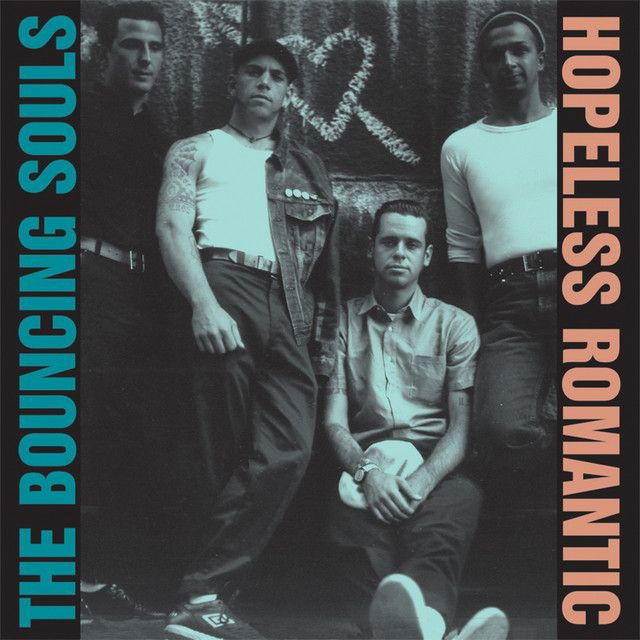
Released on Hopeless Romantic in 1999, the track is one of the clearest examples of how The Bouncing Souls could make something simple feel huge. The band came out of New Jersey’s punk scene, and their songs often balance heart, humor, and a working-class sense of fun. In this case, they build a song that feels less like a private confession and more like a crowd ritual.
A Punk Song Built Like a Terrace Anthem
At its core, the song is about belonging. The repeated chant of Olé!
does most of the work. That phrase already carried a long history in sports before the band used it. As commonly heard today, the chant spread internationally through football culture and European pop recordings in the 1980s, then became a global crowd staple; it was later folded into The Bouncing Souls’ 1999 song (Wikipedia).
That history matters because the band are not inventing the chant. They are borrowing a sound that people already connect with mass excitement. By placing it inside a punk track, they turn the song into an instant communal event. Even someone hearing it for the first time can join in.
Watch the official ¡Olé!
music video
The Main Idea Hides in Plain Sight
The verses sketch a group persona. When they sing no one can beat us
, they are not making a careful argument. They are performing swagger. This is the kind of exaggeration common in sports songs, terrace chants, and punk anthems. It is less about literal dominance than emotional momentum.
The next details deepen that identity. References like wear Adidas
and Lace our sambas
point to soccer style and streetwear, grounding the song in a specific subculture. They are not just cheering in the abstract. They are placing themselves in a world of sneakers, beer, pickup games, and pre-match confidence.
What the Lyrics Suggest About Brotherhood
The clearest emotional line may be Win or lose
. That phrase shifts the song away from pure bragging. It suggests the real point is not victory by itself, but being together through the whole experience.
That is why the next idea matters too: We won't quit
. The song values effort, endurance, and attitude. In plain terms, they are saying the bond survives the result. Winning is great, but the better prize is the shared moment.
A Note on the Song’s Rougher Edge
One lyric uses sexist language that can sound ugly and dated now. Factually, it is part of the original text provided here. Interpretation: it seems less like the song’s core message than a piece of rowdy, immature provocation that fits some late-1990s punk behavior. Still, modern listeners may reasonably see it as a flaw that interrupts the otherwise playful spirit.
How the Chorus Creates Meaning Faster Than a Story
This song barely tells a narrative in the usual sense. Instead, it works by repetition. The hook functions like a real chant at a game: it builds energy through simplicity, not detail.
Olé!, Olé!, Olé!, Olé!
Olé!, Olé!, Olé!, Olé!
That tiny refrain says almost everything. It invites participation, erases the distance between band and audience, and turns individual feeling into group feeling. Interpretation: the chorus matters because it makes identity audible. They are not just singing about community; they are creating it in real time.
Why the Sound Matters as Much as the Words
Musically, “¡Olé!” is blunt on purpose. The fast tempo, shouted vocals, and punchy punk arrangement keep the focus on momentum. There is little space for reflection, which fits the song’s message. It is about action, noise, and collective release.
The gang-vocal feeling is especially important. Even when only one singer leads, the structure feels communal. That mirrors stadium culture, where one voice starts a chant and hundreds answer back. The result is a song designed for bodies in motion, whether that means a mosh pit, a bar crowd, or fans bouncing in the stands.
Artist Context Makes the Message Clearer
The Bouncing Souls have long been known for turning ordinary feelings into durable sing-alongs. They often sound earnest without sounding soft. That makes them a good fit for a song like this, which treats sports culture not as polished branding but as something local, lived-in, and democratic.
There is also an afterlife to the track. The song became familiar to many wrestling fans through El Generico, later Sami Zayn, who used it as entrance music on the independent scene; the related crowd chant continued into later wrestling settings as well (Wikipedia). That crossover shows how well the song travels. Its power does not depend on one sport or one scene. It works anywhere a crowd wants to feel like one unit.
The Best Way to Read “¡Olé!”
The meaning of ¡Olé! The Bouncing Souls is best understood as a celebration of communal energy. It is about friends showing up, making noise, and treating fun as something serious enough to defend.
Interpretation: beneath the joking bravado, the song argues that identity is built through shared rituals. Clothes, chants, beer, competition, and repetition all become symbols of belonging. That is why the track still works: it captures the thrill of being part of something louder than oneself.
Final takeaway
“¡Olé!” is not a deep lyric poem, and it does not try to be. Its meaning comes from how punk attitude and sports-chant tradition fuse into one messy, memorable anthem.
This interpretation is based on the released song, its lyrics, and public context; like all song meaning pieces, some readings remain subjective.







