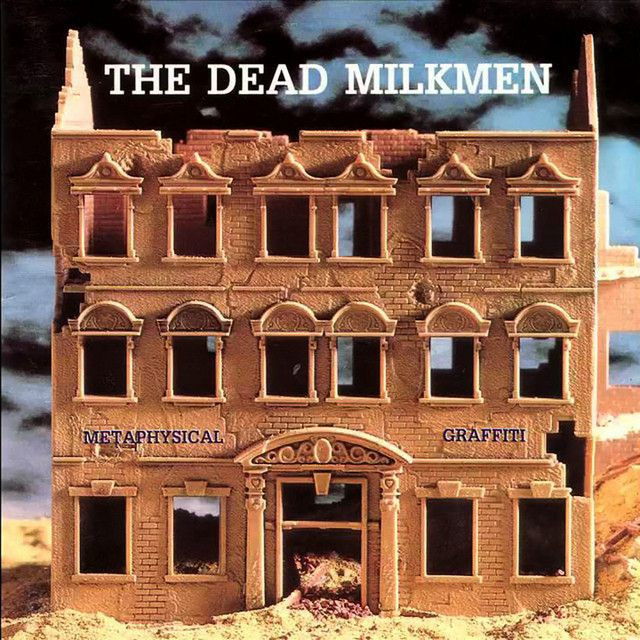
Why The Dead Milkmen Turn Love Into Arson
The meaning of If You Love Somebody, Set Them on Fire The Dead Milkmen starts with a joke, but it is a sharp one. The song takes Sting’s 1985 hit phrase about freedom in love and twists it into something absurd, violent, and funny. That reversal is the whole engine of the track.
"If You Love Somebody, Set Them on Fire" - The Dead Milkmen
Know that it would be untrue
Know that I would be a liar
Loading lyrics...
Unable to load lyrics
We're unable to display the lyrics at this time. Please try again later.
The Dead Milkmen were known for punk songs that mocked pop culture, suburban behavior, and bad ideas taken too seriously. In this case, they turn a soft, wise-sounding romantic slogan into literal arson. The result is not a love song at all. It is a parody of cliché, obsession, and the way catchy phrases can hide nonsense when pushed to extremes.
A Slogan Flipped Inside Out
Factually, the song is widely understood as a lampoon of Sting’s 1985 single, which Sting himself described as an antidote to the possessive mood of “Every Breath You Take.” The Dead Milkmen hear that famous title and answer it with a deliberately stupid escalation: if freedom is good, then fire must be better.
That is the first key to the song’s meaning. It depends on the listener recognizing the original phrase. Once that happens, the chorus lands as anti-romantic satire, not sincere feeling. When they repeat set them on fire
, they are exposing how easy it is for pop wisdom to become empty language.
Watch the official If You Love Somebody, Set Them on Fire
music video
The Narrator Is the Joke
The song works because its speaker is ridiculous. He admits to destructive acts with no guilt, then explains them with childish logic. Early on, he frames honesty as if it were noble, even while confessing to burning a house. Later, he blames temperament, saying life burns a person up when they are a pyromaniac
.
Interpretation: the point is not that this character is deep or wounded. The point is that he is absurdly casual about harm. That casual tone mocks selfish people who excuse anything by saying, in effect, “that is just how I am.”
There is also a nasty little joke about escalation. A minor insult from the father leads to retaliation. The narrator gets a little pissed
and answers with fire. That jump from petty offense to wild overreaction is part of the song’s comedy. It turns immature revenge into cartoon disaster.
How the Story Builds Its Chaos
The lyric has a simple narrative, and that simplicity helps the punchlines hit. They move in a straight line:
- The narrator confesses to burning the listener’s house.
- He excuses it as part of his nature.
- He clashes with the listener’s dad and burns the porch.
- He enjoys the tools of arson and wants to do it again.
- The chorus keeps reframing this as “love.”
That structure matters. Every verse raises the absurdity while the hook stays the same. By the time the song circles back to family members and more destruction, the chorus sounds even more deranged. The listener sees how far the song will stretch one bad idea.
If you love somebody
Better set them on fire
Placed against the verses, that hook becomes a parody of romantic certainty. It sounds confident, but the confidence is exactly what makes it foolish.
Fire as a Symbol, and as a Dumb Literal Object
Fire in songs often stands for passion, danger, jealousy, or desire. The Dead Milkmen know that. Instead of using the symbol in a serious way, they flatten it into literal flames, lighter fluid, and wrecked property. They mention objects like a brand new lighter
and kerosene not to deepen the emotion, but to make the emotional language look stupid.
Interpretation: this is a satire of how love songs often talk in overheated metaphors. Many songs say love burns, hurts, consumes, or explodes. The Dead Milkmen ask what happens if someone hears all that and takes it literally. Their answer is this track.
That does not mean the song is random. Its images are tightly chosen. Houses, porches, oily rags, and lighters bring romance down to grubby physical detail. Instead of dreamy devotion, they give the listener hardware-store menace.
Why the Sound Fits the Meaning
The band’s performance sells the joke. The track moves with fast, stripped-down punk energy rather than the polished sophistication associated with Sting’s hit. That contrast matters. Sting’s song used jazz-pop smoothness to argue for emotional freedom; The Dead Milkmen answer with bratty speed and deadpan delivery.
Their vocal style is especially important. The singer does not sound tragic or even truly enraged. He sounds matter-of-fact, almost cheerful. That flatness makes the words funnier and more unsettling. The band treat arson like an everyday inconvenience, which turns the narrator into an even bigger fool.
The guitars and rhythm section also keep everything moving before any one image can become too realistic. That is a common strength in comedy punk: the momentum tells the listener not to read the song as confession, but as caricature.
A Few Stronger Readings
The simplest reading is the best one: this is a parody of a famous love-song slogan.
Still, there are two useful deeper readings:
Pop Advice Can Sound Smart Until It Breaks
Interpretation: the song mocks all neat, bumper-sticker ideas about relationships. Once a phrase is catchy enough, people may repeat it without thinking. The Dead Milkmen test that by making the phrase unbearable.
Obsession Often Calls Itself Love
Interpretation: the narrator also resembles possessive, immature lovers who confuse control, revenge, and impulse with affection. The song makes that confusion grotesquely obvious.
The Last Spark
The meaning of If You Love Somebody, Set Them on Fire The Dead Milkmen is not hidden. They take a familiar romantic line, push it into literal madness, and use punk comedy to expose how silly love clichés can sound. Beneath the joke is a real point: not every phrase about love deserves to be trusted just because it sounds poetic.
That is why the song still works. It is dumb on purpose, but the satire is precise.
Disclaimer: This interpretation combines lyric analysis, artist context, and cultural reference. As with most satirical songs, listeners may hear different shades of meaning.







