Why 'Centerfold' Turns Nostalgia Into Shock
The meaning of Centerfold The J. Geils Band comes down to a sharp emotional collision: a man sees his old school crush in an adult magazine, and the fantasy he preserved for years suddenly changes. The song is catchy and playful, but its story is built on discomfort. It is about memory, desire, and the shock of learning that a real person never stayed frozen inside someone else's teenage dream.
"Centerfold" - The J. Geils Band
Does she walk? Does she talk?
Does she come complete?
Loading lyrics...
Unable to load lyrics
We're unable to display the lyrics at this time. Please try again later.
A Pop Hit With a Sting
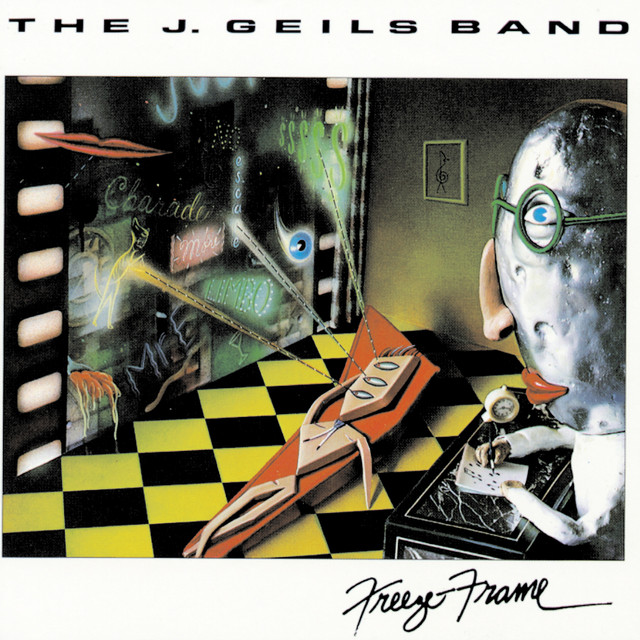
Released as the lead single from Freeze Frame in 1981, "Centerfold" was written and produced by Seth Justman and became the band's biggest hit. It reached No. 1 on the Billboard Hot 100 for six weeks and helped push the group deeper into MTV-era pop success. It also marked a shift from their earlier blues-rock reputation toward a brighter, synth-driven sound associated with pop rock, new wave, and synth-rock.
That context matters. The song sounds fun on the surface, which makes its uneasy story even more effective. Critics at the time noticed that contrast, with Record World calling it a "clever rocker" and praising its easy, radio-ready hook. The music invites people in before the lyrics reveal the narrator's panic.
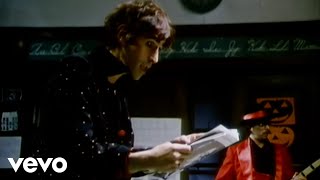
Watch the official Centerfold
music video
The Real Story Inside the Lyrics
At the center of the song is a simple plot. The narrator remembers a girl from school as pure, unreachable, and almost sacred. He calls her his homeroom angel
, which shows how strongly he idealized her.
Years later, he finds her in a magazine and feels his image of her fall apart. The key line is my memory has just been sold
. He is not literally talking about ownership. He means the private version of her that lived in his head now feels exposed, commercialized, and changed.
Memory Versus Reality
This is where the song gets more interesting than its hook suggests. The woman herself may not have changed in any moral sense. What changes is his fantasy. He wanted her to remain the girl in the classroom, the one in soft and fuzzy sweaters
, untouched by adult life.
Interpretation: the song is really about the narrator's inability to accept that other people keep living after they leave his memory. He experiences her adulthood as a personal loss.
Why the Chorus Feels So Strong
The chorus works because it condenses shame, jealousy, desire, and surprise into one burst. When he says my blood runs cold
, he is reacting as if he has seen something both exciting and disturbing.
Then the title phrase angel is the centerfold
lands like a contradiction. "Angel" suggests innocence and distance. "Centerfold" suggests display, sexuality, and public consumption. The whole song lives in that clash.
It's okay I understand
This ain't no never-neverland
Those lines show him trying to sound mature. He tells himself this is real life, not a fantasy world. But the rest of the song makes clear that he has not fully accepted it.
The Song's Most Revealing Detail
One reason the lyrics still provoke discussion is that they expose the narrator's double standard. He is shocked by the image, but he is also drawn to it. The verses move back and forth between innocence and erotic fascination.
That tension is important to the meaning of Centerfold The J. Geils Band. The song is not just about disappointment. It is also about how male nostalgia can be possessive. He thinks of her as "his" memory first and a real adult woman second.
Interpretation: some listeners hear the song as a critique of that attitude, even if the lyrics do not fully condemn him. The discomfort is the point. The band lets him sound foolish, wounded, and horny at the same time.
How the Sound Sells the Idea
Musically, "Centerfold" is built for maximum contrast. The keyboards are bright, the beat is tight, and Peter Wolf sings with a grin that keeps the story from turning bitter. The famous na-na refrain gives the song a party feel, even though the narrator is having a small identity crisis.
That production choice, crafted by Seth Justman, is a big reason the track broke so wide. Instead of treating the story like drama, the band gave it a glossy, high-energy frame. Songfacts notes that this period reflected the group's move away from a rougher blues base and toward a more modern pop sound. That polished style fit early MTV perfectly, and the classroom-themed video became one of the era's memorable clips.
A Bigger Meaning Beneath the Joke
On one level, "Centerfold" is a comic story song. It is easy to picture the scene, and the hook is unforgettable. But beneath the joke is a sharp truth: nostalgia often says more about the person remembering than the person remembered.
The narrator wants to protect a younger version of himself, along with the girl he linked to that version. When that image breaks, he treats it like betrayal. The song captures that feeling with unusual clarity.
Final Take on "Centerfold"
So, what is the meaning of Centerfold The J. Geils Band? It is about a man whose teenage ideal crashes into adult reality. The lyrics use humor and pop energy to explore memory, objectification, and the gap between innocence imagined and adulthood lived.
That is why the song has lasted. It is catchy enough to feel light, but messy enough to feel human.
Disclaimer: This interpretation is based on the lyrics, known release context, and documented history around the song. Meaning can vary from listener to listener.









