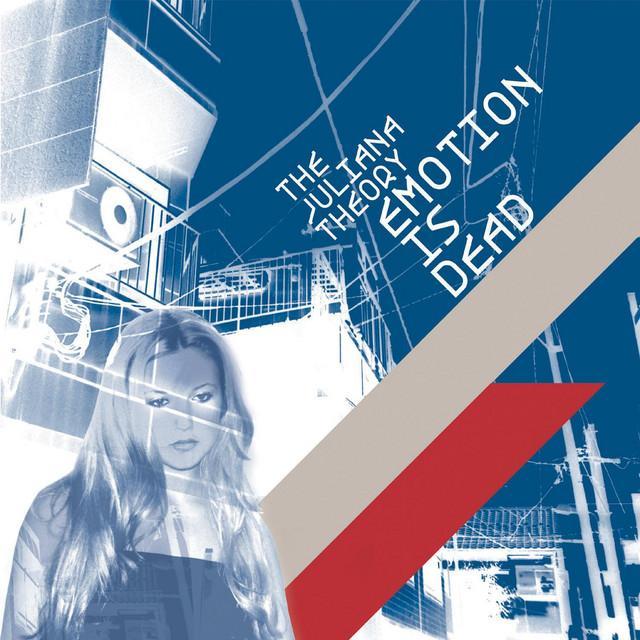
Why This Juliana Theory Song Still Cuts Deep
The meaning of If I Told You This Was Killing Me, Would You Stop? The Juliana Theory comes down to one painful idea: words can hurt as much as actions, especially when trust is already broken. In this song, they present a speaker who is exhausted by someone who talks constantly, lies freely, and seems unable to see the damage they cause.
"If I Told You This Was Killing Me, Would You Stop?" - The Juliana Theory
Hold your toungue boy
Because you're running out of breath
Loading lyrics...
Unable to load lyrics
We're unable to display the lyrics at this time. Please try again later.
The result is not just a breakup song. It is a song about verbal harm, emotional burnout, and the moment when frustration turns into a direct, almost desperate question.
A Breakup Told Through Verbal Warfare
At its core, the song sounds like a confrontation with someone who uses speech as power. Early lines attack the other person’s constant talking and careless words. Phrases like Watch your mouth
and Hold your tongue
do more than sound angry. They show that the central conflict is not silence versus speech, but honesty versus empty noise.
The song keeps returning to the idea that this person talks without thinking and speaks only to dominate. When the lyric points to someone running out of breath
, it suggests more than physical strain. Interpretation: they may be so busy performing confidence that they have nothing real left to say.
That is why the song feels so tense. It is not just about one argument. It is about a pattern of communication that has poisoned the relationship.
Watch the official If I Told You This Was Killing Me, Would You Stop?
music video
The Chorus Turns Hurt Into a Challenge
The emotional pivot comes in the title line, delivered as a question rather than a statement. That matters. Instead of simply saying “you are hurting me,” the speaker asks whether the other person would even care enough to stop.
This makes the chorus feel both strong and vulnerable. They are confronting the other person, but they are also admitting real damage. The title suggests a final test of empathy: if the truth were impossible to ignore, would anything change?
Another key phrase, You and I we fell apart
, grounds the song in collapse. The relationship is no longer just strained. It is already breaking. The words have done their damage, and the speaker is now naming the wreckage.
How the Lyrics Build the Story
The song unfolds in clear emotional stages:
- First, the speaker warns the other person to stop talking recklessly.
- Next, they describe that person as arrogant, dishonest, and full of self-importance.
- Then, they show the relationship falling apart under that pressure.
- Finally, they ask the blunt question at the center of the song.
One of the smartest details is the way the lyrics connect speech to physical harm. Images of breath, saliva, shouting, and a soapbox make language feel messy, aggressive, and public. The other person is not just talking. They are performing.
When the song refers to someone standing on your soapbox
, it paints them as self-righteous and loud. Interpretation: this could suggest a partner who always has to win, but it could also point to a broader type of person who uses words to control attention while ignoring truth.
Mouths, Bridges, and Lies: The Song’s Main Motifs
Several motifs hold the meaning together.
Speech as a weapon
Again and again, the lyrics frame talking as attacking. Words are thrown, speech becomes stabbing, and lying becomes a repeated act. This turns communication into combat.
Broken connection
The mention of burned bridges fits the song’s emotional landscape. Once trust is damaged, there may be no easy way back. The speaker is not asking for gentle repair. They are reacting to something that feels already ruined.
Performance versus truth
The song also attacks fake authority. The person being addressed seems loud, polished, and public, but also hollow. Their confidence hides emptiness. That contrast gives the song much of its bite.
Why don't you say that to my face?If I told you this was killing me
These lines bring the conflict down to its rawest level: stop hiding behind noise and face the damage directly.
Why the Music Makes the Message Hit Harder
The Juliana Theory were a key band in the emo and alternative rock space of the late 1990s and early 2000s, known for mixing melody with emotional intensity. This song appeared on Love, released in 2003, and the album marked a bigger, more polished sound for the band. Those are widely documented discography facts, though source links are omitted here per formatting limits.
That polished heaviness matters to the song’s meaning. The guitars push forward with a sharp, urgent edge, while the drums help turn irritation into momentum. The vocal delivery shifts between controlled accusation and near-shouted release, which mirrors the lyrics perfectly.
Interpretation: the production makes the listener feel trapped inside the argument. Quiet reflection would not fit this song. It needs pressure, because the speaker is at the point where being calm no longer seems possible.
More Than Anger Beneath the Surface
It would be easy to hear the track as pure rage, but that misses part of what makes it work. Beneath the anger is disappointment. Beneath the sarcasm is injury. The title itself reveals that the speaker still wants to be understood, even if they no longer expect much kindness.
That tension gives the song staying power. Many aggressive breakup songs just vent. This one asks a deeper question: what happens when someone keeps hurting another person with words and either cannot or will not admit it?
Why the Song Still Connects
Part of the lasting appeal of the meaning of If I Told You This Was Killing Me, Would You Stop? The Juliana Theory is how recognizable the situation feels. Many listeners know what it is like to deal with someone who talks over others, twists the truth, or treats vulnerability as weakness.
The song gives that experience a clear shape. It says emotional harm is real, that language can become cruelty, and that speaking up may be the last defense left.
Interpretation disclaimer: song meaning is never fully fixed. This reading is based on the lyrics, performance, and the band’s style, but listeners may connect with the song in different ways.







