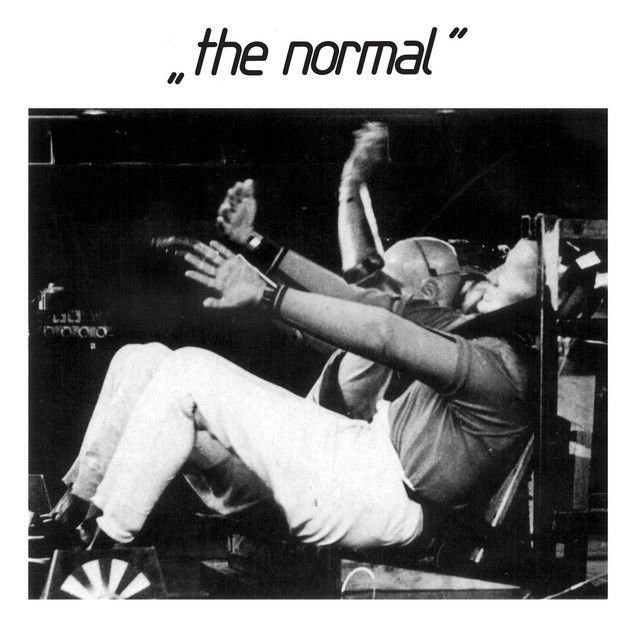
Why “Warm Leatherette” Still Disturbs
The meaning of Warm Leatherette The Normal starts with a shock. This is not a song that hides what it is doing. In a little over three minutes, The Normal turns a car crash into a scene of desire, fear, and machine-age obsession.
"Warm Leatherette" - The Normal
Warm Leatherette
Warm Leatherette
Loading lyrics...
Unable to load lyrics
We're unable to display the lyrics at this time. Please try again later.
Released in 1978 by Daniel Miller under the name The Normal, the track was the debut single on Mute Records and became one of the key early electronic records in British underground music. Its influence is much bigger than its minimal setup. With only a few words, a stiff beat, and harsh synth tones, it says something ugly and memorable about modern life.
A Car Crash as Modern Romance
At the most basic level, the song describes impact and injury. Images like breaking glass
and crushing steel
place the listener inside the wreck, not outside it. There is no safe distance.
But the song is not just about an accident. It connects violence, touch, and attraction. The repeated title phrase turns the inside of a car into something intimate and disturbing. What should feel sleek or luxurious becomes hot, damaged, and human.
Interpretation: many listeners hear this as a critique of a culture that eroticizes danger. The song seems fascinated by the crash, but it also sounds emotionally blank. That coldness matters. It suggests a world where people have learned to experience trauma through surfaces, objects, and style.
Watch the official Warm Leatherette
music video
The Ballard Link Behind the Lyrics
Daniel Miller has said the song was inspired by J. G. Ballard’s 1973 novel Crash, which explores the sexual psychology of car accidents and modern technology. That connection has been widely noted in accounts of the single and Mute’s history, including The Guardian and Mute.
That context helps explain the song’s strange emotional logic. It is not trying to tell a realistic story about one couple. It is taking Ballard’s idea—that machines reshape desire—and reducing it to a severe pop form.
So when the lyrics move from wreckage to erotic detail, the jump is intentional. The song presents a modern body trapped inside modern materials. Flesh, metal, fuel, and plastic all start to feel like parts of the same system.
How the Key Images Build the Meaning
The lyrics work almost like snapshots:
- First, the crash announces itself through sound and impact.
- Then the body feels the machine from the inside.
- Finally, sex and death are pushed together in one breathless moment.
That arc is why lines about the steering wheel and dashboard matter. The listener is not given a full plot. Instead, they get sensory fragments. A phrase like burning flesh
makes the body feel exposed, while luminescent dash
keeps attention on the car’s artificial glow.
A tear of petrol
is in your eye
This brief image is one of the song’s clearest examples of how it mixes human emotion with industrial matter. A tear should be natural and personal. Here, it becomes fuel.
Then comes the infamous invitation to act before death arrives. The point is not romance in any warm sense. It is urgency without tenderness, closeness without comfort.
Why the Repetition Feels So Unsettling
The title phrase is repeated again and again: Warm Leatherette
. That repetition works like a machine loop. It strips away normal emotion and replaces it with fixation.
Interpretation: the refrain may suggest numbness. After the crash, the speaker cannot process what happened in a healthy way, so they cling to one texture, one object, one surface. It could also suggest advertising language, as if consumer luxury has invaded the scene of disaster.
The closing phrase Join the car crash set
widens the song’s target. It no longer sounds like one private event. It sounds like a social type, a whole culture built around spectacle, speed, and glamorized destruction.
The Sound Is the Argument
A huge part of the meaning of Warm Leatherette The Normal comes from its production. Miller recorded it with a stark DIY electronic setup, and the track is famous for its primitive rhythm box and abrasive synthesizer textures, as described in Sound on Sound and Mute.
There is almost no warmth in the performance. The vocal is flat and detached. The beat feels automatic. The synth line buzzes more than it sings.
That matters because the music refuses to soften the lyrics. A more emotional arrangement might have made the song tragic. This one makes it clinical. It sounds like a machine reporting desire after the human part has already gone wrong.
More Than Shock Value
It is easy to reduce the song to provocation, but that misses why it lasted. Plenty of songs try to shock. Few create such a complete world with so little material.
The Normal captured a late-1970s fear that still feels current in the United States and beyond: technology can excite people, shape people, and even train them to confuse contact with collision. The song’s minimal form gives that idea extra force.
Final Take
The best way to hear this track is as both fascination and warning. It stares at the merger of sex, speed, and machinery without offering easy moral comfort.
That is why the song still feels dangerous. The meaning of Warm Leatherette The Normal lies in how coolly it shows a world where synthetic surfaces become more powerful than human feeling.
Disclaimer: This interpretation is based on the lyrics, recorded performance, and documented artist context. As with many experimental songs, reasonable listeners may hear different meanings.








