Why 'I Am Machine' Hits So Hard
The meaning of I Am Machine Three Days Grace comes down to a painful split: they keep going, keep working, keep functioning, but they no longer feel fully human. That is why the song lands with so much force. It turns burnout, numbness, and emotional disconnection into a hard-rock anthem that sounds as relentless as its message.
"I Am Machine" - Three Days Grace
All the pain and suffering
There's beauty in the bleeding
Loading lyrics...
Unable to load lyrics
We're unable to display the lyrics at this time. Please try again later.
Released in 2014 as a single from Human, the track marked an important period for Three Days Grace and later became a major rock-radio success. According to Songfacts, drummer Neil Sanderson said the lyrics are about feeling trapped in an endless routine and becoming numb while still wanting to feel any emotion at all. The song also topped rock radio and extended the band’s chart record, showing how widely that feeling connected with listeners.
A Human Song Hidden Inside a Metal Shell
At its core, the song contrasts human vulnerability with mechanical survival. The verses look at pain as part of real life. They suggest that even suffering has value because it proves a person is still emotionally alive.
That idea makes the chorus hit harder. When the singer says I am machine
, they are not boasting. They are describing a state of emotional shutdown. They still move, work, and react, but they feel separated from the part of themselves that can truly connect.
Interpretation: The song is less about becoming powerful and more about fearing what constant pressure has turned them into. The machine image is useful because a machine does not rest, does not break down in public, and does not ask for comfort. But it also does not love, heal, or belong.
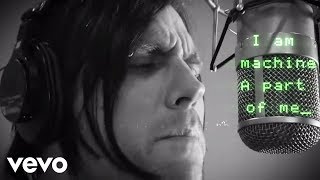
Watch the official I Am Machine
music video
The Chorus Turns Survival Into a Warning
The chorus uses a simple pattern to show a cycle. They say I never sleep
and keep pushing forward until they fix what's broken
. In plain terms, the speaker feels responsible for holding everything together.
That sounds strong on the surface, but the next thought changes the meaning. A part of them still wishes I could just feel something
. That one admission exposes the whole song. The problem is not laziness or weakness. The problem is overfunctioning without emotional life.
This is what gives the track its tension. They are efficient, alert, and driven, yet empty at the center. The chorus is catchy because it states that conflict in blunt, memorable language.
How the Verses Build the Emotional Conflict
Before the chorus, the lyrics praise ordinary human experience. They point to pain, highs, lows, and second chances as signs of real living. In other words, the song argues that being human includes hurt, but that hurt matters.
Then the singer admits they do not know what it feels like to care enough, to know where they belong, or even to stay connected to right and wrong. Those lines suggest alienation, not just sadness. They are not only tired; they feel detached from meaning itself.
Here's to being human
There's beauty in the bleeding
That brief moment captures the song’s central paradox. Pain is terrible, but numbness may be worse. The speaker is almost raising a glass to the messy, imperfect experience they can no longer fully access.
Sound Design That Feels Like a Factory
The production helps explain the song’s meaning. According to Songfacts, Neil Sanderson said the band wanted parts of the track to sound “machine-like,” inspired by the turning, relentless devices in the opening of Edward Scissorhands. That is a useful clue because the song really does feel like motion without rest.
The guitars are heavy and precise, the drums pound with a locked-in rhythm, and the vocal delivery stays tense rather than loose. Even the structure feels engineered for repetition. The band does not create a warm or roomy atmosphere; they create pressure.
Interpretation: That mechanical sound mirrors the inner life of the narrator. The music keeps grinding forward, just like a person who has learned to perform strength even when they feel emotionally vacant.
Artist Context Matters Here
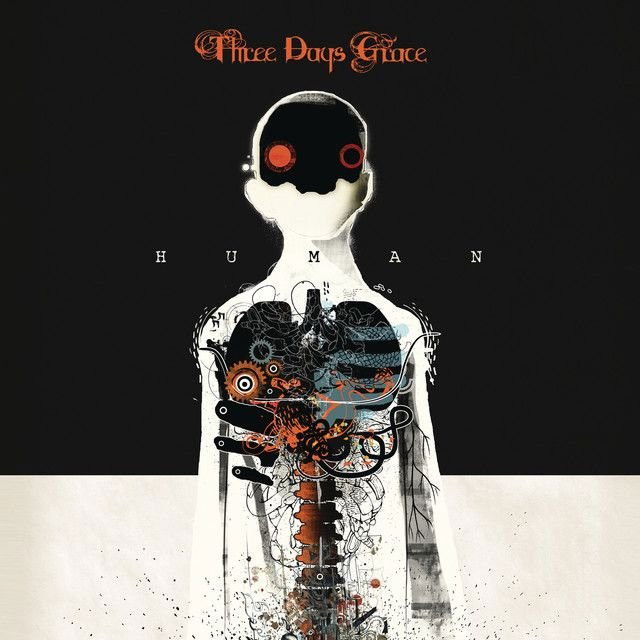
“I Am Machine” was one of the key singles from Human, Three Days Grace’s fifth studio album. It was released on September 30, 2014, and the song was written by Brad Walst, Gavin Brown, Johnny Andrews, Matt Walst, Neil Sanderson, and Barry Stock, with Gavin Brown credited as producer.
That context matters because the album title Human makes this song’s tension even sharper. A track called “I Am Machine” on an album called Human almost announces its own contradiction. The band is asking what happens when a person loses touch with the emotional messiness that makes them human in the first place.
Barry Stock also linked the song to modern distraction, saying people get stuck in technology and forget to look up and notice life around them. That comment supports a second, broader reading.
Two Strong Readings of the Song
There are at least two convincing ways to hear this track:
- Personal burnout: The speaker is emotionally exhausted and functioning on autopilot.
- Modern-life critique: The machine metaphor reflects technology, routine, and the way constant stimulation can flatten real feeling.
Both readings fit the lyric keep my eyes wide open
. It sounds alert, but not truly awake in a human sense. They are watching everything and feeling very little.
Why Listeners Still Connect With It
The song became one of Three Days Grace’s biggest radio hits because its message is easy to recognize. Many listeners know what it feels like to keep performing, working, and coping while feeling strangely absent from their own lives.
That is the lasting meaning of I Am Machine. It is a song about the fear of becoming all function and no feeling. Its heavy sound gives that fear muscle, but its real power comes from a simple truth: people do not just want to survive. They want to feel alive while doing it.
Disclaimer: This interpretation combines documented artist comments with lyrical analysis. Meaning can vary from listener to listener.








