Why 'The Mountain' Hits So Hard
A fight song for ordinary survival
The meaning of The Mountain Three Days Grace comes down to one idea: getting through life when every day feels like a test. Released on January 25, 2018, as the lead single from Outsider, the song gave the band one of its biggest late-career radio wins, reaching No. 1 on Billboard's Mainstream Rock chart and tying Van Halen's record for most leaders at the time, according to Songfacts and Wikipedia.
"The Mountain" - Three Days Grace
Keep climbin' the mountain
Even when I feel like dyin'
Loading lyrics...
Unable to load lyrics
We're unable to display the lyrics at this time. Please try again later.
What makes the track connect is that it is not about a glamorous comeback. It is about basic endurance. The singer is not celebrating victory yet. They are trying to make it through the day, then the next one, then the next.
That is why the mountain image works so well. A mountain is steep, tiring, and never beaten in one move. In this song, it stands for depression, stress, exhaustion, failure, or any repeating burden that keeps coming back.

Watch the official The Mountain
music video
What the band has said it means
Three Days Grace have been unusually clear about the song's message. Neil Sanderson said it is about waking up to reality and having to face one's circumstances, whether that means chasing success or simply staying off rock bottom, as reported by Songfacts. Matt Walst added that there is hope in it, saying some days are dark, but people have to look toward the light.
Those comments matter because they frame the song as more than pain. It is pain with motion. Brad Walst also described it as a song about overcoming daily difficulties in life, according to Wikipedia.
So, factually, the song sits in a very clear lane: struggle, repetition, and persistence. Interpretation: what gives it emotional power is that it treats survival itself as an achievement.
The verses show relapse, not failure
One of the smartest things in the lyric is how it describes progress. The singer keeps thinking they are past the worst, only to fall back into it. That idea appears in the line about waking up at the bottom of it all again
. In plain terms, recovery is not shown as a straight path.
This is why the song feels honest to listeners dealing with anxiety, depression, addiction, burnout, or grief. It does not promise a clean ending. It says that backsliding happens.
Every day I'm just survivin'
Keep climbin' the mountain
That short refrain is the song's core message. Before and after it, the verses describe fear, numbness, and emotional fatigue. But the chorus keeps returning like a command: continue anyway.
How the chorus turns pain into purpose
The chorus works because it is simple and physical. A lot of rock songs about struggle use abstract language. This one gives listeners an action. They should keep climbing.
The phrase keep climbin' the mountain
is not triumphant in the usual sense. It sounds more stubborn than joyful. That matters. The song does not pretend the burden is gone. It says effort itself becomes the victory.
Another key phrase is just survivin'
. That wording lowers the bar in a humane way. On some days, thriving is too much to ask. The song gives people permission to aim for survival first.
Interpretation: this is why the track feels hopeful without sounding soft. Hope here is not a smile. It is grit.
The song's biggest symbols
The mountain
The title symbol stands for any repeating challenge that feels larger than the self. Because the image is broad, listeners can place their own struggle inside it.
Height and falling
The lyric also says the harder I fall
, tying progress to risk. The higher someone climbs, the more painful setbacks can feel. That captures the fear that comes with improvement: if they are doing better, they also have more to lose.
Light against darkness
Near the bridge, the song shifts from despair toward resistance with imagery about seeing light and pushing darkness back. That contrast is common, but here it is effective because it comes after lines of exhaustion. The hope is earned.
Why the sound matters as much as the words
Musically, "The Mountain" supports its meaning with force rather than delicacy. It blends hard rock and alternative metal elements, according to Wikipedia. The guitars hit with a thick, driving riff that feels like forward motion. The drums keep a steady punch, giving the track the sense of marching uphill.
The production team included Gavin Brown, Howard Benson, and the band, with mixing by Chris Lord-Alge, per Wikipedia. That polished but heavy sound is important. It makes the song feel big enough to hold its emotional weight.
Matt Walst's vocal also sells the message. He pushes hard, especially in the chorus, which matches the idea of straining upward. Reports note that he reached one of his highest notes on the track. That audible effort mirrors the lyric's struggle.
Why it stood out on Outsider
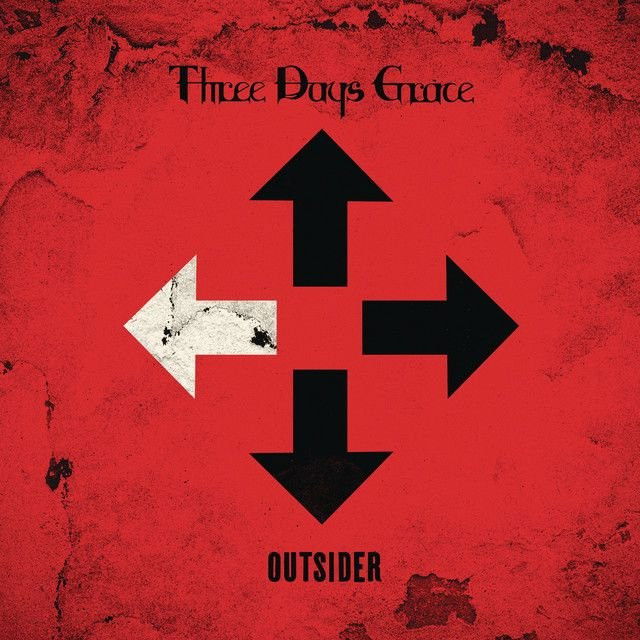
Outsider is often described as a dark album, and even Songfacts notes that "The Mountain" is one of its more hopeful songs. That contrast helped the single stand out. It gave listeners the familiar intensity of Three Days Grace, but with a message that leaned toward endurance rather than collapse.
Critics noticed that balance too. Digital Journal praised its riffs, hooks, and relevant, hopeful lyrics, as summarized by Wikipedia. The song later earned major songwriting recognition from SOCAN.
Final read on the message
The meaning of The Mountain Three Days Grace is not that life gets easy. It is that people can keep moving even when life stays hard. The lyric phrases feel like dyin'
and carry on
place despair and persistence side by side. That tension is the whole song.
In the end, "The Mountain" resonates because it respects how difficult daily life can be. It tells listeners that falling back is part of climbing, and that survival is not small.
Disclaimer: This interpretation blends documented band comments with lyrical analysis. As with any song, listeners may hear meanings that are personal to their own experience.








