Why 'I Still Believe' by Tim Cappello Endures
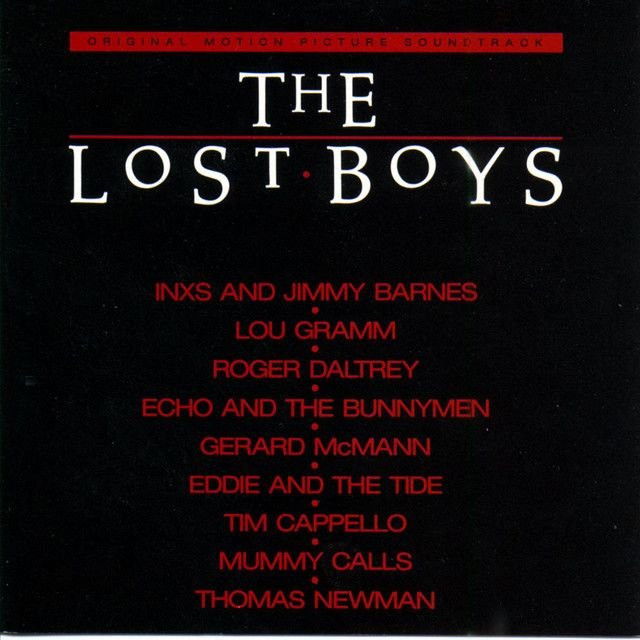
The meaning of I Still Believe Tim Cappello starts with a small surprise: Tim Cappello did not write the song. It was first released by The Call on Reconciled in 1986, written by Michael Been and Jim Goodwin. But Cappello’s 1987 performance in The Lost Boys gave it a second life and made it a lasting piece of pop culture.
"I Still Believe" - Tim Cappello
Forty days
Only a spark
Loading lyrics...
Unable to load lyrics
We're unable to display the lyrics at this time. Please try again later.
That matters because the song can be easy to misread. On screen, it looks wild, loud, and almost campy. Underneath that image, though, the lyric is serious. It is about keeping faith when the world feels unstable, painful, and morally broken.
More Than a Movie Moment
Factual context helps here. Songfacts notes that The Call’s original version reached No. 17 on the Modern Rock chart, and that Cappello’s Lost Boys performance later gave the song its cult status. Tim Cappello was also far more than a novelty act; before and after the film, they worked with major artists including Tina Turner and Peter Gabriel.
So while many people remember the song for the beach scene, its emotional center is older and heavier than the movie clip suggests. The lyric is built like a testimony. It keeps listing trials, then answering them with the same promise: belief survives.
Watch the official I Still Believe
music video
The Core Meaning: Faith Under Pressure
At its heart, the song is about endurance. The speaker feels tempted to collapse, to lose direction, and to give up. Early images like in a cave
and forty days
suggest long isolation and spiritual testing.
Interpretation: Many listeners hear a biblical echo in those lines, especially the idea of wilderness, temptation, and fasting. But the song never locks itself into one narrow doctrine. That open language is part of its strength.
The chorus then broadens the message. Pain, grief, lies, storms, crowds, cheers, and waiting are all treated as tests. In other words, suffering is not the only danger. Success, noise, and distraction can challenge belief too.
How the Verses Build a Crisis Story
The song moves through a series of images instead of a detailed plot. Each one adds pressure:
- Isolation and temptation.
- Physical danger, with the speaker feeling tossed around.
- Public life, where the world watches but does not necessarily comfort.
- Long waiting, where hope becomes hard work.
A short phrase like flat on my back
shows helplessness. Later, walking the streets
shifts the song from private struggle to public alienation. The speaker is surrounded by faces yet still feels alone.
That emotional pattern is why the repeated line matters so much. When they say I still believe
, it does not sound easy or polished. It sounds chosen, again and again, after doubt.
Spiritual Song, Human Song
One reason the track lasts is that it supports more than one reading.
Interpretation: A religious reading is strongly supported by the opening imagery and by the song’s language of sin, endurance, and waiting through history. Songfacts describes it as rooted in Christian belief, even though it does not name Jesus directly.
Interpretation: At the same time, it can be heard as a love song, or even as a song about staying loyal to hope itself. A key line about waiting until the end of time suggests devotion, but the object of that devotion remains slightly open. That ambiguity lets different listeners step into it.
Why Tim Cappello’s Version Feels So Intense
Cappello’s performance changes the song without changing its core. Their voice is urgent, physical, and theatrical. The saxophone is not just decoration; it acts almost like a second voice, pushing the emotion into the open.
That is important to the meaning of I Still Believe Tim Cappello. The arrangement makes belief feel embodied. This is not quiet faith in a room. It is faith shouted into chaos.
In The Lost Boys, that intensity becomes unforgettable. Cappello’s shirtless beach performance, framed by flames and a crowd, can seem exaggerated on first glance. But it also fits the lyric’s scale. This is a song about surviving extremes, so the delivery is extreme too.
The Sound Mirrors the Message
Musically, the song mixes rock drive with a heroic sax lead. The beat keeps moving forward, which supports the lyric’s refusal to surrender. The chords feel earnest and upward-reaching rather than cynical.
The sax lines matter especially because they carry longing and defiance at the same time. Where another track might use a guitar solo to show struggle, this one uses saxophone to turn yearning into something almost triumphant.
That is part of why the song works in and beyond the film. Its production feels big enough for a stage, but the words stay vulnerable. The contrast gives it lasting power.
Why the Song Still Connects
The final verse makes the song broader and more communal. It suggests that belief is not only private comfort. It is something people need together in hard places. The idea that people like us
need hope gives the song a social side, not just a personal one.
That helps explain its staying power in the United States, where listeners often connect strongly to songs about resilience. Whether they hear religion, romance, or survival, they can recognize the same emotional truth: belief is most meaningful when it is difficult.
The Lasting Takeaway
The meaning of I Still Believe Tim Cappello is not just about optimism. It is about choosing faith while fully aware of pain, shame, loneliness, and delay. Cappello’s famous version adds spectacle, but it does not erase the song’s soul.
Instead, it amplifies it. Beneath the iconic image is a song about holding on when almost everything says let go.
Disclaimer: This interpretation separates factual background from critical reading. As with any song, meanings can vary by listener.







