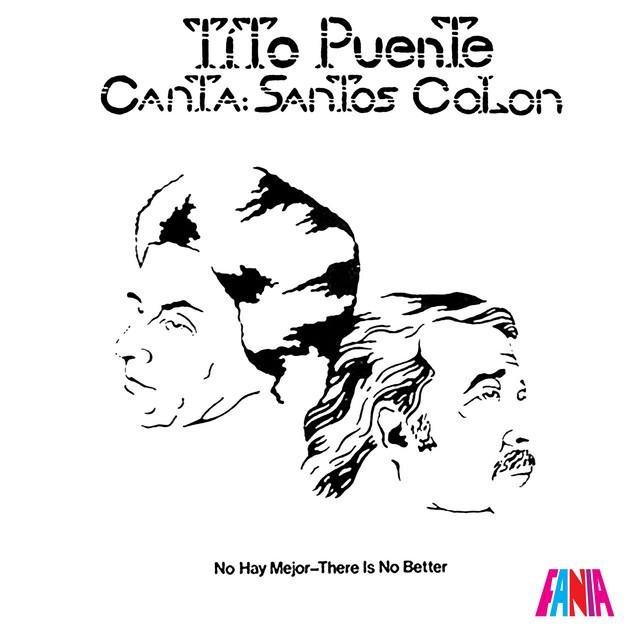
Why "Para Los Rumberos" Feels Like a Live Invitation
The meaning of Para Los Rumberos Tito Puente starts with something simple and powerful: this is a song that calls people in. Rather than telling a long story, it creates a scene. The bandleader voice gathers players, dancers, and listeners into one shared moment, as if the room is just beginning to heat up.
"Para Los Rumberos" - Tito Puente
Vamos Santana que la rumba ya va empezar
Vamos congero que la rumba ya va empezar
Loading lyrics...
Unable to load lyrics
We're unable to display the lyrics at this time. Please try again later.
Tito Puente is widely recognized as one of the key figures in Latin music, especially mambo, salsa, and Afro-Cuban jazz, a reputation documented by sources such as Encyclopaedia Britannica and the Latin Recording Academy. That context matters here. When they lead a song like this, they are not just singing about a party. They are presenting a musical tradition built on rhythm, respect, and community.
More a Ceremony Than a Story
At its core, the song is about the start of a rumba. The repeated call that the celebration is about to begin gives the track its whole structure. Short phrases like la rumba ya va empezar
and vamos rumbero
do not move the plot forward. Instead, they build anticipation.
That is why the song feels less like a narrative and more like a ritual opening. Each repeated line acts like another knock on the door, telling everyone in the space to get ready. Interpretation: the point is not what happens next in a literal sense; the point is the act of gathering itself.
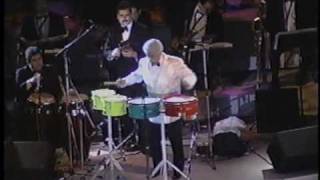
Watch the official Para Los Rumberos
music video
The Names Make It Personal
One of the most striking features of the lyric is how it calls out individuals. The song mentions figures such as Vamos Santana
, Vamos congero
, and Vamos Chepito
. Even without a detailed backstory for every name, the effect is clear: the song honors real participants in the musical moment.
This matters for the meaning of Para Los Rumberos Tito Puente because it turns a broad celebration into a personal one. The song is not addressed to an anonymous crowd alone. It salutes specific players and roles inside the Afro-Latin music world.
A Roll Call of the Rhythm Section
The references to a conga player and a timbalero are especially important. They point listeners toward the beating heart of the arrangement: percussion.
Vamos Timbero
que la rumba ya va empezar
That tiny exchange says a lot. It frames the song as a live cue, almost like a bandleader directing the room. Interpretation: the lyric suggests that the rumba does not exist without the people who physically make it happen.
Sound and Meaning Move Together
Musically, this kind of song depends on momentum more than lyrical complexity. Tito Puente was famous for electrifying percussion work, particularly on timbales, and for arranging dance music that felt both tight and explosive, as noted by the Smithsonian and NPR. In a song like this, that matters as much as any line.
The repeated phrases leave space for rhythm to do the emotional work. Congas and timbales are not background decoration here. They are the message. The pulse tells listeners that rumba is movement, and movement is community.
For U.S. listeners who may not speak Spanish fluently, that is one reason the track still connects. Even before the words are translated, the arrangement communicates invitation, warmth, and rising excitement.
Why Repetition Is the Whole Point
Some songs repeat because they ran out of ideas. This one repeats because repetition is the idea. Every return to la rumba ya va empezar
increases the feeling that something communal is about to burst open.
In dance music, repetition can serve the same role as a chant in a crowd. It unifies people. It gives them one phrase, one beat, and one direction. Here, the song turns language into a shared cue.
Interpretation: that makes the track feel almost instructional in the best sense. It teaches listeners how to enter the moment—by listening, responding, and joining the groove.
A Tribute Hidden in Plain Sight
The title itself points to dedication. “Para Los Rumberos” means it is for the rumba people, the players and lovers of this style. That framing gives the song a generous spirit. It is not about one star standing above everyone else. It is about honoring the culture around the music.
That fits Tito Puente’s larger legacy as a bandleader who stood at the center of ensemble music. Their career, covered by the National Endowment for the Arts and other reference sources, was built on collaboration as much as virtuosity. This song reflects that value by putting the spotlight on the collective event.
The Best Way to Hear It
The clearest way to hear the meaning of Para Los Rumberos Tito Puente is not as a hidden-code lyric puzzle. It is a musical welcome. The song says the rumba is starting, names the people who matter, and uses rhythm to make everyone feel included.
That is why the track endures. It captures a moment bigger than any one line: the instant before the room comes alive.
Disclaimer: This interpretation is based on the available lyrics, the song’s musical style, and Tito Puente’s broader artistic context. As with any song, listeners may hear additional meanings.







