Why TLC's "Waterfalls" Still Hits So Hard
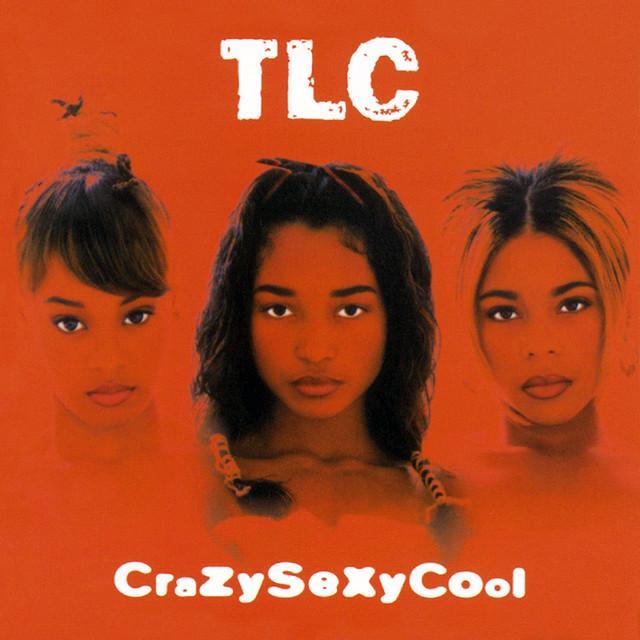
The meaning of Waterfalls TLC starts with a warning, but it never feels cold or preachy. Released as a single from CrazySexyCool in 1995, the song turned hard social realities into one of the smoothest hits of the decade. According to Billboard chart history, it spent seven weeks at No. 1 on the Hot 100, which says a lot about how widely its message connected.
"Waterfalls" - TLC
Staring at her son that she just can't touch
If at any time he's in a jam, she'll be by his side
Loading lyrics...
Unable to load lyrics
We're unable to display the lyrics at this time. Please try again later.
What makes it last is simple: TLC talk about danger in a human way. They do not lecture from above. They show people making risky choices, wanting more, and paying for it.
The Core Message Beneath the Hook
At its heart, the song is about chasing things that look exciting but carry serious consequences. The chorus uses water as a metaphor. A calm river or lake suggests stability, while a waterfall suggests risk, speed, and a loss of control.
When TLC sing don't go chasin' waterfalls
, they are not telling people to avoid ambition. They are warning against impulses that lead to harm. The next phrase, moving too fast
, sharpens that idea. The problem is not desire itself. It is reckless desire.
Interpretation: The song argues that people often mistake danger for freedom. They think they are choosing power, but they are really stepping into situations bigger than they can handle.

Watch the official Waterfalls
music video
Two Stories, One Big Warning
The verses make the message concrete through two short narratives.
In the first, a mother watches her son drift toward crime. The song frames the tragedy through her helplessness. He is physically close, but emotionally beyond reach. The line a lonely mother
matters because it turns a social issue into a family wound. This is not just about crime statistics. It is about the pain that ripples outward.
The son tries to make money in the only way he thinks will work, and the story ends in street violence. TLC do not glorify that life. They strip it of glamour and show the cost.
In the second story, desire takes a different form. A young man follows temptation and ignores the danger around sex, pleasure, and health. The phrase three letters
points to HIV/AIDS without needing to spell out the whole lesson. In 1995, that reference was especially powerful. Mainstream pop rarely addressed AIDS this directly, let alone in a No. 1 hit.
Together, the two verses show the same pattern: someone sees immediate reward and misses the long-term damage.
Why the Chorus Sounds So Gentle
One reason the song works so well is that the chorus is comforting, not harsh. TLC present the warning almost like care from a friend or family member. They know the listener may still choose badly. In fact, the line about having it one way or nothing suggests stubbornness and pride.
That emotional tone matters. T-Boz later said the group wanted to get the message across without sounding like they were preaching, a point reported in coverage of the song's background. That balance is exactly why the song reached so many people.
Please stick to the rivers
and the lakes
Even in this brief chorus fragment, the advice sounds calm and familiar. The imagery makes safety feel natural, not boring.
Left Eye's Verse Opens the Lens
Lisa "Left Eye" Lopes changes the song in the third verse. Instead of another mini-story, she zooms out and connects private pain to larger forces. She mentions storms, grayness, faith, addiction, violence, and the mind's ability to trap a person.
This verse matters because it keeps the song from becoming too simple. Bad choices are still choices, but the verse suggests that pain, hopelessness, and environment shape them. She also shifts from observation to appeal, ending with belief in personal change and shared responsibility.
Interpretation: Her verse says people are accountable, but they are not isolated. The system, trauma, and despair can push them toward the very "waterfalls" the chorus warns against.
How the Sound Carries the Meaning
Produced by Organized Noize, "Waterfalls" wraps heavy subject matter in warm, silky R&B. That contrast is part of its genius. The groove is relaxed, with soft drums, guitar, bass movement, and airy harmonies. Critics have long noted its gently insistent arrangement and memorable chorus.
That smoothness does two things:
- It makes a difficult message easier to hear.
- It mirrors temptation itself, because danger often arrives in attractive form.
The vocals deepen that effect. T-Boz's low, steady tone sounds grounded and knowing. Chilli's harmonies add lift and warmth. Left Eye's verse breaks the dreamlike flow with sharper rhythm and thought. The result is a song that feels beautiful while talking about broken lives.
The Video Made the Meaning Impossible to Miss
The music video, directed by F. Gary Gray, visualized both stories and became a huge part of the song's legacy. It won four MTV Video Music Awards in 1995, including Video of the Year. More importantly, it turned the song's warnings into unforgettable images of grief, loss, and preventable tragedy.
The video also reinforced TLC's social purpose. They were not just making a catchy single. They were putting issues like drug violence and AIDS in front of a mass audience. That helped make "Waterfalls" more than a hit; it became a cultural statement.
Why It Still Feels Current
The meaning of Waterfalls TLC still lands because the song is about patterns that have not disappeared. People still chase fast money, risky validation, unhealthy relationships, and the fantasy that consequences only happen to someone else.
At the same time, the song stays compassionate. It understands why people reach for dangerous things. That mix of empathy and warning is rare.
In the end, "Waterfalls" is a cautionary song, a social portrait, and a pop masterclass all at once. It asks listeners to slow down, see clearly, and value life over impulse.
Disclaimer: This article offers a good-faith interpretation based on the lyrics, documented song history, and public commentary. Like all art, the song can support more than one reading.








