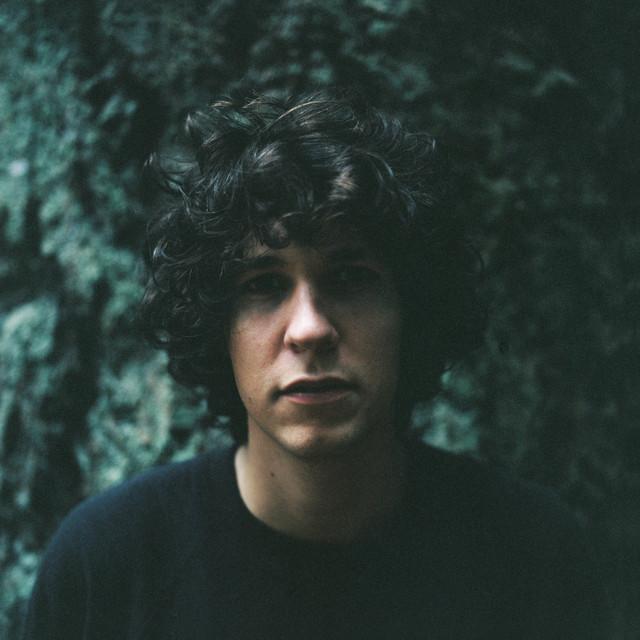
Why "Just A Dream" Feels So Devastating
The meaning of Just A Dream Tobias Jesso Jr. comes from a powerful contrast: a newborn child enters the world at the exact moment the singer imagines the world ending. That mix of wonder and fear gives the song its emotional punch.
"Just A Dream" - Tobias Jesso Jr.
Now she's one day old
And looks just like her old lady
Loading lyrics...
Unable to load lyrics
We're unable to display the lyrics at this time. Please try again later.
According to Pitchfork, Tobias Jesso Jr. wrote the song after waking from a dream during a painful stretch in his life, after a hit-and-run injury and his mother’s cancer diagnosis. The publication describes it as a lullaby about a father addressing a newborn in the shadow of apocalypse. That context matters, because the song does not sound like abstract poetry. It sounds like someone trying to protect love when life suddenly feels fragile.
A Lullaby Standing Next to Panic
At the most basic level, the song is about a parent trying to speak honestly to a baby. The opening image of a child who is only hours old immediately creates tenderness. But that tenderness is interrupted by fear when the narrator recalls a nightmare and tries to calm himself with just a dream
.
That phrase is simple, but it does a lot of work. On one level, it is self-soothing. On another, it sounds unsure, as if repeating it might make the fear go away. Interpretation: the refrain suggests that becoming responsible for a child makes ordinary anxiety feel huge. A bad dream is not only a dream anymore; it becomes a question about what kind of world this child will inherit.
Watch the official Just A Dream
music video
Who They Are Singing To
The song’s emotional center is not the nightmare. It is the relationship between the speaker, the baby, and the baby’s mother. The narrator admits they cannot make the world fully understandable. They cannot explain cruelty, and they cannot promise safety.
Instead, they offer the one truth they trust: love. When the lyric contrasts hate
with love
, it strips life down to its most basic moral choice. The song is not trying to give the child a lesson in politics or history. It is trying to pass along a moral compass.
That is why one of the sweetest moments is the baby’s smile. It gives the song a brief answer to all the confusion. The adult cannot solve the world, but the child’s reaction creates a tiny, human moment of grace.
The Story Unfolds in Three Moves
The narrative is easy to follow, which is part of why it hits so hard:
- A baby has just been born.
- The speaker remembers a terrifying dream of endless catastrophe.
- They imagine what they would say if time were running out.
That middle step changes everything. Without it, this would be a gentle family song. With it, the song becomes about the panic that often hides inside love. The more a person loves someone, the more they fear losing them.
A key line of thought arrives when the singer says they can't explain the world
. That confession is the heart of the piece. Many songs about parenthood promise wisdom. This one offers honesty instead.
And if I had just one more day
Here's all the things that I would say
To my baby
These lines frame the song like a last message. They make the lullaby feel urgent, almost like a farewell. Yet because the world has not actually ended, the scene stays suspended between nightmare and waking life.
Why the Plain Language Matters
One reason the song works is that Tobias Jesso Jr. avoids fancy writing. The words are direct, almost childlike at times. That choice fits the speaker’s emotional state. In a crisis, people usually do not become more eloquent; they become more basic, more honest, and more desperate to say what matters before time runs out.
This plain style also fits Jesso’s broader artistic identity. In a long Stereogum interview, he discussed writing intimate songs at the piano after returning to Vancouver and keeping arrangements sparse when possible. That minimal approach is all over this song.
How the Sound Carries the Meaning
The production and arrangement deepen the song’s message. Jesso’s early version of Just A Dream
circulated as a home demo, and that rough intimacy became part of its identity. Pitchfork and Music Business Worldwide both note how important that demo was to his rise.
Musically, the song leans on soft piano and an unguarded vocal style. There is very little between the listener and the speaker. That matters because a fuller arrangement could have turned the song into melodrama. Instead, the sparseness makes it feel like someone sitting at home, trying to put fear into words before it slips away.
Interpretation: the lullaby quality is crucial. A lullaby is supposed to calm a child, but here it also calms the adult singing it. The song becomes a ritual of reassurance for both parent and listener.
Why This Song Becaled a Turning Point
"Just A Dream" was not only meaningful inside the album Goon; it was meaningful for Jesso’s whole career. Pitchfork quotes him saying it was the first song that felt fully his, something he could sing as himself. Stereogum later noted that he even shared sheet music for the track after Goon was set for release in 2015.
Managers later said they were blown away by the demo, and that early reaction helped launch the chain of events that led to his debut, wider acclaim, and eventually major songwriting success. That history adds another layer to the song’s meaning: it is about vulnerability, and it also came from a moment when Jesso stopped chasing an image and started writing from the deepest part of himself.
The Lasting Meaning of "Just A Dream"
The lasting power of the meaning of Just A Dream Tobias Jesso Jr. is that it refuses easy comfort. The song does not say the world is safe. It says love still matters even when the world feels impossible to explain.
That is why it lingers. It turns parental love into a response to fear, not an escape from it. Interpretation: the real message may be that no one can protect a child from every truth, but they can still give them care, presence, and a reason to trust life.
Disclaimer: This interpretation mixes documented background with informed reading of the lyrics and sound. As with any song, listeners may hear meanings beyond those discussed here.
Sources
- https://pitchfork.com/features/rising/9528-tobias-jesso-jr
- https://www.stereogum.com/1729492/qa-tobias-jesso-jr-on-his-mythic-backstory-the-cheers-theme-and-his-debut-album-goon/interviews
- https://stereogum.com/1786776/tobias-jesso-jr-shares-just-a-dream-sheet-music/news
- https://www.musicbusinessworldwide.com/ben-persky-and-mason-klein-i-think-i-screamed








