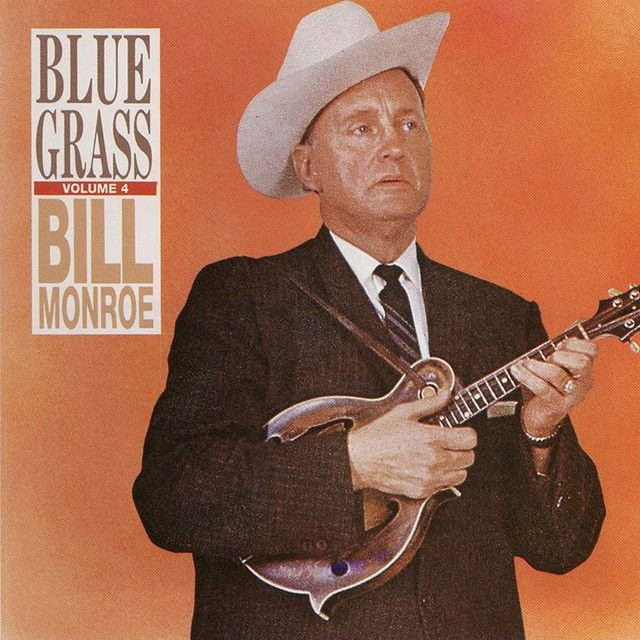
Why “Molly and Tenbrooks” Still Gallops
The meaning of Molly And Tenbrooks Tom T. Hall, Bill Monroe starts with a simple setup: a race between two horses. But the song lasts because it turns that race into folklore. It is not just about speed. It is about pride, local myth, risk, and the way old-time songs make winners and losers feel larger than life.
"Molly And Tenbrooks" - Tom T. Hall ft. Bill Monroe
Tenbrooks gonna beat you to the bright shinin' sun.
To the bright shinin' sun O Lord to the bright shinin' sun
Loading lyrics...
Unable to load lyrics
We're unable to display the lyrics at this time. Please try again later.
Bill Monroe, widely known as the “Father of Bluegrass,” helped carry this traditional racing ballad into modern country and bluegrass culture through his performances and recordings, as documented by the Bluegrass Hall of Fame. Tom T. Hall later recorded and interpreted songs from the same tradition, which helps explain why listeners connect both names to this story-driven classic.
A Horse Race Told Like a Legend
At the surface level, the song tells a dramatic contest between the mare Molly and the stallion Tenbrooks. The hook urges Molly to run, warning that Tenbrooks will beat her to the bright shinin' sun
. That image makes the race feel cosmic, as if the finish line sits somewhere beyond ordinary daylight.
The verses then build Tenbrooks into a near-mythic animal. He is not introduced as just a horse, but as a force of nature who once beat the Memphis train
. Whether a listener takes that literally does not matter much. The point is that the song uses exaggeration, a classic folk device, to make the race feel huge.
Interpretation: The song is really about how communities tell stories around competition. The details matter less than the bragging rights. Like many folk ballads, it is interested in reputation as much as fact.
Watch the official Molly And Tenbrooks
music video
The Story Moves From Boast to Tragedy
One reason the song stays memorable is its sharp turn in mood. Early on, it sounds almost playful, full of challenge and swagger. Then the lyrics bring in strain, illness, and death. When the singer describes Tenbrooks strainin' every nerve
, the race stops feeling fun and starts feeling dangerous.
That danger grows when Molly says the heat has put a fever in her head. The song gives both horses almost human speech and feeling. This is common in folk narrative: animals become characters with pride, fear, and fate.
By the end, the story turns grim. The final image of a coffin ready made
is startling because it pushes the race into mortality. This is no longer just sport. It becomes a tale about the price of pushing too far.
What the Chorus Really Means
The repeated call for Molly to run does two jobs at once. First, it gives the song momentum. Second, it builds suspense because the audience can hear the warning inside the encouragement.
Run O Molly run
Tenbrooks gonna beat you
to the bright shinin' sun
That short refrain sounds like support, but it also predicts defeat. The chorus therefore creates emotional tension: they cheer for motion while already sensing the outcome.
Interpretation: The chorus suggests that some races are really about destiny. The singer may call for effort, but the song hints that effort cannot always change the result.
Folk Memory, Kentucky Roots, and Bill Monroe
The song is strongly linked to Kentucky horse culture and to an older Southern ballad tradition. It draws on a real historical race story that circulated in oral tradition before becoming a standard in old-time and bluegrass circles. Monroe’s importance was not just writing songs; it was preserving and energizing this material within bluegrass performance, a role noted in his Encyclopaedia Britannica. Bill Monroe is also commonly credited as the songwriter on later releases, even though the song’s roots are older and traditional.
That matters to meaning. A ballad like this is supposed to sound inherited. It carries the feeling of front porches, racetracks, crowds, and regional memory. Tom T. Hall’s connection also makes sense because he excelled at plainspoken storytelling. Even when he sang other writers’ material, he brought out the narrative shape.
How the Sound Carries the Meaning
In bluegrass and country versions, the arrangement usually moves fast. Fiddle, mandolin, guitar, and banjo create forward motion that mirrors the race itself. The rhythm feels like hoofbeats, and the quick tempo makes each verse sound urgent.
Monroe’s style especially sharpens that effect. His mandolin attack is crisp and percussive, which adds tension. High, lonesome vocal delivery can also make the song feel both exciting and haunted. That matters because the lyric lives in two moods at once: thrill and dread.
The repetition also works like a crowd chant. It turns the song into public drama, not private confession. They are not hearing one person quietly reflect; they are hearing a whole community witness a contest.
Symbols Hidden in Plain Sight
Several images carry more weight than they first seem to.
- The sun suggests glory, finish, and fate.
- The train symbolizes modern speed and impossible competition.
- Heat and fever point to physical limits.
- The crowd shows how public spectacle shapes memory.
- Death imagery turns sport into legend.
Taken together, these motifs show why the song feels bigger than a racetrack story. It is about what happens when pride meets limits.
A Final Reading of the Song’s Meaning
So what is the meaning of Molly And Tenbrooks Tom T. Hall, Bill Monroe? At its core, it is a folk tale about competition pushed to the edge of myth. It celebrates strength and speed, but it also warns that victory stories often depend on someone else’s collapse.
Interpretation: Listeners can hear it as a sports ballad, a cautionary tale, or a portrait of Southern oral tradition at work. All three readings fit because the song is built from motion, exaggeration, and memory.
That mix is why it still works. They do not need every historical detail to feel the stakes. The song races forward, raises the legend, and leaves behind a hard truth: not every contest ends in glory for both sides.
Disclaimer: This interpretation is based on the lyrics, performance tradition, and available historical context. As with many folk-based songs, some meanings remain open to listener interpretation.







