
Why 'Make It Rain' Feels Like a Prayer
Tom Waits' “Make It Rain” sounds raw, bruised, and desperate from the first line. For many listeners, the meaning of Make It Rain Tom Waits comes down to heartbreak. That is part of it, but the song reaches further than a breakup story.
"Make It Rain" - Tom Waits
And my best friend
You know the story
Loading lyrics...
Unable to load lyrics
We're unable to display the lyrics at this time. Please try again later.
It turns private pain into something spiritual. The speaker is not only hurt by love; they seem to be asking for cleansing, mercy, and release. In classic Waits fashion, the song lives in a muddy place where romance, sin, shame, and salvation all blur together.
The Core Meaning Hiding Inside the Storm
At the most direct level, the song follows a person wrecked by betrayal. The opening sets up loss in blunt terms, and the speaker quickly admits they feel stripped of dignity. When they cry make it rain
, they are not asking for weather. They are begging for some force big enough to wash away pain.
Interpretation: rain works as a symbol of cleansing. It suggests tears, grace, and even punishment at once. The speaker wants relief, but they may also feel they deserve to suffer before relief can come.
That mix is what gives the song its power. They are heartbroken, yet the language keeps reaching upward, as if human comfort is no longer enough.
Watch the official Make It Rain
music video
A Broken Narrator With a Biblical Shadow
The song is sung in the first person, but the emotional frame feels larger than one person. The speaker sounds like someone crushed by abandonment and by their own self-judgment. One of the most telling phrases is I'm just Cain
, which brings in the Bible's marked and guilty outcast.
That image matters. By rejecting innocence and identifying with Cain instead of Abel, the speaker suggests they do not see themselves as pure victim. Whether they actually caused the collapse or just feel stained by it, they carry guilt as heavily as grief.
Later, they say they are crushed at the gate
. That image points toward heaven, exclusion, and spiritual failure. This is not just a lonely person in a room. This is someone who feels shut out from peace itself.
How the Story Moves From Loss to Plea
The song unfolds in a few clear emotional steps:
- A relationship falls apart through betrayal or abandonment.
- The speaker sinks into humiliation and loneliness.
- Their pain becomes spiritual and cosmic, not just romantic.
- The repeated plea for rain becomes a cry for renewal.
One of the strongest transitions comes when the song shifts from heartbreak to a damaged worldview. The speaker wants to believe in mercy again. That matters because the loss has not only changed their love life; it has cracked their faith in the world.
The night's too quiet
Open up the heavens
These short lines show the movement from silence to appeal. The empty night becomes the setting for a direct call to something higher.
Why Rain Is the Song's Master Symbol
Rain does several jobs at once in this song, which is why the image stays memorable.
Rain as cleansing
The most common reading is purification. The speaker feels covered in pain and shame, and rain can wash both away.
Rain as emotional release
The title phrase also suggests tears finally arriving. The speaker is so overwhelmed that ordinary crying no longer seems enough; they need the sky itself to break.
Rain as divine response
Because the song mentions heaven and biblical figures, rain can also mean grace from above. It is a request for proof that mercy still exists.
This layered symbol is a big part of the meaning of Make It Rain Tom Waits. Waits and Kathleen Brennan, who co-wrote the song, often use rough, physical images to express spiritual hunger. According to the song credits on AllMusic, Brennan and Waits are the writers, and that partnership often produces songs that feel both theatrical and deeply human.
Sound and Production: Why It Hurts So Much
The arrangement is crucial to the song's meaning. “Make It Rain” is built like a slow emotional grind rather than a polished rock anthem. The drums land heavily, the guitars feel storm-dark, and Waits' voice sounds scraped raw.
That matters because the performance keeps the song from feeling neat or symbolic in an academic way. The music makes the plea physical. Listeners can hear strain in every repetition, as if the words are being forced out of someone at the end of their rope.
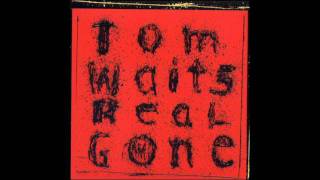
Released on the 2004 album Real Gone, the track came from a period when Waits leaned hard into clattering rhythms, distorted textures, and body-level percussion. That rough sound fits the lyric perfectly. This is not a clean prayer in a church. It is a desperate prayer in the dirt.
Alternate Readings That Also Fit
There is more than one reasonable way to hear this song.
Interpretation 1: A breakup song expanded into myth. In this reading, everything starts with romantic betrayal. The biblical language simply magnifies how ruined the speaker feels.
Interpretation 2: A confession song. Because the speaker identifies with Cain and seems burdened by fate, the song may also be about guilt and self-recognition. The lost lover becomes the spark that exposes an older wound.
Interpretation 3: A spiritual crisis. The repeated request for rain can be heard as a plea to God after faith has gone dry. Love is the trigger, but the real subject is the loss of mercy.
The beauty of the song is that all three readings can live together.
Why the Song Still Lands
“Make It Rain” lasts because it treats heartbreak as more than a private event. It shows how loss can damage identity, faith, and even a person's sense of the world. The speaker is not merely sad. They are emptied out and asking to be remade.
That is the deepest meaning of Make It Rain Tom Waits: suffering so intense that it turns into prayer. The song does not promise healing. It only gives listeners the sound of someone begging for it, and that honesty is what makes it unforgettable.
Disclaimer: This interpretation is based on the song's lyrics, recording, and publicly available artist context. Like many Tom Waits songs, it remains open to more than one reading.







