
John Barleycorn by Traffic
The meaning of John Barleycorn Traffic starts with a very old idea: a crop is treated like a person so its life, death, and return feel dramatic and human. Traffic did not invent that story, but they gave it one of its most famous modern recordings on John Barleycorn Must Die in 1970. Their version turns a traditional ballad into something eerie, earthy, and reflective rather than merely historical.
"John Barleycorn" - Traffic
Their fortunes for to try,
And these three men made a solemn vow
Loading lyrics...
Unable to load lyrics
We're unable to display the lyrics at this time. Please try again later.
An Old Folk Tale in Rock Clothing
Factually, "John Barleycorn" is a traditional British folk song, recorded in many forms long before Traffic. Traffic’s album John Barleycorn Must Die was released in 1970, with Steve Winwood, Jim Capaldi, and Chris Wood at the core of the band’s lineup at the time. Their recording helped bring the song to rock audiences while keeping its folk roots intact.
What matters for meaning is the song’s central device: barley becomes a man named John Barleycorn. The lyrics describe a group of men who swear that John Barleycorn must die
. On the surface, that sounds like murder. In plain terms, though, it maps onto farming: planting grain, cutting it down, threshing it, and grinding it.
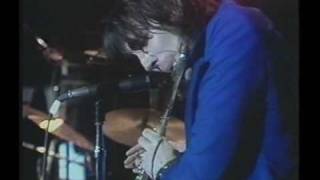
Watch the official John Barleycorn
music video
What the Song Is Really Saying
At its core, the song is about transformation through violence. The barley has to be buried, cut, pierced, broken, and crushed before it becomes useful to people. The lyric about him being dead
is really the start of a cycle, not the end.
Interpretation: Traffic’s version suggests that human survival often depends on turning nature into food and drink, but it does not present that process as neat or innocent. Instead, it sounds ritualistic and grim. That tension is the point.
The middle of the song makes this clear. Barley is planted and left in the ground, then rises again when the rains come. A short phrase like sprung up his head
turns germination into resurrection. Later, the image of a long, long beard
gives the crop a human body as it matures in the field.
The Story Moves Like a Harvest Calendar
The narrative follows the agricultural year in order:
- Men vow to kill John Barleycorn.
- He is buried in the ground like seed.
- Rain falls, and he rises again.
- He grows to maturity.
- Workers cut, bind, carry, and process him.
- He returns as drink and proves powerful.
That structure matters because the song never treats death as final. Every act of destruction is also one stage in conversion. The men think they have won, but by the end Barleycorn has taken a stronger form.
Why the Ending Changes Everything
The final verses explain why this old folk ballad still lands. Once barley becomes alcohol, John Barleycorn is no longer a victim. He becomes a force. The line about the strongest man at last
flips the whole story.
In simple terms, the crop that people cut down ends up affecting the people who drink it. The song even shows workers and everyday figures relying on a little Barleycorn
. What began as agricultural labor ends as social habit, pleasure, and dependence.
Interpretation: This is where the song can be read as both celebration and warning. Alcohol warms, loosens, and comforts, but it also gains power over those who use it. The lyrics do not moralize in a modern, direct way. They just show the irony: humans destroy barley, then barley masters humans.
How Traffic’s Sound Deepens the Meaning
Traffic’s arrangement is a big reason the song feels so memorable. Their version is built around acoustic instruments, soft percussion, and a spacious, almost ancient mood. Steve Winwood’s vocal avoids melodrama. He sings the story with restraint, which makes the violence feel more fated than shocking.
That matters because a loud, flashy arrangement could have turned the song into a novelty. Traffic instead make it feel like oral tradition carried into modern rock. The blend of folk textures and rock-era atmosphere mirrors the lyric’s own mix of old ritual and living relevance.
Interpretation: The calm sound also supports the song’s deeper idea that cycles of death and rebirth are natural, repeated, and older than any one person. The music does not rush. It moves like a season.
Artist Context Helps Explain the Appeal
Traffic often blended rock, folk, jazz, and psychedelic elements, and this song fits that broad style. Around 1970, many British rock artists were revisiting older folk material, but Traffic’s take stood out because it felt intimate rather than academic. They were not just preserving an artifact; they were inhabiting it.
For American listeners, that helps explain the song’s lasting pull. Even if they do not know the old ballad tradition, they can hear a universal story in it: people depend on the land, they reshape it through labor, and what they produce can come back with emotional or physical power.
Two Strong Readings of the Song
Reading One: A Harvest Myth
This is the most direct reading. John Barleycorn represents barley from seed to drink. The song dramatizes farming as sacrifice, then rebirth.
Reading Two: A Song About Alcohol’s Grip
A second reading focuses on the ending. Once Barleycorn becomes drink, he influences human behavior and daily life. The song can be heard as an old warning about intoxication hiding inside a harvest tale.
Both readings fit, and Traffic’s performance leaves room for each.
Why the Meaning Still Works Today
The meaning of John Barleycorn Traffic lasts because it turns ordinary agriculture into myth without losing its realism. It is about crops, but also about mortality, renewal, and the strange bargain between people and the substances they make.
Traffic’s version gives that old idea warmth and unease at the same time. They make the listener hear not just a folk story, but a cycle: what is buried rises, what is broken transforms, and what humans think they control may end up controlling them.
Disclaimer: This interpretation separates documented context from critical reading. Because "John Barleycorn" is a traditional song, some meanings remain open to listener interpretation.








