Why 'Ugly' by $uicideboy$ Feels So Hollow
The meaning of Ugly $uicideboy$ starts with a hard contradiction: the song sounds fearless, but its world is full of decay, panic, and emptiness. They deliver threats, drug references, and dark boasts with total force, yet the track keeps circling back to one bleak idea: if life feels broken, self-destruction can start to look normal.
"Ugly" - $uicideboy$
Bravehearts, Bravehearts
Life's a bitch and then you die
Loading lyrics...
Unable to load lyrics
We're unable to display the lyrics at this time. Please try again later.
That is what gives “Ugly” its bite. It is not just a horror-rap performance. It is a snapshot of a mindset where getting numb feels easier than getting better.
The Hook Turns Despair Into a Lifestyle
The chorus is the clearest key to the song. When they repeat life's a bitch
and then answer it with that's why we get high
, they reduce the whole emotional logic of the track to one line of thinking. Life hurts, death is coming, so intoxication becomes the shortcut response.
That refrain matters because it is simple enough to sound like a slogan. In Interpretation, that is exactly the point: the hook shows how despair can become routine. Instead of sounding like a cry for help, it arrives like a deadened rule they have already accepted.
The repeated opening and closing chants of Bravehearts
add another layer. The word suggests toughness and courage, but the song itself keeps exposing instability. That makes the chant feel partly ironic. They are calling themselves brave while describing a life ruled by fear, addiction, and violent fantasy.

Watch the official Ugly
music video
The Verses Build a World of Numbness
Once the hook sets the theme, the verses fill in the details. They rap as if introductions no longer matter, as if their reputation already speaks for them. That attitude creates a feeling of emotional burnout before the story even starts.
From there, the imagery comes fast: smoke, police pressure, knives, blood, cars, and bodies moving through a haze. None of it feels calm or glamorous. Even when they boast, the boasts sound contaminated. Their identity is tied to danger, and danger has become ordinary.
One of the sharpest moments comes when a voice admits the codeine turned me
into someone worse. That line gives the song one of its clearest confessions. Beneath the swagger, they know chemical escape has changed them.
Another key phrase is riding in a nightmare
. That image captures the whole track. They are still moving, still talking, still posturing, but the motion is not freedom. It feels trapped, like they are speeding forward inside a bad dream they cannot wake from.
Violence as Image, Not Solution
“Ugly” is packed with violent language, but the violence does not solve anything. It functions more like atmosphere. Weapons, blood, and threats make the world feel unstable and always one step from collapse.
In Interpretation, this is why the song lands as more tragic than triumphant. The violent imagery is not building toward victory. It is showing what happens when inner chaos spills outward. Their language sounds huge, but the emotional core is small and wounded.
That also explains why the track feels so tense. The characters in the song are not in control of their world. They are reacting to it, defending themselves from it, and feeding it at the same time.
How the Sound Supports the Meaning
A big part of the meaning of Ugly $uicideboy$ comes from its production style. $uicideboy$ built much of their early reputation on murky beats, horror-core textures, Southern rap influence, and lo-fi heaviness, a style widely noted in coverage of the duo and their catalog by sources like AllMusic and Genius artist pages.
That sonic frame matters here. The beat feels repetitive and oppressive, which matches the lyrics' trapped psychology. The chant-like hook hammers the song’s fatalism into place, while the verses come in with a compressed, almost claustrophobic intensity.
Their vocal delivery also helps. They do not sound reflective in a soft way. They sound cornered, hostile, and overstimulated. That makes the listener feel the difference between confidence and collapse. The performance says power; the texture says damage.
Artist Context Makes the Song Hit Harder
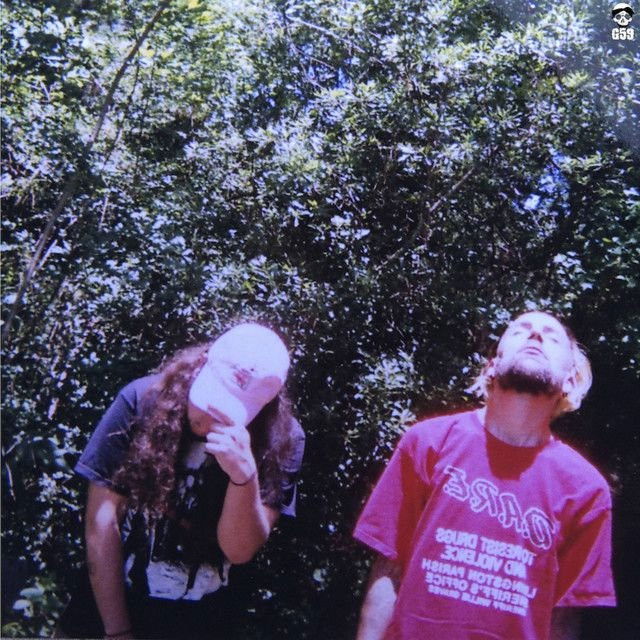
$uicideboy$—the New Orleans duo made up of Ruby da Cherry and $crim—became known for turning depression, addiction, and nihilism into a raw underground rap language, as documented by outlets such as Billboard and NME. That context matters when reading “Ugly.”
Factually, the song is credited here to Aristos Petrou and Scott Arcenaux, the artists better known as Ruby da Cherry and $crim. Even without a direct artist quote about this exact track, their larger body of work often returns to mental strain, substance abuse, and self-erasure.
Because of that, “Ugly” fits a familiar pattern in their catalog. They often present ugly thoughts without cleaning them up. The value is not in moral clarity. It is in how honestly they capture a self-destructive mental loop.
Two Strong Readings of the Song
There are at least two useful ways to hear the song:
- Interpretation: A portrait of addiction. The repeated logic of pain leading to intoxication makes the track sound like a direct account of dependency.
- Interpretation: A performance of emotional armor. The threats and boasts may be less about dominance than defense, a way to hide fear under aggression.
Both readings can be true at once. That tension is part of what makes the song memorable.
Why “Ugly” Still Connects
“Ugly” resonates because it does not pretend self-destruction is poetic or noble. It sounds ugly on purpose. The song turns despair into repetition, then shows how easily repetition can become identity.
That is the lasting meaning of Ugly $uicideboy$: they are not simply describing a dark lifestyle. They are showing how a person can get stuck inside one, until numbness feels like the only available form of relief.
Disclaimer: This interpretation is based on the song’s lyrics, performance, and known artist context. As with most music, meaning can vary from listener to listener.








