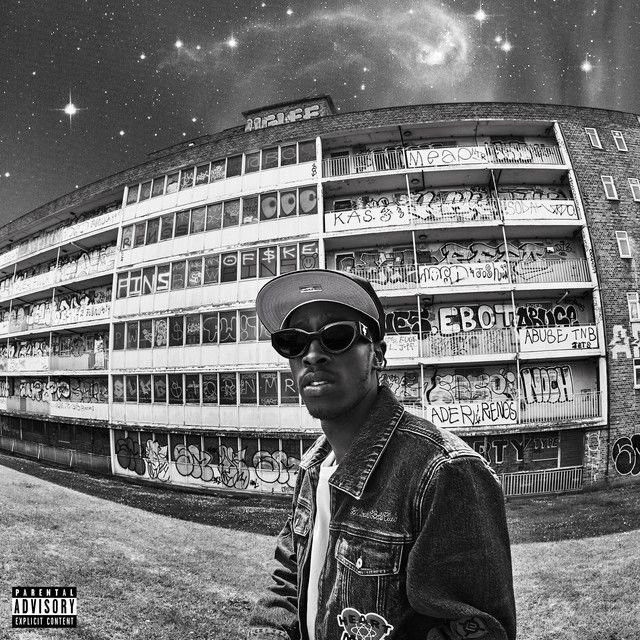
Why 'Deh Deh' Feels Like a War Loop
Unknown T’s “Deh Deh” is not subtle, and that is the point. For listeners searching for the meaning of Deh Deh Unknown T, the song works as a portrait of life lived in permanent motion: circling blocks, watching enemies, protecting status, and turning fear into performance. It is a drill track that sounds like it never fully comes to rest.
"Deh Deh" - Unknown T
Rise up the ting and baow, deh deh
Let's ding right round
Loading lyrics...
Unable to load lyrics
We're unable to display the lyrics at this time. Please try again later.
Unknown T, born Daniel Brokie Lena, broke out from Homerton in East London and became one of UK drill’s most recognizable voices after “Homerton B” and later projects like Rise Above Hate (2020), the mixtape that includes “Deh Deh” (Wikipedia). That context matters because “Deh Deh” fits the lane that made him famous: clipped threats, coded slang, and a cool, almost detached delivery.
The Core Idea Hiding in Plain Sight
At its heart, “Deh Deh” is about constant readiness. The song keeps returning to motion and impact, especially in phrases like circle around
and we crash on peds
. Paraphrased, the narrator describes a world where action comes first and reflection barely has room to enter.
Interpretation: the track is less about one specific incident than a repeated state of mind. It presents the streets as a loop of patrol, revenge, and defense. The title phrase and the hook’s gunshot-like wording make the song feel mechanical, almost ritualized.
That repeated energy turns violence into routine. When the lyrics mention being able to bust that down
, the song links street income to the same mindset as conflict. Money, movement, and danger all sit in one system.
Watch the official Deh Deh
music video
A Voice Built on Control, Not Panic
One striking thing about Unknown T is how calm they sound while describing chaos. That has long been part of their appeal in UK drill. Their breakout single “Homerton B” helped define that composed, deadpan style and even became the first UK drill song certified Silver by the BPI, according to the artist’s career summary (Wikipedia).
In “Deh Deh,” that same control matters to the meaning. The narrator does not sound shocked by danger; they sound practiced. Even when the song mentions stress during a ride, the tone stays measured.
On my block, there's a team meeting
Tell my young boy, “Circle around”
This short moment is important because it frames violence as organized, almost administrative. They are not describing random rage. They are describing planning, hierarchy, and group discipline.
How the Verses Expand the Threat
The verses build a full environment around the hook. Several details repeat:
- movement through streets and rival areas
- loyalty to a crew
- distrust of enemies and informers
- police pressure and legal cost
- status gained through money and reputation
When the lyrics warn against acting friendly with rivals, the message is simple: in this world, mixed loyalties can get someone hurt. The song’s social code is rigid. Trust is scarce, and the penalties for getting it wrong are high.
Another important line of thought involves consequence. The song mentions friends being locked up and weapons being seized. Those details matter because they keep “Deh Deh” from being pure fantasy. Interpretation: Unknown T uses boastful drill language, but they also hint at attrition. The team is losing people, money, and freedom.
That fits with a brief comment Unknown T gave The Guardian about drill criticism: They don't understand the reality
(The Guardian). While that quote is broader than this song, it helps explain the frame. “Deh Deh” sounds like someone documenting a mindset shaped by real pressure, not inventing one for effect.
Sound Design That Keeps the Song Tense
Production is crucial to the meaning of Deh Deh Unknown T. The beat uses classic UK drill cues: sliding low-end bass, sharp percussion, and lots of empty space. That emptiness is not accidental. It gives every threat more room to land.
The producer tag, 800 Hertz
, also sets the tone. It signals a cold, engineered environment before the verse even starts. The instrumental feels circular, matching the repeated command to move, double back, and patrol. Instead of sounding emotional, the beat sounds tactical.
Unknown T’s flow adds another layer. They often place words in short bursts, then leave a gap. Those pauses create suspense, like a lookout checking corners. Interpretation: the rhythm mirrors surveillance. The song does not just tell listeners about danger; it structures danger into the music.
Bravado, Status, and the Cost of Winning
Like many drill songs, “Deh Deh” mixes threat with status. The narrator points to money, women, and reputation as signs of success. But those bragging moments are unstable. They sit beside references to raids, jail, and losses.
That tension is one reason the song sticks. It is not simply saying power feels good. It is saying power has to be constantly performed and defended. Even flexing becomes part of warfare.
There is also a generational element. The lyrics refer to younger members being directed by older ones. Interpretation: that makes the song feel like a chain, where behaviors and codes get passed down instead of questioned. The cycle continues because everyone inside it learns the same route.
So What Does “Deh Deh” Really Mean?
The best way to read the song is as a loop of intimidation, survival, and identity. “Deh Deh” turns patrol patterns, retaliation, and group loyalty into a soundscape. It is aggressive on the surface, but underneath it reveals a life where nobody fully relaxes.
That is why the hook matters so much. Each return to circle around
suggests there is no true exit, only another pass through the same pressure.
For American listeners new to UK drill, “Deh Deh” is a strong example of how the genre uses local slang, sparse production, and repetition to build meaning. It is not just about shock value. It is about showing how conflict can become routine.
Disclaimer: This article offers interpretation based on the recorded lyrics, performance, and publicly available artist context. Song meaning can remain open, and listeners may hear different emphases in the track.







