Why Venom's "Countess Bathory" Still Bites
The meaning of Countess Bathory Venom starts with shock, but it does not end there. On the surface, Venom tell a grisly tale about the infamous “Blood Countess,” Elizabeth Báthory. Under that horror story, though, the song becomes a warning about power without conscience, beauty chased through violence, and time that cannot be beaten.
"Countess Bathory" - Venom
In the castle known to all - the Count's infernal wife
She invites the peasants with endless lavish foods
Loading lyrics...
Unable to load lyrics
We're unable to display the lyrics at this time. Please try again later.
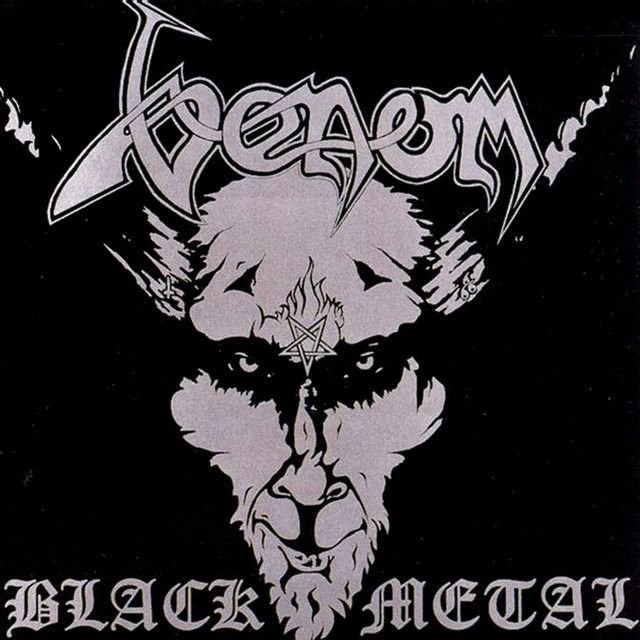
The track appeared on Black Metal in 1982, the same album that helped define Venom’s extreme style and gave a name to a whole subgenre, even if the band’s sound also crossed into speed and thrash metal territory. According to widely cited song data, it was recorded in 1982, runs 3:44, and was credited to Conrad “Cronos” Lant, Jeffrey “Mantas” Dunn, and Tony “Abaddon” Bray, with production by Keith Nichol and the band itself.
A Horror Story With a Clear Target
At the lyric level, the song follows a simple arc. A noblewoman welcomes young women into her castle with luxury and safety, then turns that promise into murder. Venom present her as a predator hiding behind status, not as a tragic antihero.
That setup matters. The image of "virgins fair"
and rich feasting is there to show a trap. The castle looks refined, but its glamour is fake. The song uses class contrast too: peasants and servants enter the world of a countess, and that gap in power makes the violence feel even colder.

Watch the official Countess Bathory
music video
The Legend Behind the Lyrics
The subject is Elizabeth Báthory, a Hungarian noblewoman tied to stories of torture and murder in the late 16th and early 17th centuries. Popular legend says she believed bathing in blood could preserve youth. Modern historians have debated how much of the most extreme version is fact and how much is myth, but Venom clearly choose the lurid folk-horror version because it fits their theatrical style.
They focus less on biography than on symbolism. The song turns Báthory into a figure of decayed aristocracy: rich, feared, and obsessed with staying young. When the lyric points toward "midnight bath"
, it is not just describing gore. It is showing a person trying to buy beauty with other people’s lives.
How the Song Builds Its Meaning
The verses move in three sharp stages:
- Seduction: the victims are welcomed with food, comfort, and false safety.
- Consumption: nighttime reveals the violence underneath the feast.
- Collapse: the Countess ages anyway, and death closes in.
That final turn is the key to the song. Venom do not leave Bathory powerful forever. They underline that she cannot stop time. Phrases like "crack and peel"
and "no blood to turn time back"
strip away the myth of control.
"crippled now with age"
"welcomes death with open arms"
That brief ending makes the song more than a splatter tale. It becomes poetic justice. After all the cruelty, the same body she tried to preserve still fails her.
Why the Chorus Hits So Hard
The chorus is only her name: "Countess Bathory"
. That repetition works like a chant, accusation, and headline all at once. Instead of explaining her psychology in detail, Venom let the name carry the weight of infamy.
Interpretation: this hook turns Bathory into a symbol, not just a character. She stands for what happens when privilege, vanity, and violence fuse together. The repeated name also gives the song a ritual feel, as if listeners are hearing a cursed legend retold around a fire.
The Sound Makes the Story Feel Faster and Meaner
A big part of the meaning of Countess Bathory Venom comes from the music. Black Metal was recorded quickly, and the band’s rough production gives the song a raw edge rather than polished horror-movie elegance. That matters because Bathory’s world is not presented as glamorous for long; it is frantic, ugly, and unstable.
The riffing is sharp and catchy, but it never sounds safe. The drums drive the track forward with a near-pursuit energy, while Cronos’s vocal sounds like a barked warning more than a dramatic monologue. Instead of inviting sympathy, the performance pushes disgust and urgency.
There is also an important contrast in style. A slower gothic arrangement might have romanticized the Countess. Venom avoid that trap. Their speed-metal attack makes the violence feel immediate, and the roughness keeps the song closer to a nightmare than a costume drama.
Venom's Style and the Song's Legacy
Venom built their name on satanic imagery, shock value, and extreme intensity, but songs like this show they were also good storytellers. "Countess Bathory" is often regarded as one of the band’s classics, and it became influential enough to inspire later artists; notably, Jonas Åkerlund said it helped inspire the name of the Swedish band Bathory.
That legacy makes sense. The song captures a lot of what early extreme metal does well: it takes taboo material, strips it to vivid images, and delivers it with conviction. It is not subtle, but it is focused.
A Final Reading of the Song's Message
Interpretation: the deepest meaning may be that evil is self-defeating. Bathory feeds on others to escape age and death, yet the final verse shows both waiting for her anyway. The blood myth promises renewal, but the song ends in decay.
That is why the track still lands. It is not just about a notorious noblewoman. It is about the delusion that power can cancel mortality.
In that sense, Venom tell a very old story in a very loud way: those who try to live forever through destruction only prove how temporary they really are.
Disclaimer: This interpretation is based on the lyrics, the band’s known context, and the song’s historical references. As with many songs, some meanings remain open to listener interpretation.







